











All about whales in the Dominican Republic
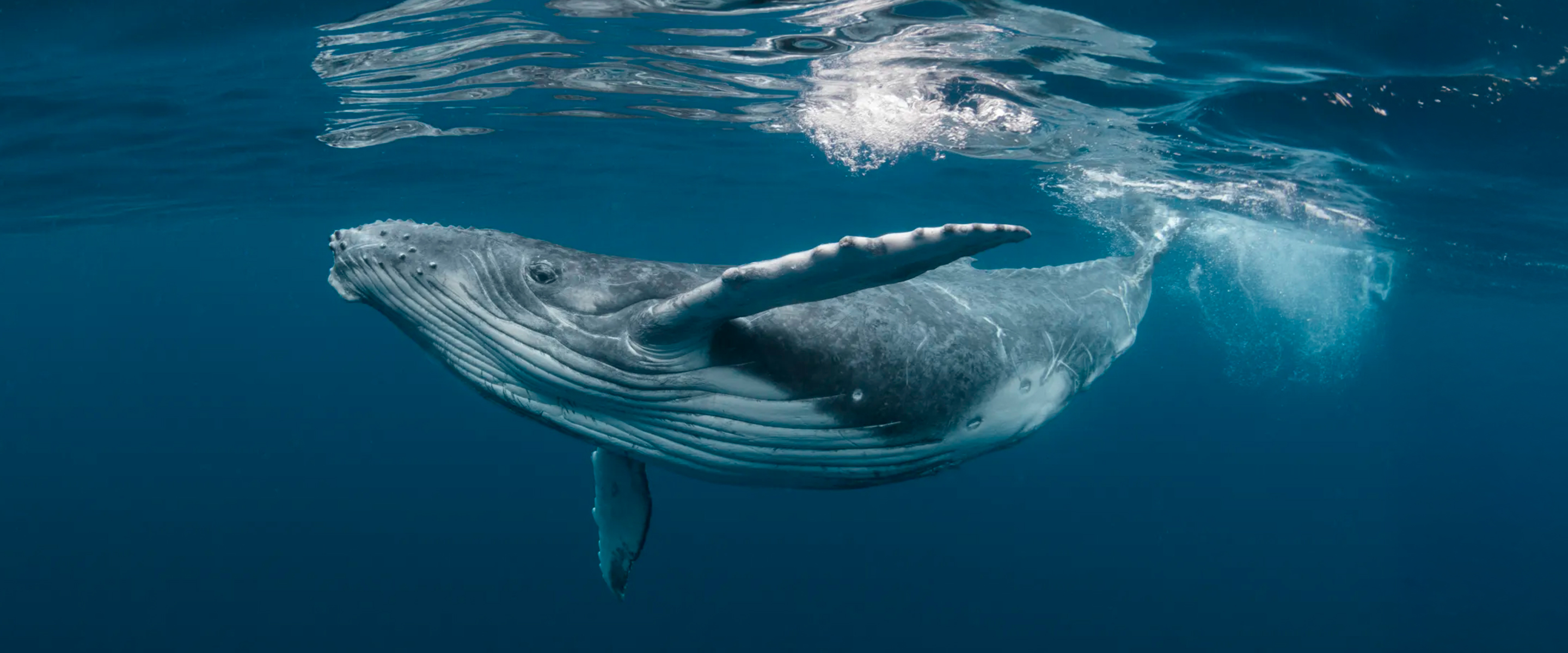
What do you know about whales in Punta Cana?
- Why do whales come to the Dominican Republic?
- The best whale-watching season in the Dominican Republic
- Where to see whales in the Dominican Republic
- Whale-watching excursion from Princess Hotels in Punta Cana
- Fun facts about humpback whales
When we think of the Dominican Republic what comes to mind is sun, the white sands of Punta Cana, and the crystal-clear waters of the Caribbean.
However, there is a huge secret that visits our shores every year and transforms the country into the setting for one of the most breathtaking natural spectacles in the Caribbean, and indeed the world: the arrival of the humpback whales.
If you’re planning your next getaway to our hotels in Punta Cana during the winter months, get ready to discover a side of the Dominican Republic that will take your breath away.
Here’s everything you need to know.
Why do whales come to the Dominican Republic?
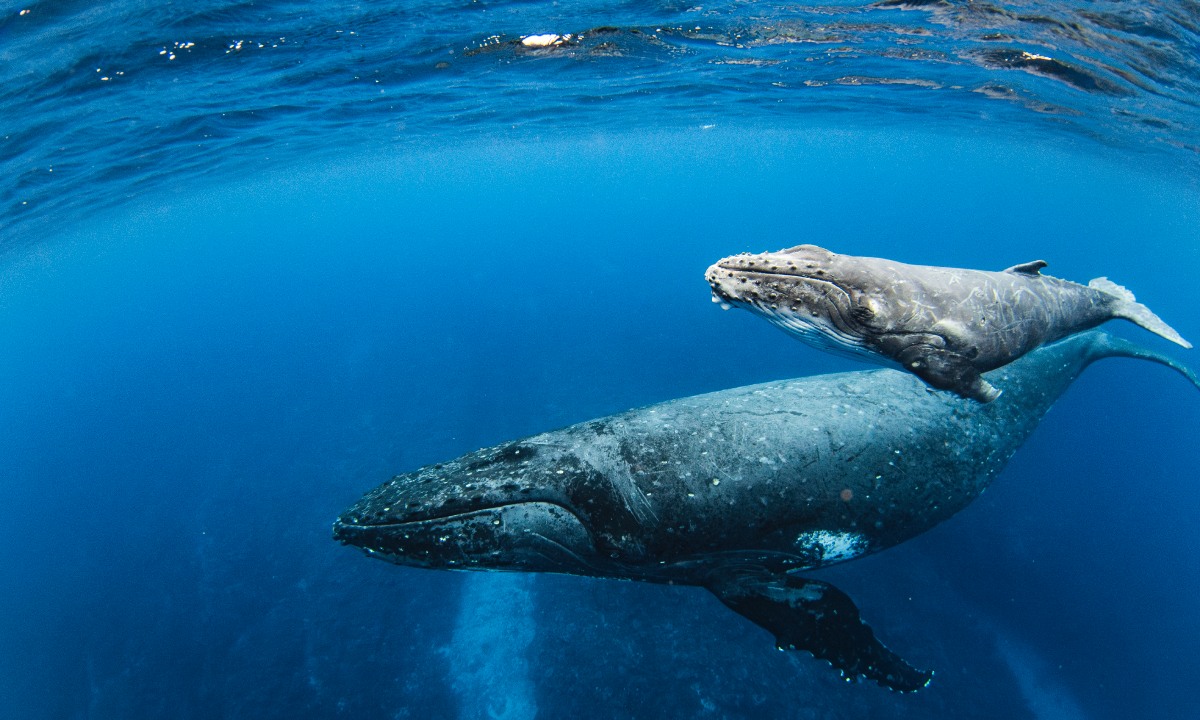
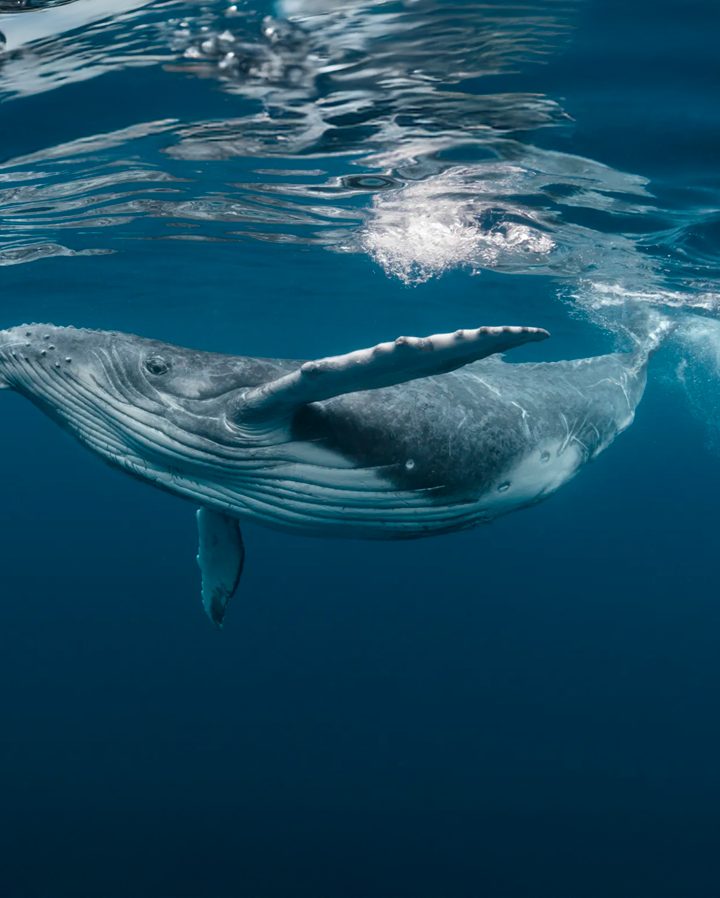
Humpback whales (also known as yubartas) are great travellers.
During the summer months they live in the cold waters of the North Atlantic (near Iceland, Canada, or Nova Scotia), where they feed intensively to build up their fat reserves.
And why do they undertake a journey of thousands of kilometres to the Caribbean? … The answer is love and life.
When winter sets in in the northern hemisphere these majestic creatures begin their migration towards warmer, calmer tropical waters, such as those of the Dominican Republic.
The main reason is for mating and calving.
The warm waters of the Dominican Marine Mammal Sanctuary act as a perfect ‘nursery’, as calves are born without the layer of blubber needed to withstand the cold of the north, and the Caribbean offers them a safe, calm environment during their first few weeks of life.
The best whale-watching season in the Dominican Republic
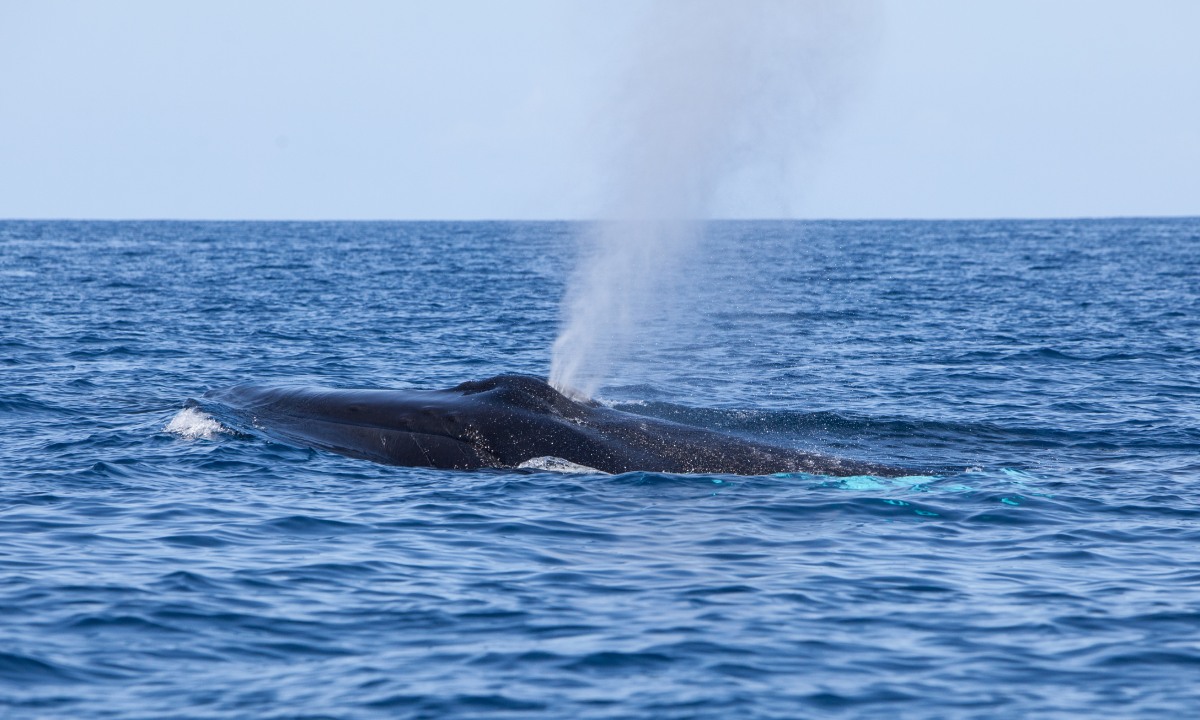
This is one of the most frequently asked questions amongst our travellers, and the answer is key to planning your trip.
The official whale-watching season in the Dominican Republic runs from mid-January to the end of March (although the occasional early sighting may occur in December, or a late one in early April).
The peak whale-watching period is usually in February and March.
If you want to be sure of witnessing this wonderful natural spectacle, we recommend you book your stay at Princess Hotels Punta Cana during these dates.
Where to see whales in the Dominican Republic
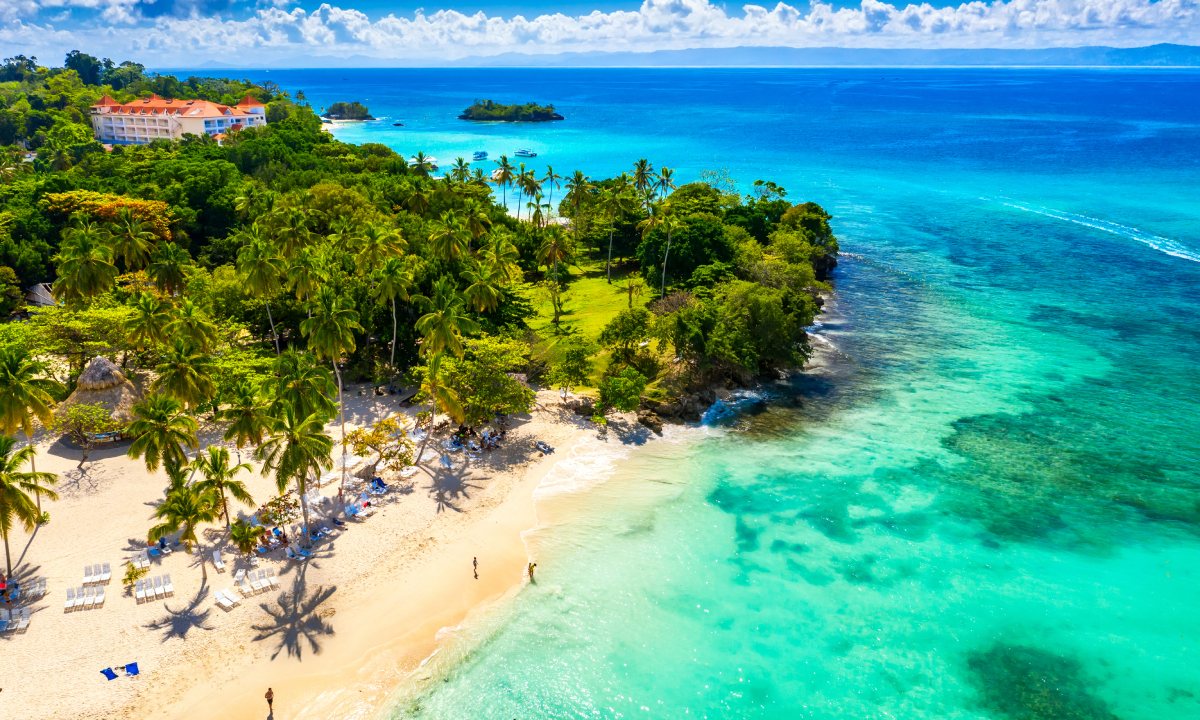
Although whales migrate through various parts of the Caribbean, the absolute epicentre, and best place to spot them, is Samaná Bay and its surroundings.
Specifically, whale-watching takes place in the Marine Mammal Sanctuary of Banco de la Plata and Banco de la Navidad, situated off the coast of the Samaná Peninsula. This protected area is the most important gathering place for humpback whales in the entire western Atlantic.
Can they be seen elsewhere?
Although it is possible to spot the occasional whale passing by the coasts of La Romana or Bayahibe, Samaná is undoubtedly the number one destination and the only place where an organised, safe experience is guaranteed, with a high probability of seeing these giants in their natural habitat.
A whale-watching trip from Princess Hotels in Punta Cana
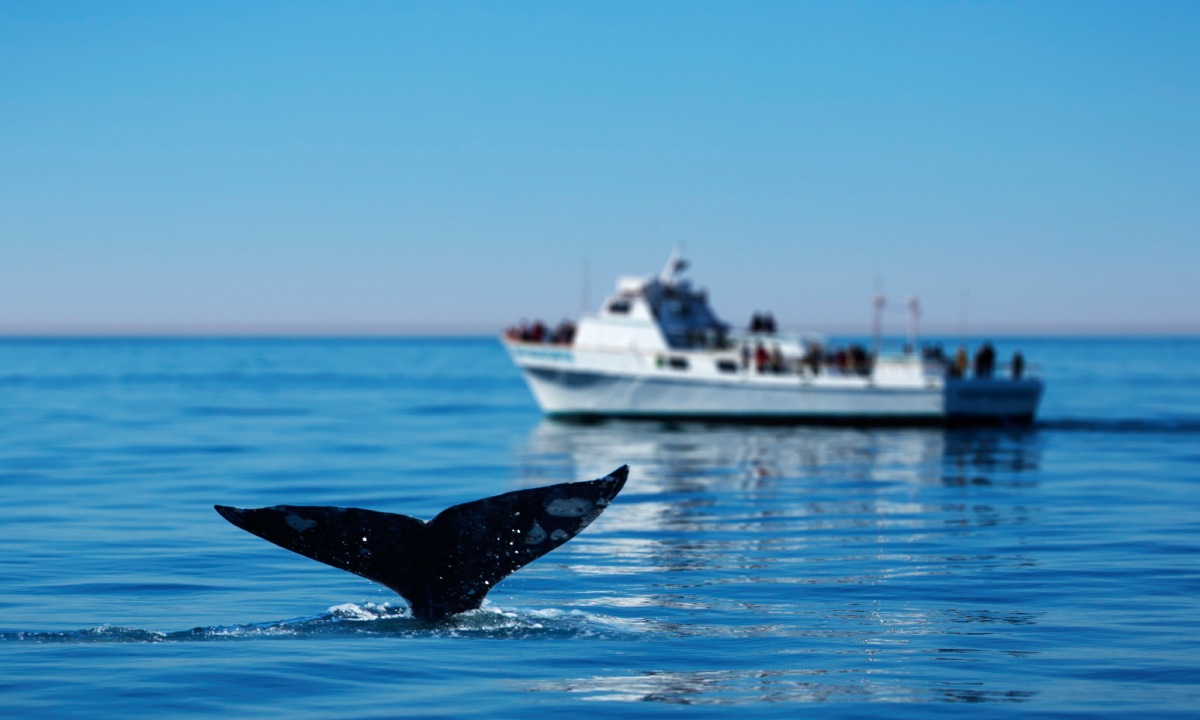
If you’re staying with us, taking part in this experience is the easiest thing in the world. In the lobbies of our Princess Hotels in Punta Cana you’ll find representatives from various tour operators, such as Nexus Tours, who can help you organise your whale-watching trip to Samaná, so all you have to worry about is enjoying yourself.
Here’s the plan:
- Transport: We set off very early in the morning from our hotels in a comfortable, air-conditioned coach. The journey from Punta Cana to the port of Sabana de la Mar takes approximately 2.5 to 3 hours, and takes in mountainous landscapes and stunning local villages.
- The boat: On arrival at the port you’ll board a licensed, spacious, sturdy catamaran or yacht, where you’ll be accompanied by expert guides and marine biologists who’ll explain the behaviour of the whales and ensure that the sanctuary’s regulations are observed.
- The sea experience: You’ll sail around the bay for several hours, observing whales coming up to breathe, slapping their tails, and, if you’re lucky, even leaping out of the water!
- Food and drink: The excursion usually includes a delicious traditional Dominican lunch on board, or at a local stop, as well as an open bar serving water, soft drinks and rum.
- What to bring? We recommend you bring biodegradable sun cream (essential to avoid damaging the marine ecosystem), a cap or sun hat, sunglasses, light clothing (but with long sleeves in case of a breeze), your camera or binoculars. If you’re prone to seasickness, don’t forget to take your tablet before boarding!
Fun facts about humpback whales
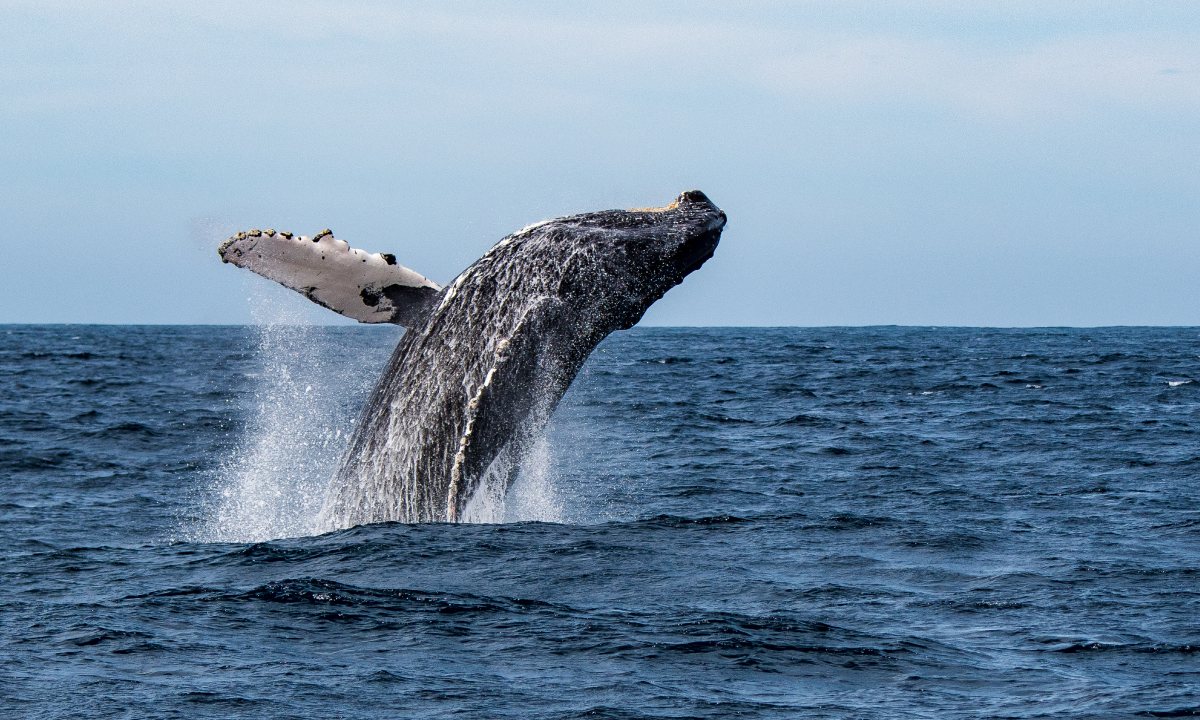
To ensure you arrive at the boat as a qualified expert, here are some fascinating facts about these giants of the sea:
- Enormous size and weight: An adult can measure up to 15 or 16 metres in length and weigh between 30 and 40 tonnes (the equivalent of several cars!). Calves are born measuring around 4 metres and weighing over 1 tonne, gaining around 45 kilos in weight per day thanks to richness of their mother’s milk.
- Whale songs: Males produce complex, deep, melodic ‘songs’ that can last for hours and be heard kilometres away underwater. Scientists believe these are courtship songs intended to attract females.
- Unique fingerprints: If you look at the underside of their tail (caudal fin) when they lift it before diving, you’ll see that it has jagged edges and spots. No two whales have the same tail; it’s like their fingerprint, and biologists use them to identify the whales.
- Jumps: When a whale leaps out of the water and lands with a huge splash, it may do so for various reasons: to communicate, to shake parasites off its skin, or simply because it feels like it! It’s a sight that sends shivers down your spine.
Experience the magic with Princess Hotels!
Seeing a humpback whale in the wild is one of those experiences that reminds you of the vastness and beauty of nature. It’s a moment of pure connection with the natural world that we guarantee you’ll never forget.
If you’re visiting the Dominican Republic this winter, please don’t miss out on this unique Caribbean spectacle.
Book your stay at any of our Princess hotels in Punta Cana, pop into reception, guest services, or any of the tour operators’ stands, and ask about a whale-watching trip in Samaná Bay.
The whales are already getting ready for their journey to the Caribbean! Are you getting ready for yours?
FAQs about whales in the Dominican Republic
- When is the best time of year to see humpback whales in the Dominican Republic?
The official whale-watching season in the Dominican Republic runs from mid-January to the end of March. February and March usually offer the best chances of spotting humpback whales during their migration to the Caribbean.
- Why do humpback whales migrate to the Dominican Republic in winter?
Humpback whales migrate from the cold waters of the North Atlantic to the warm waters of the Dominican Republic to mate and give birth. The Marine Mammal Sanctuary provides them with a peaceful and safe environment where their calves can grow during their first few weeks of life.
- Where can you spot whales in the Dominican Republic during the season?
The best place to spot humpback whales is Samaná Bay and the Banco de la Plata and Banco de la Navidad Marine Mammal Sanctuary. This is the main gathering place for these species in the western Atlantic and the most highly recommended destination for whale-watching trips.
- Can you book a whale-watching trip from Princess Hotels Punta Cana?
Yes. Guests at Princess Hotels Punta Cana can book the excursion to Samaná Bay through the tour operator representatives available at the resort, such as Nexus Tours. They organise the transport, the boat trip, and everything else relating to the experience.
- What does the whale-watching trip from Punta Cana entail?
The excursion begins early with a coach transfer to the port of Sabana de la Mar. From there you’ll board a catamaran or yacht that has been authorised to sail in Samaná Bay, where you’ll be accompanied by specialist guides. Lunch and drinks are usually included.
- What should I take with me on a whale-watching trip in Samaná?
We recommend bringing biodegradable sun cream, a cap or sun hat, sunglasses, light clothing with at least one long-sleeved item for the breeze, and a camera or binoculars. If you are prone to seasickness, it is also advisable to take the appropriate medication before boarding.
- What can you see on a whale-watching trip in the Dominican Republic?
While at sea you may see humpback whales breathing at the surface, showing their tails before diving, slapping the water with their tails, and even performing spectacular leaps out of the water, depending on the animals’ behaviour on the day.
- Why is Samaná Bay the best place to see humpback whales?
Because it’s part of the Banco de la Plata and Banco de la Navidad Marine Mammal Sanctuary, a protected area where hundreds of humpback whales gather every year to breed and care for their calves, offering one of the best whale-watching experiences in the Caribbean.
- What characteristics make humpback whales unique?
Humpback whales can measure up to 16 metres and weigh around 40 tonnes. Males produce complex songs to attract females, and the underside of their tails has a unique pattern, which allows researchers to identify each individual animal.
- Is it worth combining a holiday in Punta Cana with a whale-watching trip
Yes. If you’re travelling to Punta Cana between January and March, taking a trip to Samaná Bay is a chance to witness one of the Caribbean’s greatest natural spectacles and round off your holiday with a unique experience in the heart of nature.
Categories: Caribbean, Travel Tips, Lifestyle, Live Nature, Punta Cana


Leave a Comment