










Explore the marine life of the Dominican Caribbean
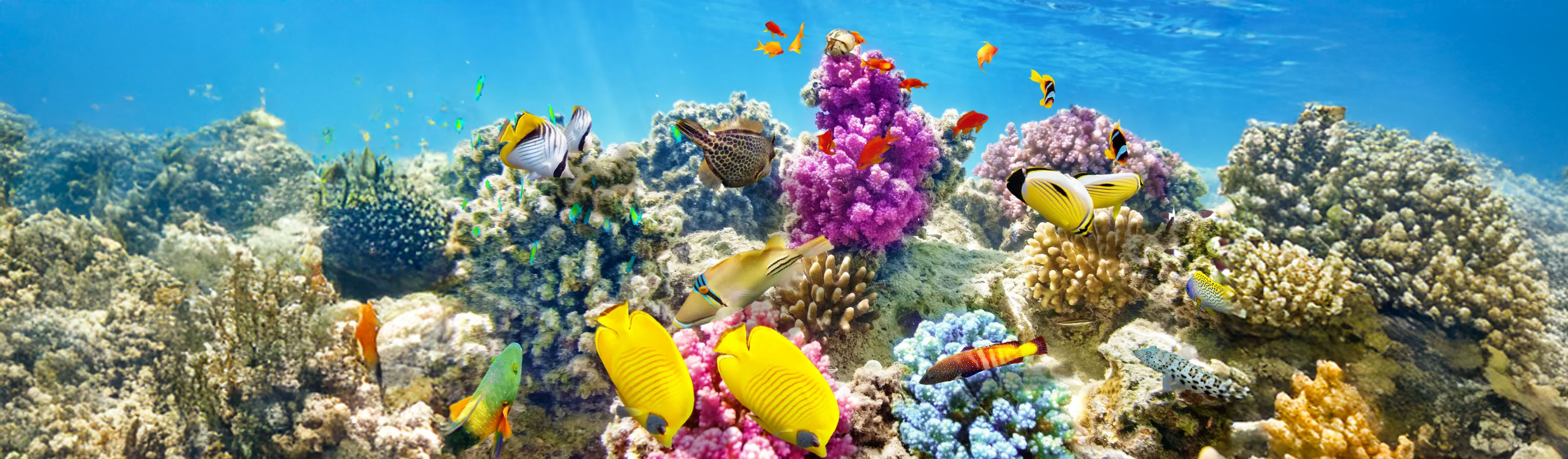
Discover the depths of the Caribbean Sea in the Dominican Republic:
- The best places to observe marine life
- Marine species you’re likely to encounter
- Tips for enjoying yourself without damaging the environment
- Diving experiences in Princess Hotels Punta Cana
Imagine diving into crystal-clear waters where everywhere you look there’s a silent ballet of colours, shapes and sounds. The Dominican Caribbean is not just synonymous with white sand beaches and picture-perfect sunsets; it’s also an underwater sanctuary known for its exceptional biodiversity.
Unlike other tourist destinations, this region combines active coral reefs, beds of seagrass, protected mangroves, and breeding grounds for a number of species, all within a single coastal corridor, all bathed in warm waters year round, and all supported by a growing culture of marine conservation.
In this article we take you on a journey to discover the best spots for diving and snorkelling, the species that inhabit these waters, how to enjoy them without disturbing their fragile balance, and, of course, how to experience this adventure with the comfort, safety, and service that only Princess Hotels can offer.
Get ready to immerse yourself in the deep blue of the Dominican Republic.
Best places for observing marine life
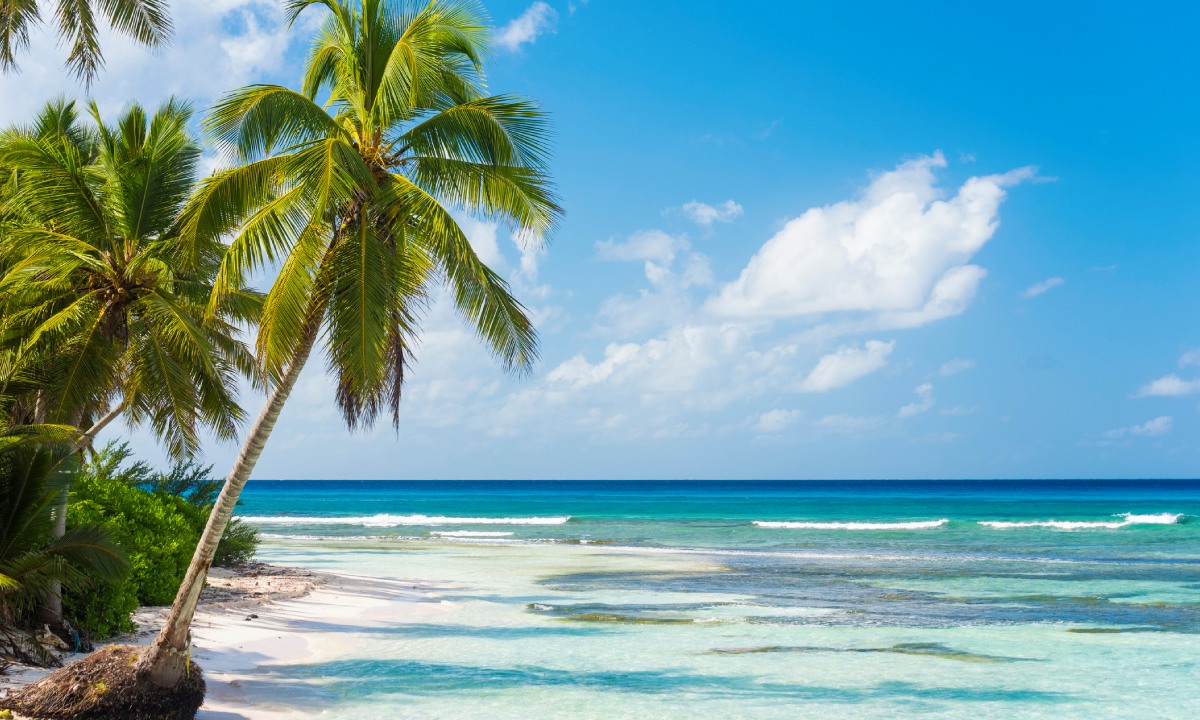
- Saona Island (Del Este National Park): Shallow, sheltered waters teeming with seagrass, stingrays, parrotfish, starfish and resting green turtles. Guided snorkelling trips from a catamaran or speedboat. Ideal for families and novices.
- Isla Catalina: A true paradise for diving enthusiasts, the seabed is home to stunning coral reefs and a wide variety of marine life. Sites such as “El Muro” offer a more profound, more spectacular experience.
- Bávaro Beach / Punta Cana: Coastal reefs 200–500 metres from the shore, artificial wrecks colonised by corals, moray eels, angelfish and tube sponges. Morning snorkelling, recreational diving, and introductory courses. Accessible from the beach or by short boat trips.
- Bayahibe and La Romana: Black coral gardens, underwater caves, exceptional visibility, and deep reef formations. Scuba diving (intermediate/advanced), underwater photography and trips to shelf reefs.
Marine species you’re likely to encounter
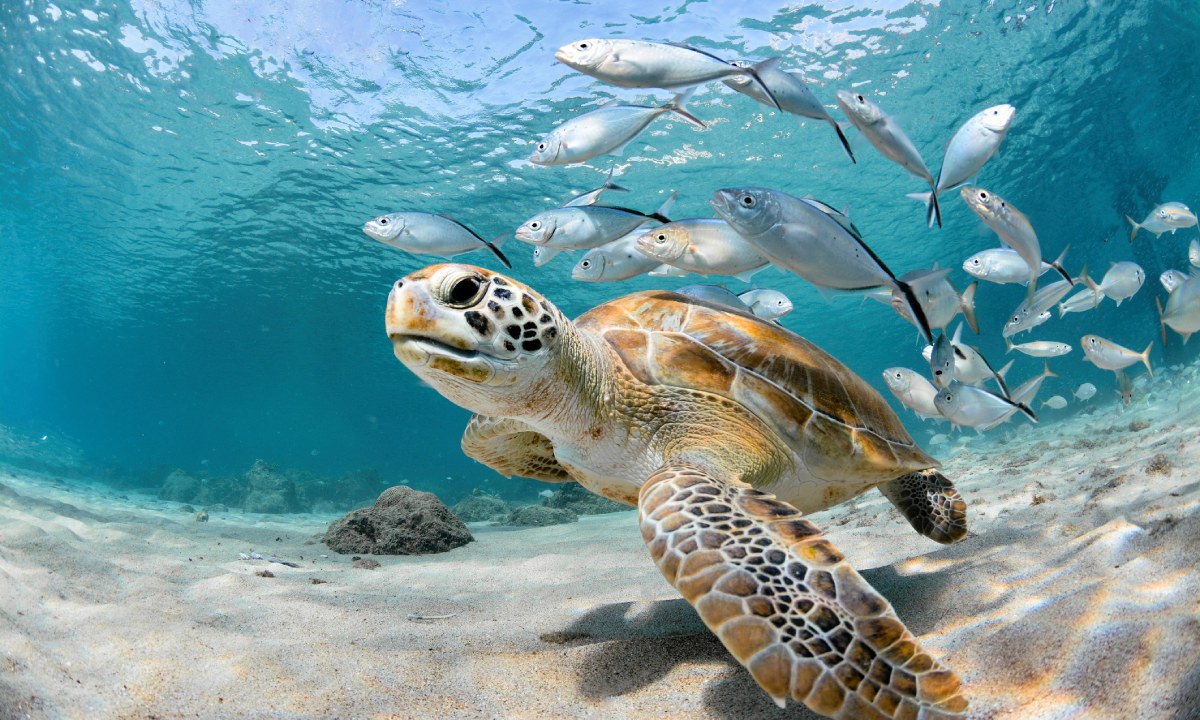
- Tropical fish: The parrotfish (essential for controlling algae and protecting coral), the queen angelfish, the anemone-dwelling clownfish, and schools of jackfish and snappers, many of which display camouflage and fascinating social behaviour.
- Sea turtles: Mainly the green (Chelonia mydas) and hawksbill turtles (Eretmochelys imbricata), which use the Dominican coastline as a feeding and resting area. They are frequently spotted in Saona and Bayahibe, always in accordance with remote observation protocols.
- Corals and sponges: Hard coral reefs (brain coral, staghorn coral, sea lettuce) and soft corals form the backbone of the ecosystem. Giant and barrel sponges act as natural filters, maintaining the clarity and quality of the water.
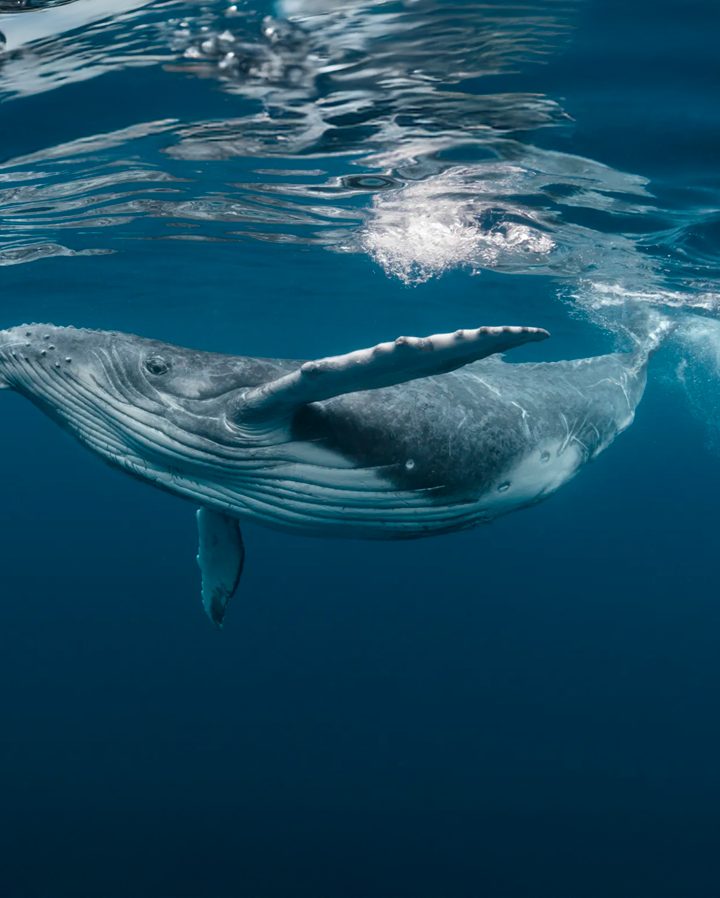
- Mammals and large visitors: Bottlenose dolphins, manta rays that visit during the cooler months and, in season, humpback whales that come to Samaná to breed and give birth. Their presence is a direct indicator of the health of the ecosystem.
- Invertebrates and benthic life: Blue and red starfish, pygmy seahorses, spiny lobsters, hermit crabs and sea urchins inhabit rocky crevices and seagrass beds, offering a spectacle of micro-biodiversity that is ideal for keen observers and photographers.
Tips for enjoying yourself without harming the environment
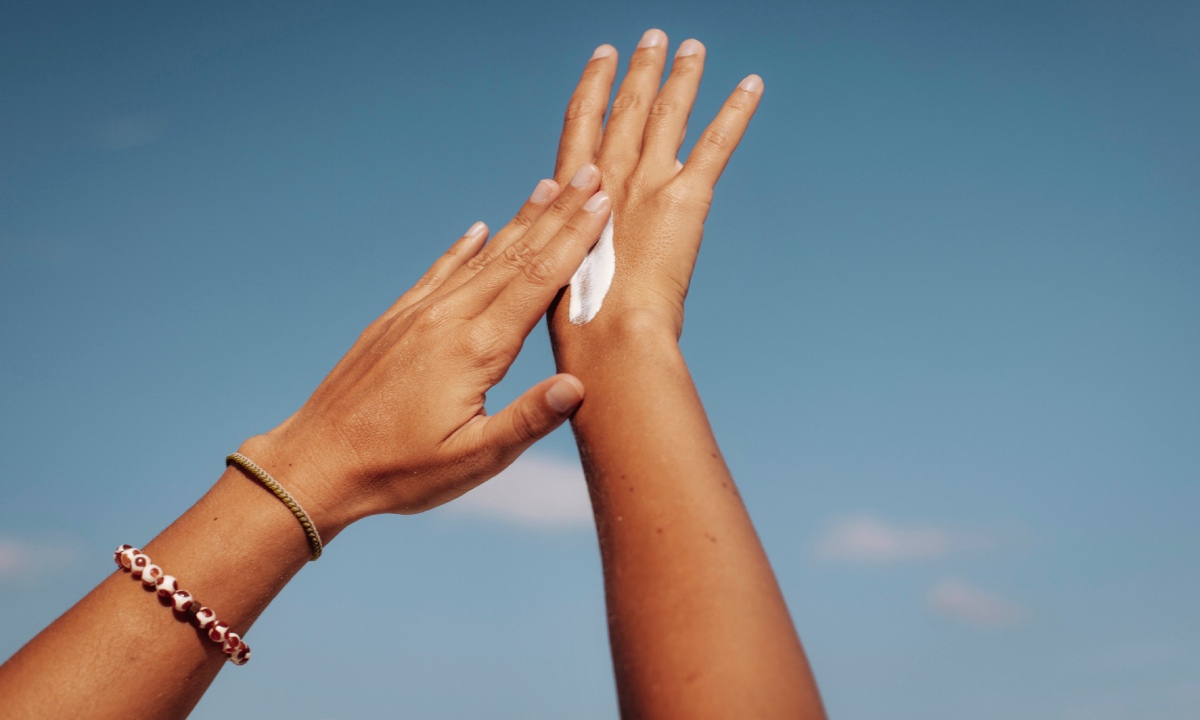
Protecting the sea is an integral part of the experience, so please follow these guidelines to ensure your visit leaves a lasting impression on your memory, not on the reef:
- Use reef-safe sunscreen: Choose formulas free from oxybenzone and octinoxate, or opt for T-shirts and leggings with UV protection.
- Never touch or feed the wildlife: Human interaction disrupts feeding cycles, increases stress, and can spread disease.
- Keep your distance from the corals: Resting your fins or hands on the seabed stirs up sediment that suffocates the polyps. Follow the ‘look, don’t touch’ rule.
- Don’t collect “souvenirs” from the sea: Shells, corals (live or dead) and sand are part of the habitat, and their removal is regulated and/or prohibited.
- Choose sustainable operators: Look for companies with responsible tourism certifications, small groups, and local guides trained in conservation.
- Control your buoyancy (if diving): Good technique prevents accidental contact with the reef and reduces water turbidity.
- Get involved in citizen science: Many centres offer monitoring programmes, sighting reports or beach clean-ups. Your contribution makes a difference.
Diving experiences in Princess Hotels Punta Cana
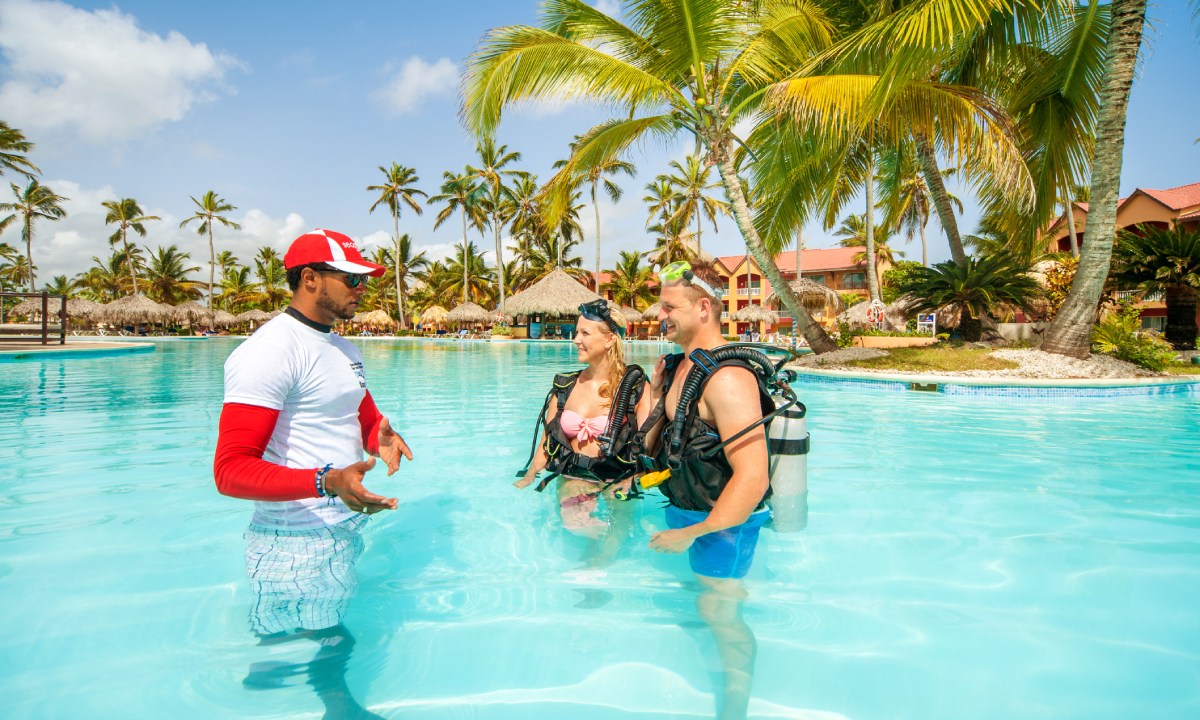
In Princess Hotels Punta Cana, the ocean isn’t just a backdrop; it’s an integral part of your stay. Our resorts serve as the ideal starting point for discovering marine life in complete comfort and safety and with maximum responsibility.
We have a PADI-certified water sports centre that organises activities, always with certified local guides and state-of-the-art equipment.
If this is your first time, our instructors can give you a free introduction to diving in the pool, and, if you feel like it, you can also obtain your official diving certification during your holiday. Our instructors will accompany you on guided snorkelling sessions, PADI courses tailored to your level, and supervised excursions for responsible wildlife viewing. All of this is part of our ongoing commitment to sustainability.
Enjoy the premium comfort, cuisine, and signature service of Princess Hotels while you explore one of the Caribbean’s most vibrant underwater ecosystems.
The Dominican Caribbean awaits you with its vibrant underwater world; a world that, fragile as it may be, is brimming with stories waiting to be discovered.
Book your getaway in Princess Hotels Punta Cana and transform your holiday into a responsible, enjoyable and unforgettable adventure. The ocean isn’t just waiting for you; it’s inviting you to become part of it.
Are you ready to take the plunge?
FAQs about marine life in the Dominican Caribbean
- What are the best spots for observing marine life in the Dominican Caribbean?
The most notable areas are Isla Saona, Isla Catalina, Bávaro Beach – Punta Cana, and Bayahibe – La Romana, each of which offers a variety of experiences ranging from snorkelling in shallow waters to diving on deep reefs and in underwater caves.
- Where can I go snorkelling in the Dominican Republic where the waters are calm and safe?
Isla Saona is one of the best options, as it offers shallow, sheltered waters that are ideal for guided snorkelling trips, and is especially recommended for families and novices.
- Which spots would you recommend for more advanced diving trips in Punta Cana and the surrounding area?
Bayahibe and La Romana are renowned for their black coral gardens, underwater caves, and deep reefs, making them ideal for more experienced divers and underwater photographers.
- What marine species can you see whilst snorkelling or diving in the Dominican Caribbean?
You’re likely to encounter tropical fish such as parrotfish, angelfish and clownfish, as well as sea turtles, corals, sponges, starfish, lobsters, sea urchins and even dolphins or manta rays at certain times of the year.
- Is it possible to take a tour to see sea turtles in the Dominican Republic?
Yes, especially in areas such as Isla Saona and Bayahibe, where it is common to see green and hawksbill turtles in their feeding and resting areas… always observing them from a distance.
- What types of marine ecosystems are found in the Dominican Caribbean?
This destination combines coral reefs, beds of seagrass, protected mangroves, and breeding grounds for numerous species, all within a single coastal corridor.
- How can I go snorkelling or diving without damaging the marine environment?
You should avoid touching marine life or corals, keep your distance, do not collect anything from the sea, control your buoyancy, and choose certified, responsible operators who respect the environment.
- What type of sunscreen is recommended in order to protect corals?
We recommend using ‘reef-safe’ sunscreen that is free from oxybenzone and octinoxate, or wearing UV-protective clothing such as T-shirts or leggings.
- What diving and snorkelling experiences do Princess Hotels offer in Punta Cana?
They offers guided snorkelling, PADI courses tailored to different levels, supervised diving trips, and a free introductory pool session for beginners, all led by certified instructors.
- Can I learn to dive while on holiday in Punta Cana with Princess Hotels?
Yes, you can start with an introductory session in the pool and, if you wish, obtain an official diving qualification during your stay, under the guidance of qualified instructors.
Categories: Caribbean, Travel Tips, Lifestyle, Live Nature, Punta Cana
Comments
-
-
Princess Hotels says:
There are some fabulous reefs nearby to do some snorkelling. We are so happy to hear you love our property, hope to see you again!
-


I don’t think you will find those site off the beaches in front of the Princess properties. Unless you go WAY out! But, I could be wrong. Now paying for an excursion to a reef is another story. Love the Bavaro Princess.