Fuerteventura has almost 150 kilometres of beaches and a variety of coastal landscapes that are hard to find anywhere else in the Canary Islands. So, when people ask which are the best beaches in Fuerteventura, the honest answer is that there is no single ‘best beach’. It all depends on what you are looking for during your trip.
The island boasts stretches of white and golden sand, turquoise waters, peaceful beaches for families with children, protected natural areas and wild, unspoilt shores. It is also home to some of Europe’s best-known surfing, windsurfing and kitesurfing spots. In this guide, we’ll help you discover the island’s beaches and choose the one that best suits your holiday.
The Best Beaches in Fuerteventura
These are some of the island’s most iconic beaches, from north to south. For each one, you’ll find out what it has to offer and who it is best suited to.
Grandes Playas de Corralejo
Grandes Playas de Corralejo lies in the north of the island and forms part of Corralejo Natural Park, home to the largest dune system in the Canary Islands. Its sand is known locally as jable: fine, white sand of organic origin. The sea shimmers in shades of turquoise, with Lobos and Lanzarote visible in the distance.
This stretch of coastline extends for several kilometres, with different areas to suit different preferences:
- Areas close to the town centre, with facilities and a livelier atmosphere.
- Wide, open stretches of beach, ideal for walking and unwinding among the dunes.
- Areas where the wind creates ideal conditions for windsurfing and kitesurfing, with nearby schools offering lessons.
Before going into the sea, always check the beach flags. Some stretches are more exposed to wind and currents than others.
Sotavento Beach
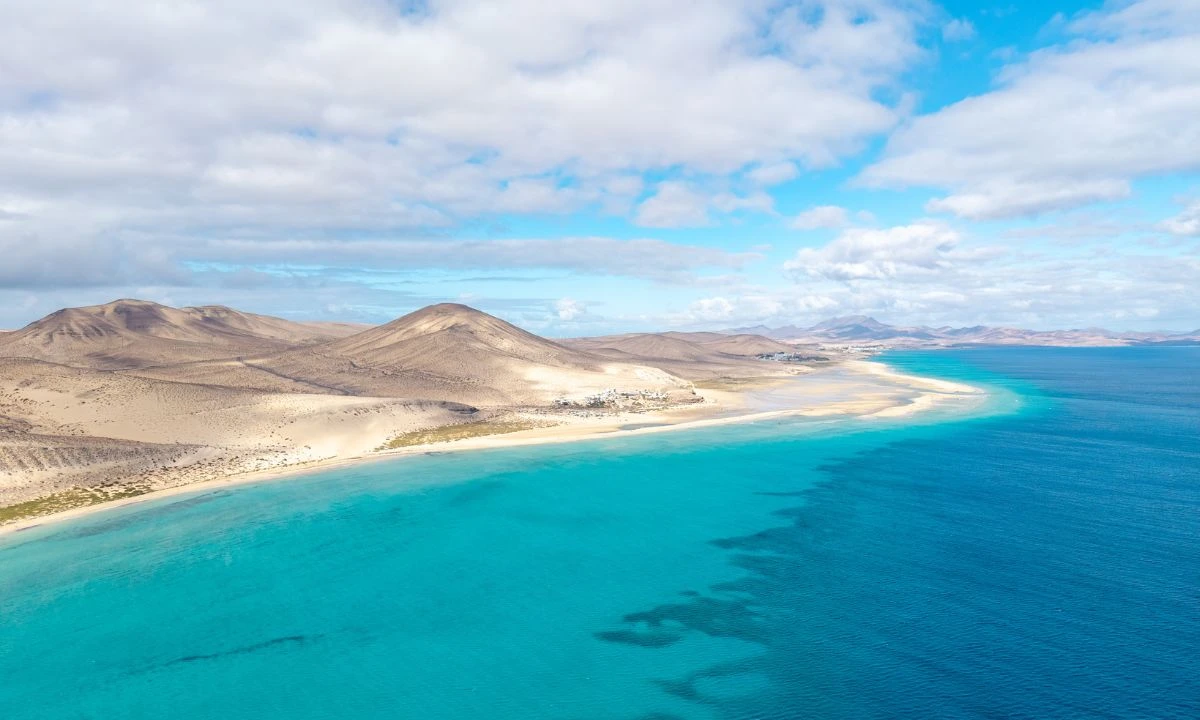
Sotavento lies on the south-eastern coast of the Jandía Peninsula. It is not a single beach but a series of five: La Barca, Risco del Paso, Mirador, Malnombre and Los Canarios. Its most recognisable feature is the lagoon that forms at high tide between the shoreline and a long sandbank. The water is shallow and turquoise.
Its exposure to the wind has made it an internationally renowned destination for windsurfing and kitesurfing, and it regularly hosts competitions. Even if you are not into wind sports, the lagoon and long walks along the shore are still well worth experiencing, particularly at high tide.
Costa Calma
Costa Calma combines white sand, turquoise waters and a well-serviced setting. It is one of the most versatile beach destinations in the south of the island. In the northern part of the area, you’ll find smaller beaches and more sheltered coves, making them a comfortable choice for families.
When wind and wave conditions are right, some stretches are also suitable for surfing and windsurfing. It is a great option if you want to alternate peaceful days swimming with activities on the water.
Cofete Beach
Cofete is the ultimate example of a wild beach in Fuerteventura. Stretching for more than 12 kilometres beneath the Jandía mountain range, it lies within Jandía Natural Park. There is very little development here, and the landscape is particularly impressive when viewed from the Degollada de Cofete viewpoint.
Bear in mind that this is not a family-friendly swimming beach, nor is it known for calm waters:
- Atlantic swells and currents are often strong.
- There are no lifeguards, showers, sun loungers or beach bars.
- Access is via an unpaved dirt track from Morro Jable. There is also a bus service connecting Morro Jable with the area.
This is a place to admire the scenery, go for a walk and take photographs rather than swim.
Playa del Matorral (Morro Jable)
Playa del Matorral has around four kilometres of pale sand and stretches alongside Morro Jable, a popular tourist area with restaurants, shops and beach facilities. Behind the beach lies the Saladar de Jandía, a protected natural area of considerable ecological importance.
It is a convenient, practical choice, with quieter swimming areas and kayak and paddleboard hire available. It is ideal if you want to spend a full day at the beach with everything you need close at hand.
Esquinzo / Butihondo Beach
Butihondo is a semi-urban beach stretching for almost three kilometres on the Jandía Peninsula. It is divided into several sections separated by small rocky outcrops. Each has its own character, from peaceful corners to areas where water sports are popular.
Fuerteventura Princess is located opposite Esquinzo Beach and offers direct access to the sand, so you can start and end your day by the sea.
La Concha Beach, El Cotillo
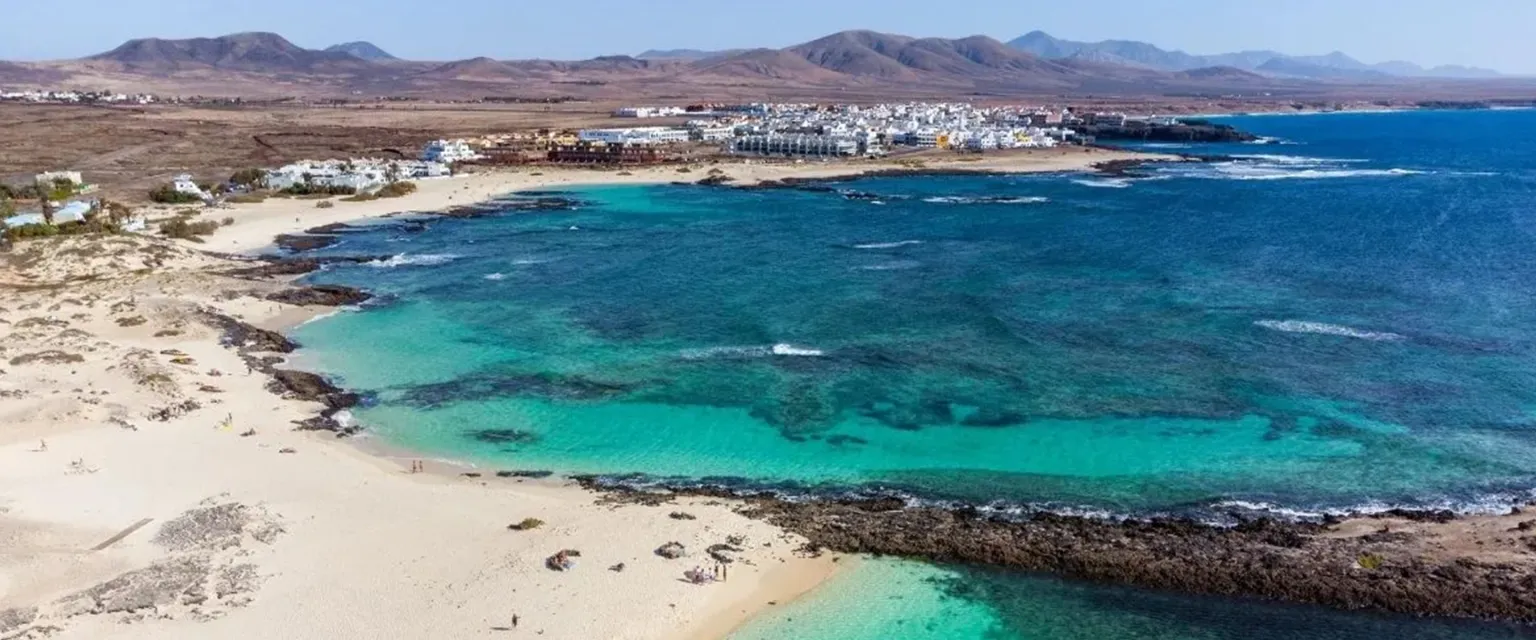
La Concha lies in the north-west of the island. A natural reef breaks the waves, creating a kind of open-air swimming pool, which means the water is usually calm. Its white sand and family-friendly setting make it one of the most popular choices for visitors travelling with children.
El Cotillo is a fishing village surrounded by several beaches and small coves. It is a peaceful place to unwind and enjoy sunsets on the island’s western coast.
Playa del Castillo (Caleta de Fuste)
Playa del Castillo lies on the east coast, in a crescent-shaped bay that shelters the water and generally keeps it calm. The beach takes its name from the 18th-century defensive tower beside the marina.
It is an excellent choice for families and anyone looking for a peaceful swim, with all the facilities of Caleta de Fuste just a short walk away.
Ajuy Beach
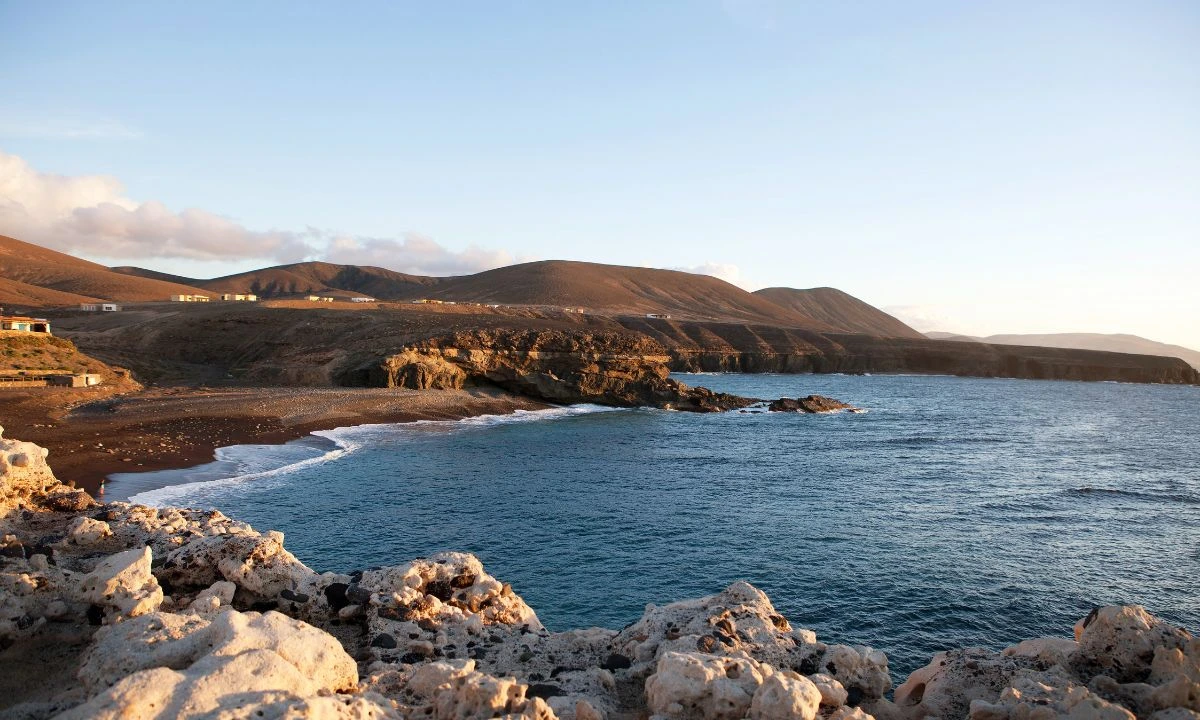
Ajuy is more about experiencing the landscape than enjoying a conventional swimming beach. It has black sand and a small fishing village with an authentic local atmosphere. Just a few minutes’ walk away are the Ajuy Caves, within the Ajuy Natural Monument, home to some of the oldest rocks in the Canary Islands.
The sea is often rough, so it is best enjoyed on foot, by following the cliffside trail and visiting the caves.
La Pared / Viejo Rey Beach
Viejo Rey Beach lies on the west coast, near La Pared, and is one of Fuerteventura’s best-known surfing spots. Strong winds, consistent waves and ochre-coloured cliffs give the landscape a very different character from the beaches on the east coast.
It is a spot for experienced surfers or for those looking to take lessons with local surf schools. Swimming is not recommended unless you are familiar with the sea and its conditions.
Which Beach in Fuerteventura Should You Choose for Your Holiday?
If you are still undecided, this quick guide will help you choose:
- If you are travelling with children: La Concha, Corralejo Viejo and Costa Calma.
- If you are looking for calm waters: La Concha, Corralejo Viejo and Playa del Castillo.
- If you want white sand and turquoise waters: Corralejo, Sotavento and Costa Calma.
- If you enjoy surfing: Viejo Rey / La Pared and other spots, depending on the day’s conditions.
- If you enjoy windsurfing: Sotavento and Costa Calma.
- If you enjoy kitesurfing: Sotavento.
- If you are drawn to wild, unspoilt nature: Cofete and Ajuy.
- If you prefer facilities and a lively tourist atmosphere: Matorral, Costa Calma and Corralejo.
- If you want to switch off and unwind: Cofete and some areas around El Cotillo.
- If you want to discover different landscapes: Ajuy, Cofete and the Corralejo Dunes.
The Best Beaches in Fuerteventura for Families with Children
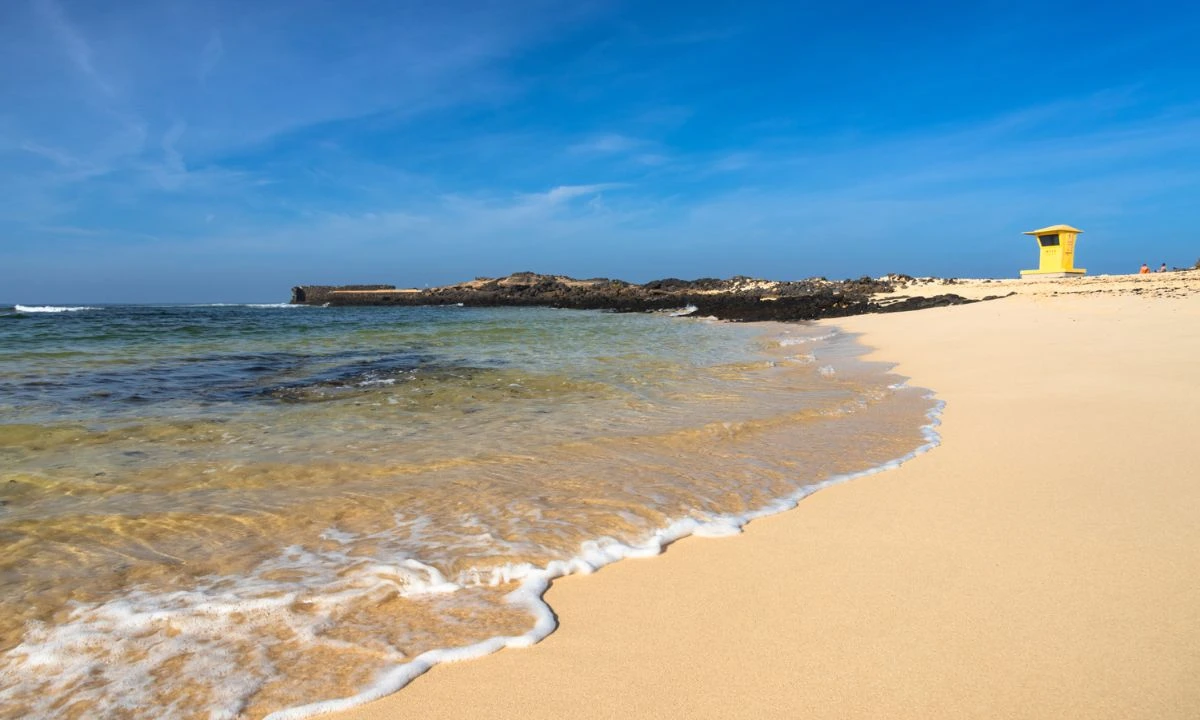
When travelling as a family, the most important things to look for are calm waters, shallow water close to the shore and facilities nearby. Here are some of the best options:
- La Concha (El Cotillo): the natural reef shelters the shoreline, creating a calm swimming area.
- Corralejo Viejo: small beaches close to the old town, sheltered and with everything within easy reach.
- Costa Calma: coves in the northern part of the area, with calm waters and white sand.
- Playa del Castillo (Caleta de Fuste): a sheltered bay with facilities along the promenade.
- Playa del Matorral: a spacious beach with quieter swimming areas and restaurants nearby.
The Sotavento lagoon can also be a great option at high tide. Always keep a close eye on young children, as the wind can be particularly strong.
Beaches in Fuerteventura for Surfing and Water Sports
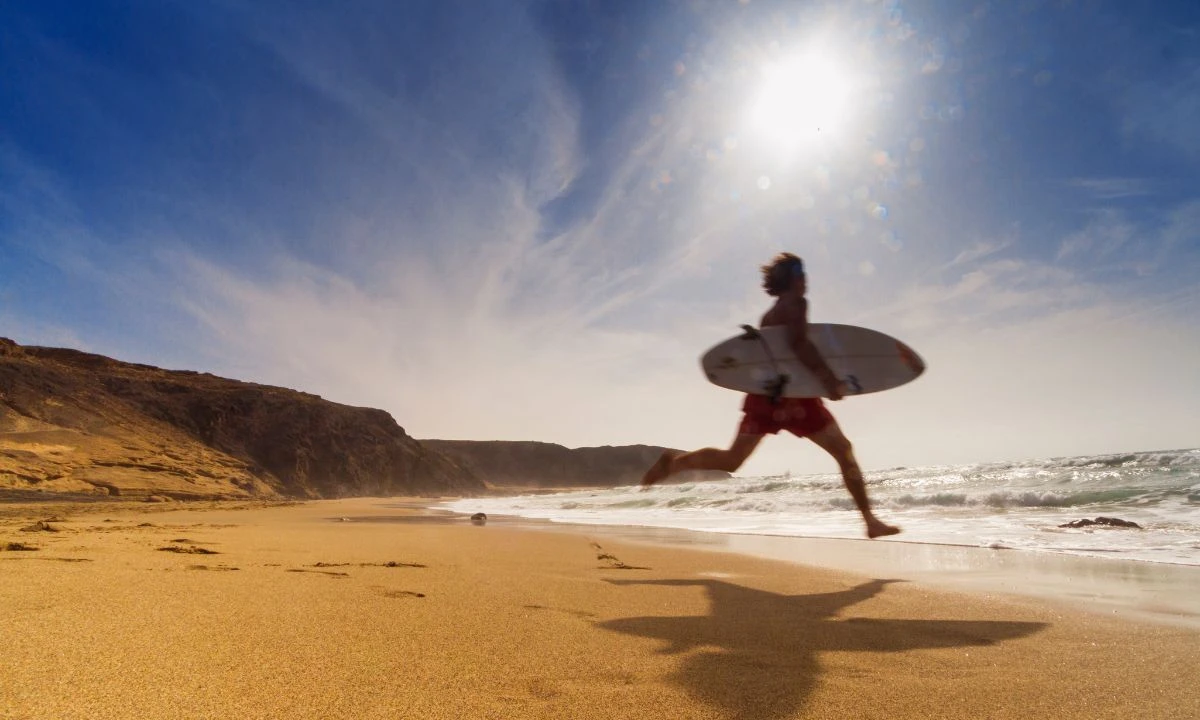
The island’s consistent winds and Atlantic swells make Fuerteventura one of Europe’s leading destinations for water sports.
Where to Surf in Fuerteventura
The best waves can be found along the west coast and in the north. Viejo Rey, in La Pared, is one of the island’s best-known surf spots, while the areas around Corralejo and El Cotillo are home to numerous surf schools. Conditions vary considerably throughout the year, so always check the surf forecast before heading out.
Where to Windsurf and Kitesurf in Fuerteventura
Sotavento is the island’s main destination for windsurfing and kitesurfing, and its lagoon provides favourable conditions for beginners. Costa Calma also offers excellent windsurfing conditions. In Corralejo, you’ll find schools offering lessons and equipment hire.
Other Water Activities
If you prefer something more leisurely, beaches such as Matorral and Caleta de Fuste offer opportunities for paddleboarding, kayaking and snorkelling when the sea is calm.
Which Beach in Fuerteventura Has the Clearest Water?
There is no single answer, as water clarity depends on the wind, the tide and sea conditions on the day. However, several beaches stand out for their clear, turquoise waters:
- Grandes Playas de Corralejo, with its fine white jable sand.
- The Sotavento lagoon, particularly at high tide.
- Costa Calma, especially its more sheltered coves.
- La Concha, in El Cotillo, when the sea is calm.
Early morning, when there is usually less wind, is often the best time to see the water at its clearest.
North or South Fuerteventura: Which Beach Area Should You Choose?
The best area for you depends on your holiday style. The north combines dunes, fishing villages and a surfing scene, while the south offers vast stretches of sand, lagoons and expansive natural landscapes.
Beaches in the North
- Corralejo: a lively atmosphere, plenty of facilities and access to Lobos Island.
- Grandes Playas: dunes, white sand and turquoise waters.
- El Cotillo: a fishing village, beautiful sunsets and surfing.
- La Concha: calm waters, ideal for families.
Beaches in the South
- Costa Calma: white sand, coves and plenty of facilities.
- Sotavento: a lagoon and excellent conditions for wind sports.
- Butihondo: a semi-urban beach with several distinct stretches.
- Matorral: a spacious beach beside Morro Jable and the Saladar de Jandía.
- Cofete: a wild beach in the heart of Jandía Natural Park.
Tips for Enjoying Fuerteventura’s Beaches
Fuerteventura is an island shaped by the wind and the open Atlantic Ocean. These tips will help you enjoy its beaches safely:
- Check sea and wind conditions before setting off.
- Pay attention to beach flags and follow lifeguards’ instructions.
- Use high-factor sun protection and seek shade. The wind can make it easy to underestimate the strength of the sun.
- Take enough drinking water, especially when visiting beaches without facilities.
- Take extra care at beaches with strong waves, such as Cofete and Viejo Rey.
- Check access routes before visiting more remote beaches.
- Respect natural environments and protected areas, including the Corralejo Dunes and the Saladar de Jandía.
- Take all your rubbish with you, and do not remove sand, stones or shells.
Remember that the entire island has been a Biosphere Reserve since 2009. Looking after its beaches is everyone’s responsibility.
Discover Fuerteventura During Your Stay
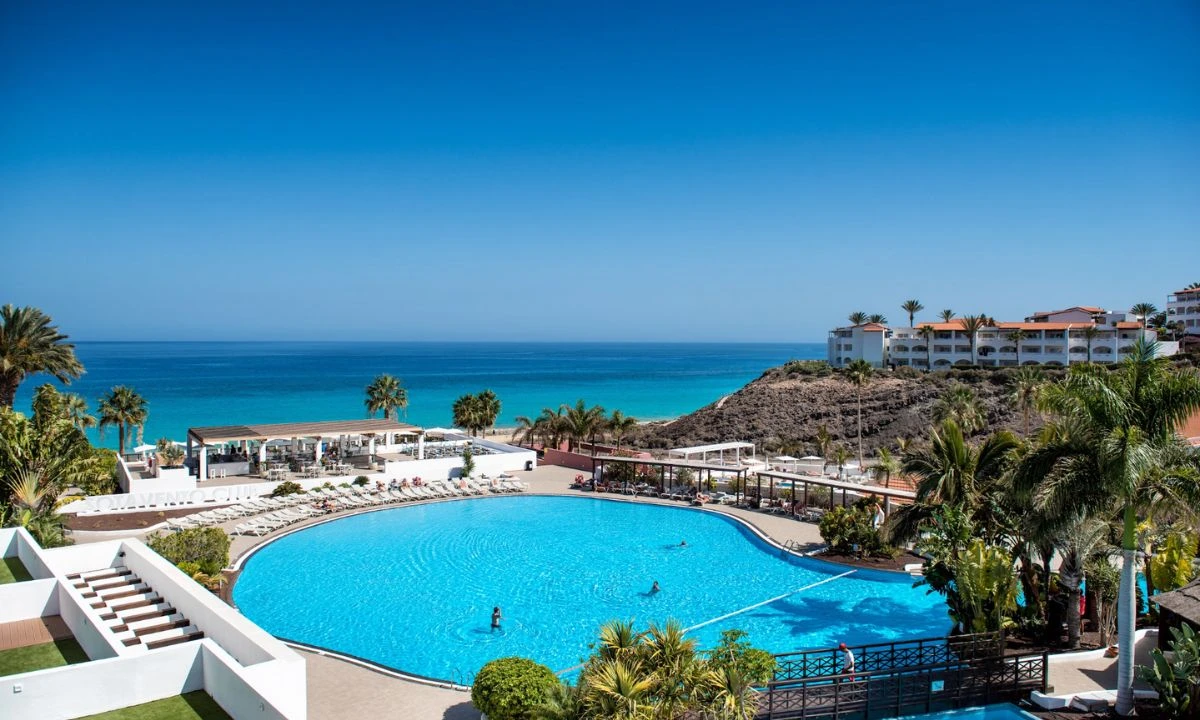
Staying close to the island’s main beach areas makes it easier to make the most of every day. Princess Hotels offers three options in the south of the island, on the Jandía Peninsula:
- Fuerteventura Princess: opposite Esquinzo Beach, with direct beach access and facilities designed with families in mind.
- Esencia de Fuerteventura by Princess: an exclusive adults-only area for guests aged 16 and over, designed for couples seeking peace and quiet.
- Princess Jandía: located on the Jandía Peninsula, with easy access to the southern beaches.
From any of these hotels, you’ll be close to Butihondo, Matorral and Morro Jable. Sotavento, Costa Calma and the track leading to Cofete are also a short drive away.
Every beach in Fuerteventura offers a different way to experience the island. Discover Princess Hotels in Fuerteventura and choose where to begin exploring its beaches.
Frequently Asked Questions About Fuerteventura’s Beaches
What Is the Most Beautiful Beach in Fuerteventura?
It depends on what you are looking for. Grandes Playas de Corralejo, Sotavento and Cofete are three of the island’s most highly regarded beaches for their scenery. Corralejo offers dunes and turquoise waters, Sotavento boasts a lagoon and white sand, while Cofete is known for its wild, unspoilt landscape.
Which Beach in Fuerteventura Has the Clearest Water?
Corralejo, the Sotavento lagoon, Costa Calma and La Concha are known for their clear, turquoise waters, particularly when the sea is calm.
What Are the Best Beaches in Fuerteventura for Children?
La Concha, Corralejo Viejo, Costa Calma, Playa del Castillo and Matorral are excellent choices thanks to their calmer waters and nearby facilities.
What Are the Best Beaches in South Fuerteventura?
Costa Calma, Sotavento, Butihondo, Matorral and Cofete are among the best beaches in the south. Each offers a different experience.
What Are the Best Beaches in North Fuerteventura?
Grandes Playas de Corralejo, Corralejo Viejo, El Cotillo and La Concha are among the best beaches in the north.
Where Can You Surf in Fuerteventura?
The best areas are along the west coast and in the north. Popular spots include Viejo Rey (La Pared), El Cotillo and the area around Corralejo.
Where Can You Go Kitesurfing and Windsurfing in Fuerteventura?
Sotavento is the island’s main destination for both sports. Costa Calma and Corralejo are also good options.
Which Beaches in Fuerteventura Have Calm Waters?
La Concha, Corralejo Viejo and Playa del Castillo are good choices, as their waters are sheltered by reefs and bays.
Where Can You Find White-Sand Beaches in Fuerteventura?
White-sand beaches can be found mainly in Corralejo, Sotavento and Costa Calma, as well as along other stretches of the Jandía Peninsula.