









Barcelona in summer: The art of taking your time.
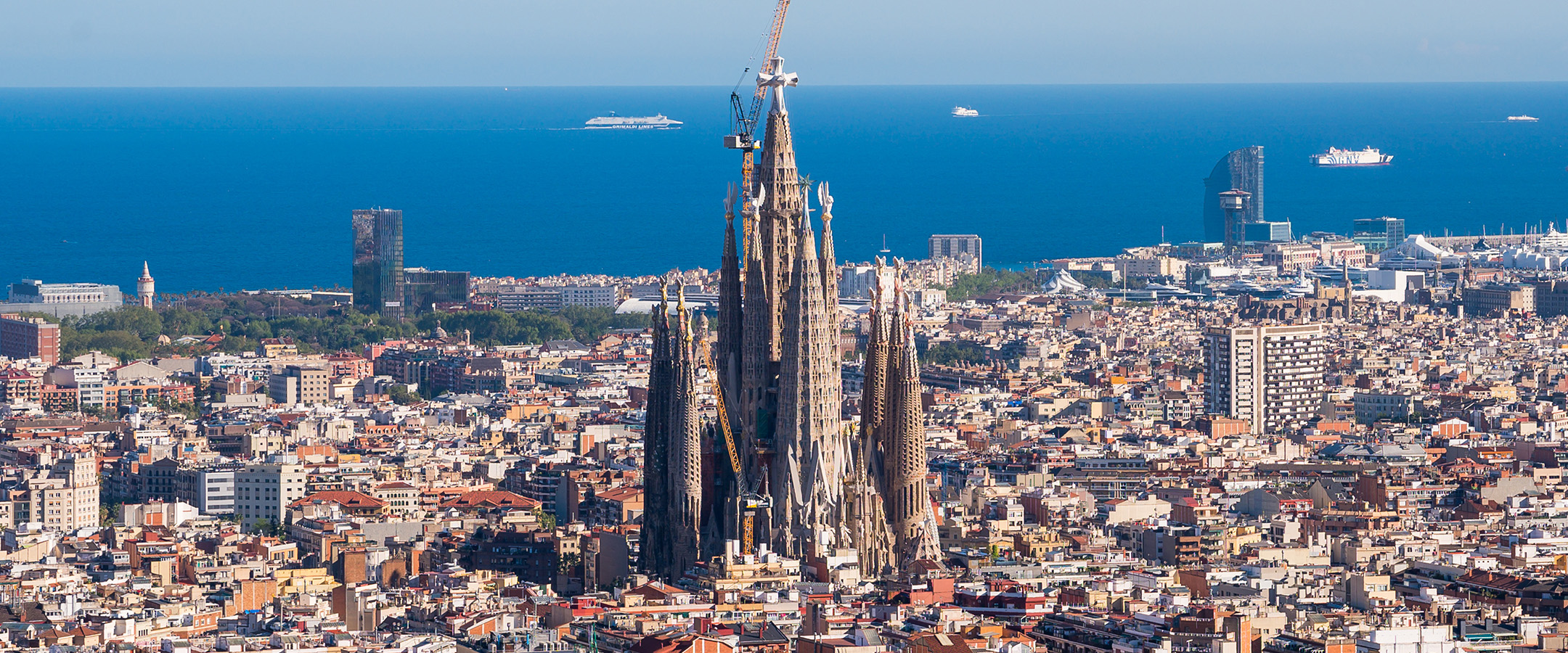
How to enjoy the sea, the city, and Barcelona’s coolest locations before the summer comes to an end
There’s still plenty to do in Barcelona this summer.
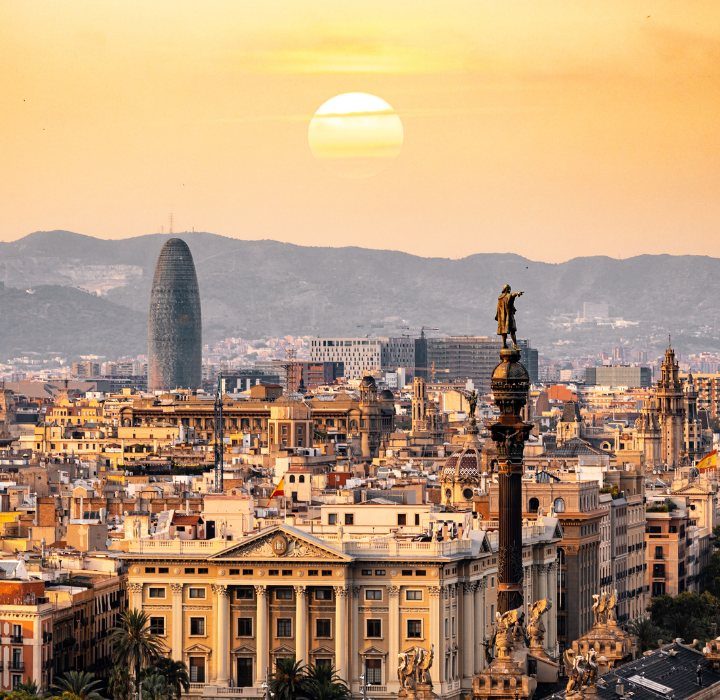
Even towards the end of August the city still possesses that rhythm we love so much; mornings that begin at the seaside, leisurely lunches, terraces packed as the sun goes down, and evenings when you feel like exploring a little further afield.
The summer heat reminds us that there are times to go out and times to stay put, seek out a cool spot, pop in to an exhibition, and let time slip by while absorbing the inspiration.
Barcelona is at its best when you let yourself be carried along by the city’s own rhythm.
Table of Contents
- Barcelona begins by the Mediterranean
- A break when the sun is at its highest
- Some climate shelters designed to help you discover a different side to Barcelona
- As the sun goes down, Barcelona takes to the streets
- There’s still time to enjoy the summer
- FAQs It’s still summer in Barcelona
1. Barcelona begins by the Mediterranean
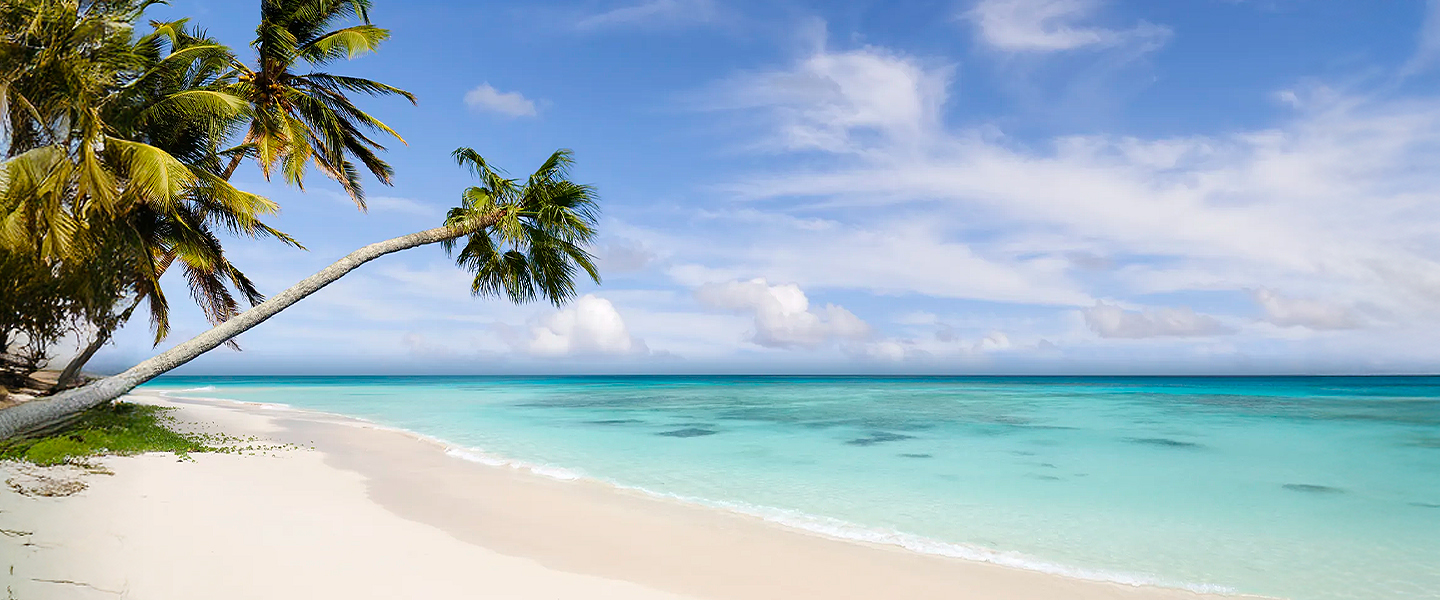
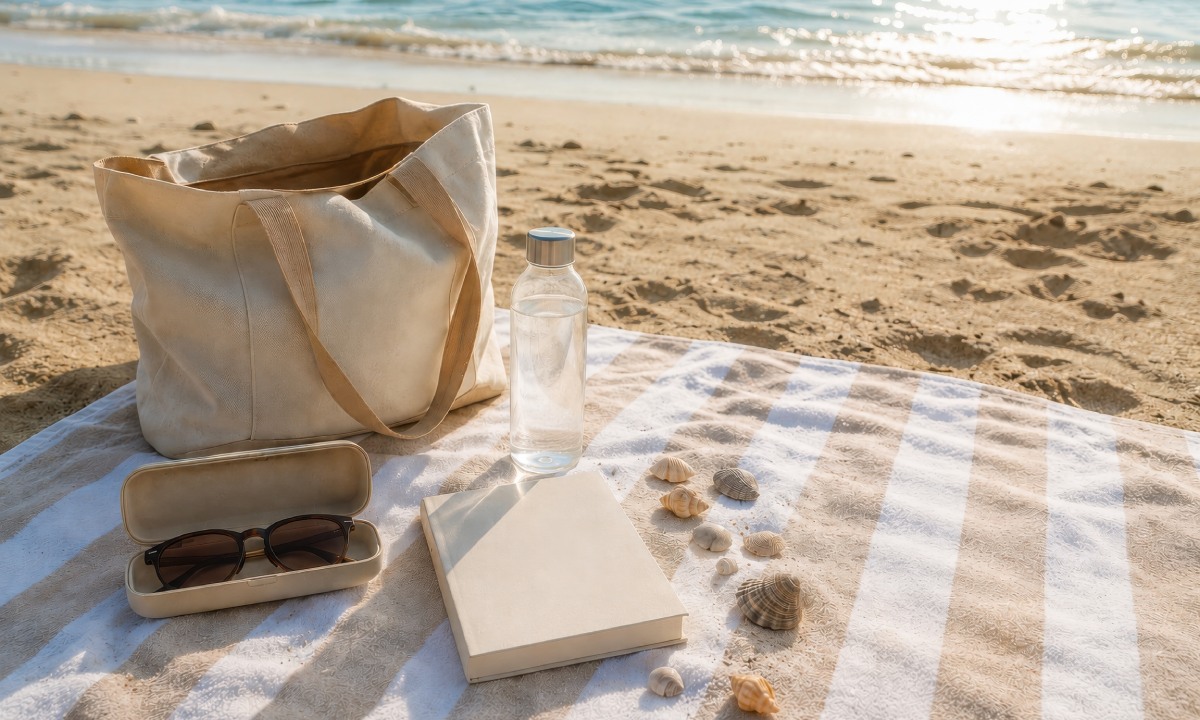 During the summer months the Mediterranean forms an integral part of life in the city.
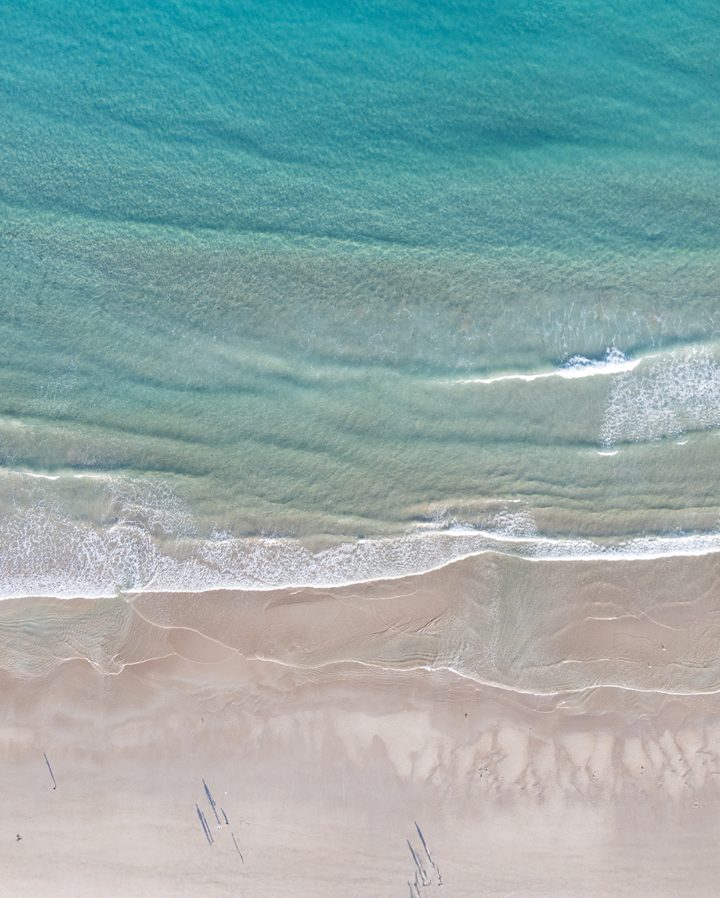
The early hours of the day are a good time to head down to the coast, when the temperature is just right for a leisurely stroll along the seafront promenade, a dip in the sea, or just sitting by the water’s edge, watching the sunrise, and feeling the city come to life.
From Barcelona Princess the Mediterranean feels particularly close, and Llevant Beach, Mar Bella, the Parc del Fòrum, and the seafront promenade make it easy to combine a city break with moments by the sea.
After a morning at the beach, the pool just might be your next destination.
2. A break when the sun is at its highest
The middle of the day is the ideal time to find a cool spot and take things at a leisurely pace.
At Barcelona Princess the swimming pool and rooftop offer a perfect place for kicking back with views of the Mediterranean and the city skyline.
In the city centre, Negresco Princess offers a different take on summer. Its rooftop and pool allow you to take a break without straying far from the ‘barrios’, restaurants, and cultural venues surrounding the hotel.
It’s also a good time to discover some of Barcelona’s more than 400 climate shelters, which are spread across the city’s neighbourhoods and equipped with rest areas, free drinking fountains, and air-conditioned or shaded areas designed to provide relief from the high temperatures.
To this end, the city boasts an extensive network of spaces that includes libraries, community centres, parks, gardens, museums, and other public facilities.
3. Some climate shelters designed to help you discover a different side to Barcelona.
There are days during the height of summer when the best plan is just to find somewhere cool, and Barcelona knows this, which is why the city offers a network of climate-controlled shelters scattered throughout the city. And they’re not all the same, as the network include libraries, museums, parks, cultural centres, and sports facilities, meaning that some also provide a good excuse for exploring places you might not otherwise visit on a typical trip.
If you’re staying at the Barcelona Princess there are a number of interesting options in Sant Martí and the Fòrum area. Very close by is the Barcelona Natural History Museum – Museu Blau, which is a great option for the middle of the day as, in addition to providing a refuge from the heat, you can take the opportunity to visit the exhibitions while checking out one of Barcelona’s most contemporary venues
If design and architecture are your thing, the Disseny Hub Barcelona in Glòries is well worth a visit, as it’s one of those places that showcases a different, more creative, contemporary side to Barcelona while also serving as a great place to combine culture with a few hours indoors.
Within the same district is the Gabriel García Márquez Library. The architecture alone makes it worth a visit, and it’s a particularly pleasant place to visit if you’re looking for something a bit different from the usual tourist routes.
So, a library, a residential neighbourhood, and one of the most interesting architectural works in contemporary Barcelona can all form part of the same itinerary.
If you’re staying at the Negresco Princess, the wealth of cultural attractions in the city centre make it even easier to find a place to escape the heat.
MACBA, the Museu d’Art Contemporani de Barcelona in the Raval, is one of our favourite places to combine contemporary art with a break from the heat, as the family-friendly reading area forms part of the network of climate shelters and is a great place to rest, read, or simply sit for a while. Afterwards, you can carry on walking through the Raval, head towards the Gòtic district, or continue on to the Born.
Just a few minutes away is the CCCB, another of the city’s must-see attractions. The Centre de Cultura Contemporània de Barcelona is joining Barcelona’s Climate Refuge Network this summer with several areas open to the public: the Pati de les Dones, rest areas in the lobby and a family area. There are shaded areas, drinking fountains, air-conditioned spaces, reading areas, and family spaces. The climate shelter areas will remain open until the 13th of September 2026.
If you’d prefer to travel a little further back in time, the MUHBA Plaça del Rei is a good option. Right in the heart of the Gothic Quarter, the Museu d’Història de Barcelona offers a different perspective on the city and is a great place to escape the heat in the middle of the day.
And for those who prefer green spaces to museums, the Parc de la Ciutadella is one of those places that’s always worth bearing in mind. Here you can stroll among the trees, sit for a while in the shade, or carry on towards El Born and the seafront promenade.
The network of climate shelters is forever changing and expanding, so before you set off, it’s a good idea to check the official list provided by the City Council to find out the opening hours, location, and facilities of each shelter.
4. When the sun goes down, Barcelona takes to the streets
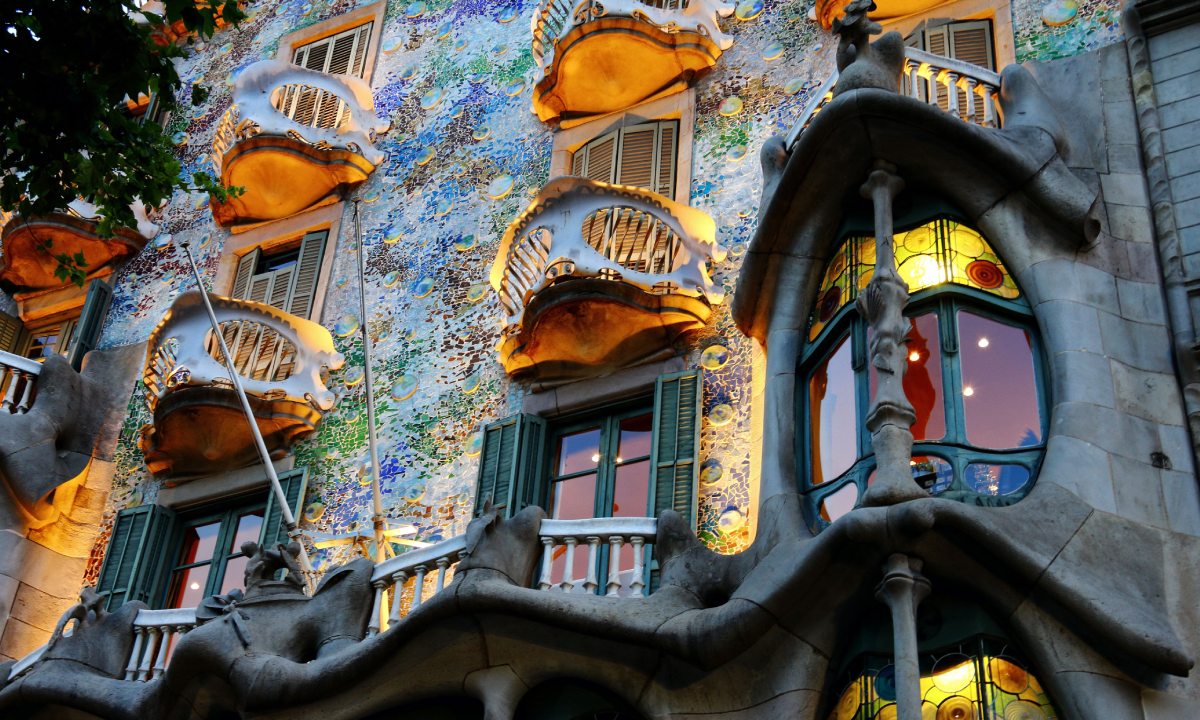 There’s a point in the late afternoon-early evening when Barcelona springs back to life.
If you happen to be in the city between late August and September you’ll find a number of cultural activities that take place during precisely these hours.
The Mies van der Rohe Foundation is transformed into an open-air cinema by means of Pantalla Pavelló, a film series that projects films directly onto the building’s travertine façade. The 2026 edition is dedicated to Barcelona and concludes on the 7th of September with Sis dies corrents, (Odd Job Men) by Neus Ballús, a film that explores the city through the daily lives of three workers. A great way to see Barcelona from a different perspective – quite literally.
The rooftop of Casa Batlló comes alive with music again throughout the month of September. The Magical Nights experience combines a tour of the building, a drink, and a rooftop concert featuring artists and genres ranging from jazz and soul to rumba, funk, and pop. There are concerts scheduled throughout the month, including Summer Lovers on the 3rd, La Mar de Rumba on the 12th, and Roger Padrós on the 18th..
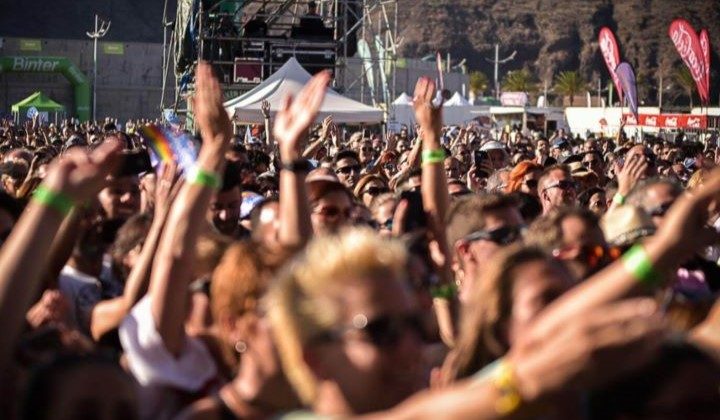
Should you fancy something a bit livelier, Brunch Electronik brings electronic music to the Jardins de Joan Brossa in Montjuïc. These are open-air events that start in the afternoon and go on until 10 pm and feature music, greenery, and views over the city. There are sessions scheduled for the 30th of August and the 5th and 13th of September.
On the 5th of September Poble Espanyol brings back the greatest hits of the 2000s with an afternoon and evening of open-air music. P-Tardeo Summer Sessions starts at 6 pm and continues until midnight in a setting that’s well worth exploring even before the music begins.
5. A day trip out of Barcelona: nature and water
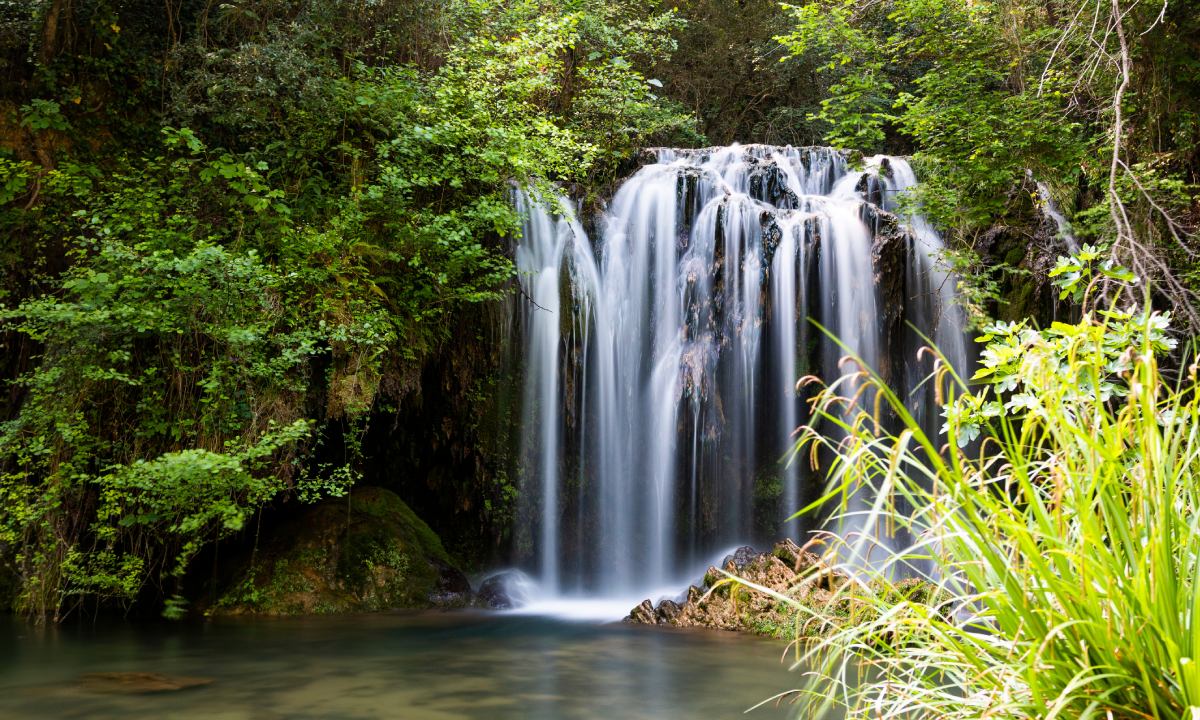
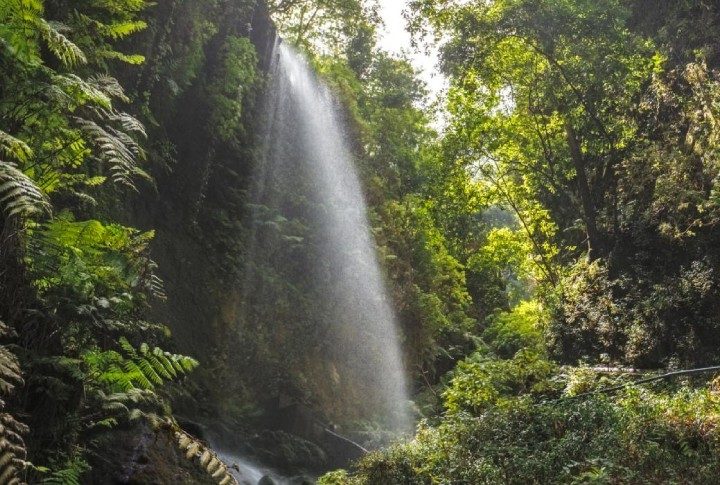
And should you be looking for a complete change of scenery, the areas around Barcelona offer another way to enjoy the summer. Woodlands, rivers, small waterfalls, and natural areas make it possible to spend a day out of the city and be back in town by late afternoon.
Gorg del Molí dels Murris
: Located in Les Planes d’Hostoles in the province of Girona, this picturesque spot stands out for its crystal-clear waters and woodland surroundings.
This is an ideal choice for those wishing to combine a day trip with a chance to enjoy nature and, if access and swimming conditions allow, a swim in a setting that offers a radical change from Barcelona’s beaches. During the summer season, from the 24th of June to the 11th of September, advance booking is required, and the approximate journey time by car from Barcelona is 1 hr 20 mins.
Les Dous de Torrelles
: Closer to Barcelona is Les Dous de Torrelles, a picturesque location surrounded by greenery where springs, shade, and natural surroundings create the perfect spot for kicking back for a few hours. A simple way to swap the urban landscape for a more peaceful setting without having to travel too far, the approximate journey time by car from Barcelona is 1 hour.
Riera de Merlès
: The Riera de Merlès is one of those places that many locals include in their summer plans. The river winds its way through a landscape of woodland and small natural pools, with footpaths and areas designed for enjoying a day out in the countryside. The approximate journey time by car from Barcelona is 1 hour 15 minutes.
For any of these day trips it’s important to check the links provided in this article before you set off. That way you be able to find out access conditions, any current restrictions, and whether swimming is permitted. During the summer months situations may change depending on weather and environmental conditions.
6. There’s still time to enjoy the summer.
Although August is drawing to a close, there are still a few weeks of summer left in Barcelona.
You can still enjoy mornings on the beach, afternoons by the pool, dinners on terraces, and quiet strolls when the sun allows it. There’s still time for long nights and getaways into the countryside, and days when you can leave the hotel without knowing exactly where you’ll end up.
If you’re looking to be close to the Mediterranean, the Barcelona Princess puts you right on the coast, with the beach, pool, and skyline all forming part of the experience.
If you’d prefer to wake up in the city centre and head straight out to explore the city, the Negresco Princess offers this advantage, as Barcelona practically starts on your doorstep, and you can always pop back up to the rooftop when you need a break.
Two type of accommodation. Two ways to experience Barcelona.
7. FAQs — It’s still summer in Barcelona
Is it a good idea to visit Barcelona in August?
Absolutely. August is one of the hottest months of the year, but it’s also one of the best times to enjoy the Mediterranean, the beaches, the terraces, the pools, and outdoor activities. The key is to adapt the rhythm of your day by making the most of the early morning hours, taking a break during the hottest part of the day, and heading out again in the evening.
Is it too hot in Barcelona in the summer?
Temperatures can be high, particularly in July and August, and the humidity can make it feel even hotter. Even so, it’s easy to adapt your plans: set off early, seek out the shade, visit cultural attractions during the hottest part of the day, and save walks, the beach, and outdoor cafés for when the sun goes down.
What is there to do in Barcelona when it’s really hot?
A morning on the beach can be combined with a few hours by the pool, a cultural visit, or a break at one of the city’s climate shelter venues. Museums, libraries, cultural centres, parks, and gardens all offer alternatives for continuing to explore Barcelona without spending the hottest hours of the day outdoors.
Where can I find climate shelters in Barcelona?
Barcelona has an extensive network of climate shelters spread across its various neighbourhoods. These include libraries, community centres, parks, gardens, and other cultural spaces.
The CCCB, in the Raval, is operating as a climate refuge until the 13th of September 2026 and features rest areas, shaded spots, drinking fountains, and air-conditioned spaces. You can also combine your visit with exhibitions and a cultural programme.
What are the best beaches in Barcelona to visit in the summer?
Mar Bella, Llevant Beach and Barceloneta are some of the best-known city beaches. Barceloneta is the most central, whilst Llevant and Mar Bella allow you to enjoy the Sant Martí coastline and combine a day at the beach with a stroll around the Forum area.
What is there to do in Barcelona in the afternoon and evening during the summer?
When the heat subsides, Barcelona comes back to life. This is a great time to take a stroll through El Born, the Eixample, or La Barceloneta, head down to the sea, climb Montjuïc, find a terrace, or enjoy an outdoor concert or cultural event.
The long nights are also one of the best things about summer in the city.
Is it possible to visit Barcelona without a car?
For sure. The metro, bus, tram and train networks makes it easy to get around Barcelona and travel to other parts of Catalonia. What’s more, many neighbourhoods and places of interest are close enough to explore on foot.
For a city-centred stay, you don’t need a car. However, if you’d like to go on a nature excursion, some of the options require a car or combinations of public transport.
What day trips can you go on from Barcelona in the summer?
The area around Barcelona offers plenty of opportunities for swapping the urban landscape for nature. These include the Gorg del Molí dels Murris, Les Dous de Torrelles, and the Riera de Merlès.
These are all great options for anyone looking to spend a few hours amongst woodland, rivers, and other bodies of water during the warmer months.
Is it possible to go for a swim in the natural areas near Barcelona?
That depends on the location and the conditions at the time. Some natural areas have bodies of water where people have traditionally gone swimming, but conditions may change for environmental, safety, conservation or fire risk reasons, so before you set off it’s always advisable to check whether access is permitted and whether swimming is allowed.
Where should I stay in Barcelona during the summer?
That depends on the sort of holiday you’re looking for.
Barcelona Princess is a good choice if you want to be close to the Mediterranean and combine the beach, the pool, the rooftop, and walks along the seafront.
Negresco Princess, in the centre of town, is particularly convenient if you want to explore the city on foot, as historic neighbourhoods, restaurants and cultural venues are all nearby. It also has a pool and a rooftop terrace where you can relax.
How long does summer last in Barcelona?
Summer officially ends on the 23rd of September 2026, so even though August is drawing to a close, there are still several weeks left to enjoy the beaches, pools, terraces, outdoor activities, summer evenings, and nature getaways around the city.
Categories: Barcelona


Leave a Comment