

















RESPONSIBLE TRAVEL: HOW TO EXPLORE BARCELONA IN A MORE SUSTAINABLE WAY.

Travelling is also about making choices. Choosing how we get around. Which places we visit. Where we eat. What we consume. What sort of experiences we look for. And also where we decide to stay.
Sustainability is no longer a trend reserved for a few select travellers. More and more people want to discover new destinations while striving to reduce their impact by seeking experiences that respect the environment, the local culture, and the lives of their destination’s inhabitants.
Barcelona offers plenty of opportunities to do just that, and September and October are a great time to discover them. After the busy summer months, the city gradually returns to its usual rhythm, temperatures remain pleasant, and the travel experience combines culture, gastronomy, the sea, and city life, all at a more gentle pace.
Sustainable travel begins with how you get around.
One of the simplest ways to reduce the environmental impact of a trip is also one of the best ways to explore Barcelona: walking. Exploring the streets on foot allows you to discover local shops, squares, markets, buildings, and hidden corners that would easily go unnoticed from a car, while enabling you to create a mental map of the area.
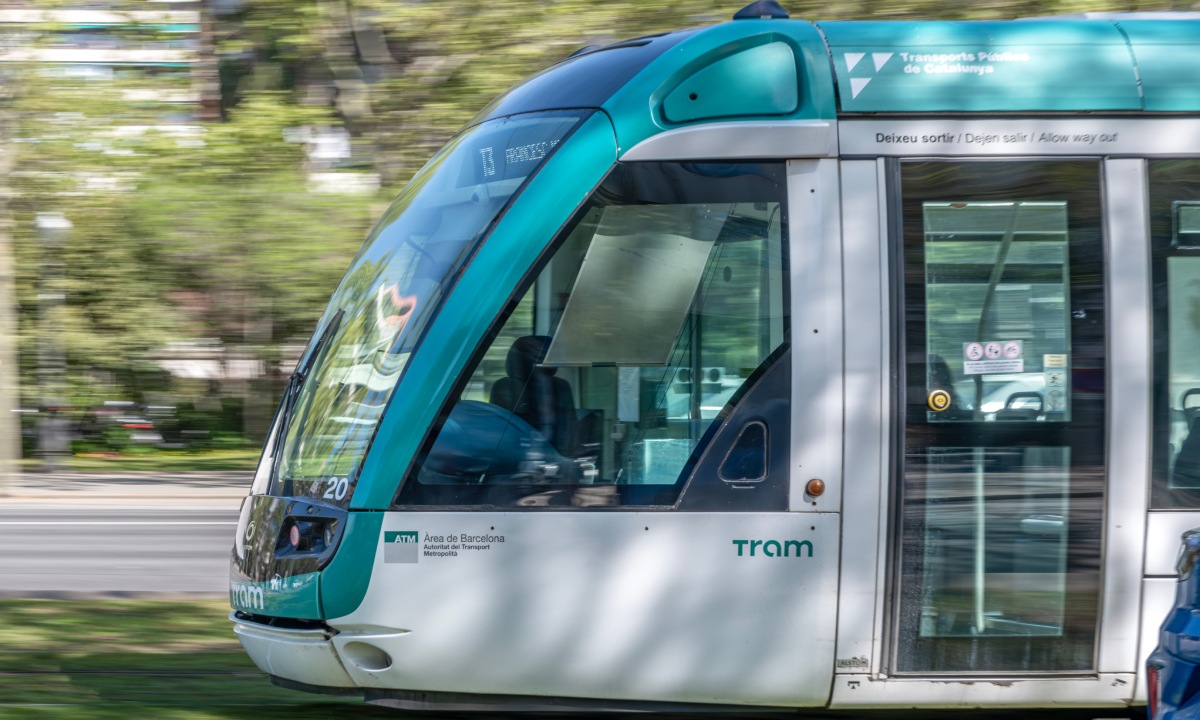
And if the distances are greater, Barcelona has an extensive public transport network as well as other options, such as cycling. The metro, bus, tram and train allow you to get around the city and connect different neighbourhoods without the need for a private vehicle.
In fact, the city itself encourages visitors to explore Barcelona on foot, by bike, and on public transport as part of a more responsible visit. The idea is simple: fewer unnecessary journeys, and taking in more of the city along the way.
Discover Barcelona in a more sustainable way

Travelling outside the peak season contributes to more responsible tourism. During September and October, Barcelona offers the opportunity to enjoy less crowded beaches, the terraces take on a more relaxed ambience, and getting around the city is much more comfortable.
What’s more, choosing this time of year helps to spread tourism more evenly, benefiting both visitors to the city and the locals.
In September temperatures remain pleasant, and the city combines the end of the peak summer season with a return to its cultural, culinary, everyday existence.
This is also a great time to make plans that don’t involve travelling far: strolling through the Eixample, walking along the seafront promenade, exploring markets, sitting at an outdoor café, or spending your afternoons familiarising yourself with Barcelona’s neighbourhoods.
Sustainability is also about venturing beyond the most popular spots to discover those little hidden gems, supporting local businesses, and approaching the city from a perspective that is more respectful of its residents..
For some years now Barcelona has been working to establish itself as a responsible tourist destination by combining low-impact transport, green spaces, culture, locally sourced cuisine, and a range of tourist attractions that reflect a commitment to the environment.
Accommodation is an important part of sustainable travel.

When we think of sustainable tourism, we tend to picture electric public transport, recycling, or buying local goods. However, accommodation also plays a key role, as it forms part of the environmental footprint left by any traveller, which is why choosing where to stay should be a conscious decision.
Efficient resource management, waste reduction, responsible consumption, local suppliers, energy-saving measures, and social responsibility initiatives are just some of the areas in which a hotel can work to reduce the impact of its operations.
Choosing hotels that are committed to efficient resource management allows travellers to reduce the impact of their trip without compromising on comfort, design, or a premium experience. More and more travellers are seeking out establishments that integrate responsible practices as part of their philosophy in an effort to demonstrate that sustainability and hospitality can go hand in hand..
At the Barcelona Princess and Negresco Princess hotels a commitment to sustainability is a key element in our approach to hospitality, and both hotels hold ISO 14001 certification in recognition of their committent to a sustainability-focused management model. The Barcelona Princess also holds EMAS certification.
Enjoy Barcelona whilst looking after the Mediterranean.
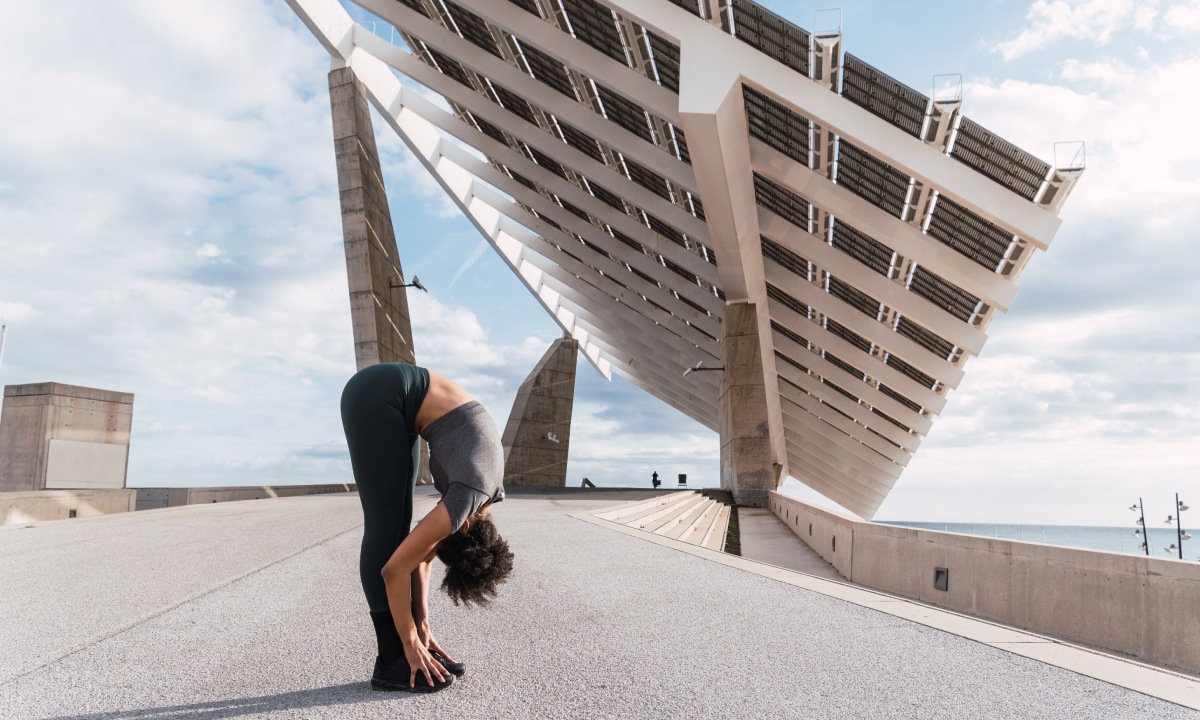
At the Barcelona Princess the connection with the surrounding area begins with its very location right on the Mediterranean coast, meaning guests can combine exploring the city with moments by the sea.
From the Barcelona Princess guests can stroll along the seafront, head to the Fòrum, explore the Poblenou area, or travel to other parts of the city by public transport, as there is a tram stop right outside, a metro station one block away, and bus stops and taxi ranks just a few metres away. You can also hire an electric or standard bicycle from Guest Services at reception.
Sustainability is also a key feature within the hotel, and the Barcelona Princess has a long history of supporting initiatives promoting responsible consumption and sustainable gastronomy. These include its 360º Princess & You Sustainable project, which promotes locally sourced produce, fair trade goods, and suppliers with a committment to social responsibility criteria.
At the end of the day, enjoying the Mediterranean also involves caring for the environment that makes it possible.
Explore Barcelona on foot.

The location of the Negresco Princess allows visitors to explore much of Barcelona without having to drive or use public transport. You can set off on foot from the hotel to visit some of the city’s most iconic neighbourhoods, buildings and landmarks, transforming your walk into a more leisurely, sustainable way of discovering the city.
Just a few minutes’ walk away is Passeig de Gràcia, one of the main hubs of Catalan Modernisme. This walk takes you past buildings such as Casa Batlló, Casa Amatller and La Pedrera, as well as giving you the chance to explore the Eixample and the distinctive urban layout designed by Ildefons Cerdà. This route is particularly recommended for those who want to discover Barcelona’s architecture whilst enjoying its streets, shops, and cafés.
From the hotel you can also walk to the Barrio Gótico, taking in Plaça Catalunya on your way to the historic city centre. This route also features Barcelona Cathedral, the old Jewish quarter, Plaça Sant Jaume and Plaça del Rei. so in just few streets you can retrace several centuries of history, from the ancient Roman city of Barcino to medieval Barcelona.
Another option is to head towards the Arc de Triomf and El Born, taking in Passeig de Sant Joan and the Parc de la Ciutadella. This route combines architecture, green spaces and historical heritage, ending in one of the city’s neighbourhoods with the strongest sense of cultural identity, home to places such as Santa Maria del Mar, small shops, galleries, and local eateries.
Choosing to walk whenever possible is a simple gesture that can form part of a more responsible way of travelling. As well as being the most direct option, it allows you to explore the city at a different pace, support local businesses, and take in details that are easily overlooked when travelling by car.
Guests at the Negresco Princess will find many of Barcelona’s attractions literally on their doorstep. All that’s needed are a pair of comfortable walking shoes, a bit of time, and the desire to explore the city on foot.
Sustainability at the table.
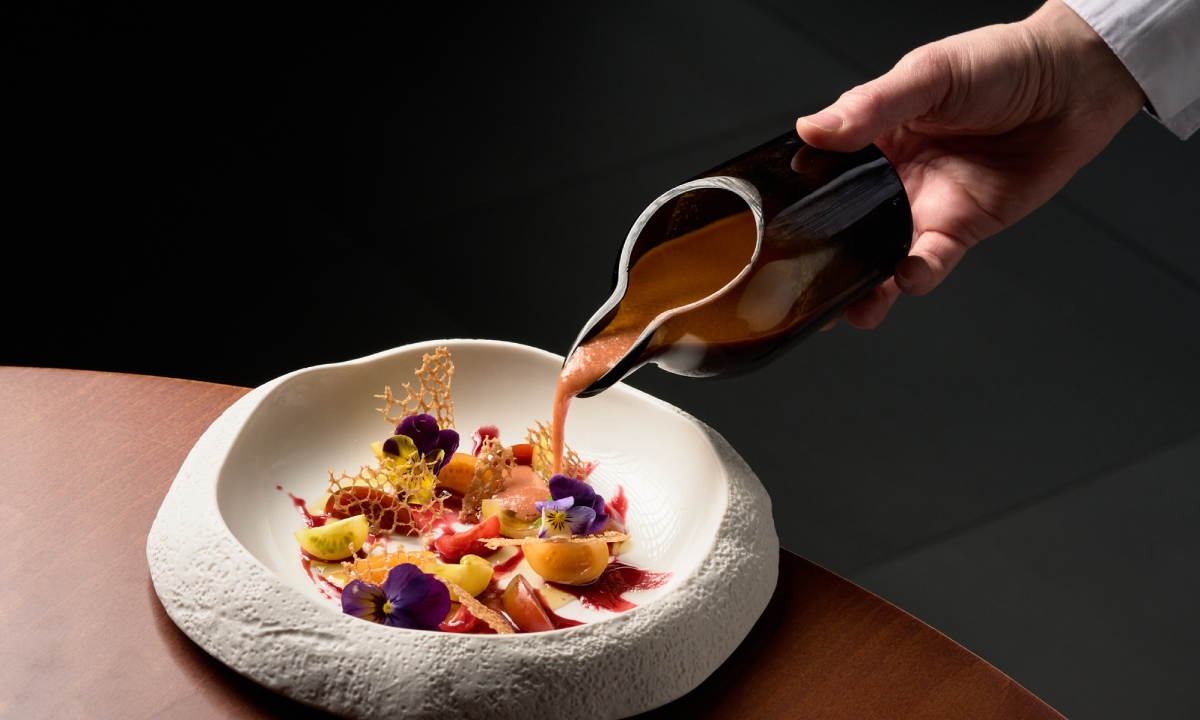
Another decision that has an impact on any trip is choosing what we eat. Choosing local, seasonal produce allows us to experience the destination’s cuisine while supporting local producers and suppliers.
At the Barcelona Princess and Negresco Princess hotels this commitment is also reflected in initiatives aimed at reducing food waste.
Both hotels support the ‘Love Food, Stop Waste’ initiative, which focusses on encouraging more mindful consumption and reducing food waste while incorporating local, seasonal, and fair-trade produce.
Because sustainability can also start with something as simple as serving ourselves only what we’re actually going to eat.
How to make your trip more sustainable: little things that make a difference
We don’t need to completely change the way we travel in order to make it more sustainable, but we can start by making some simple choices:
- Walk whenever we can.
Barcelona is a city best explored on foot.
- Use public transport.
The underground, buses, trams, and trains make it easy to get around the city without relying on a car.
- Carry a reusable bottle.
A small gesture that helps reduce waste while travelling.
- Choose local, seasonal produce.
Visiting a market or sampling the local cuisine is also a way of getting to know your destination.
- Consume more mindfully.
From the amount of food we serve ourselves, to our use of water and textiles during our stay, small actions can reduce our impact.
- Explore places other than the main attractions.
Exploring lesser-known neighbourhoods and areas of the city helps spread tourist activity more evenly while offering visitors an insight into everyday life in the city.
FAQ — Sustainable travel in Barcelona
Why are September and October good months to visit Barcelona?
Because temperatures are still pleasant, the city is getting back into its usual rhythm after the summer, and it’s a good time to explore Barcelona at a more leisurely pace, on foot, and by public transport.
How can I tell if a hotel is truly sustainable?
Look for specific information on their environmental and social practices and, where possible, independent certifications. Some of the key indicators include efficient energy and water management, waste reduction, responsible consumption, and local sourcing.
The Barcelona Princess and Negresco Princess hotels, for example, have attained Biosphere Sustainable Lifestyle certification, which recognises their committent to a sustainability management plan and their contribution to the Sustainable Development Goals.
What does it mean for a hotel to have a sustainability certification?
It means that the establishment has been assessed against specific sustainability criteria by a specialist organisation. Independent certifications help to distinguish verified initiatives from mere statements of commitment.
What sustainable practices should a hotel adopt?
Some of the most common practices include energy efficiency, water saving, waste reduction, the elimination of single-use products, and the use of local or responsibly sourced products.
How can I make my stay at a hotel more sustainable?
Small gestures during your stay can make a big difference: reuse towels where possible, use water and energy responsibly, reduce your use of disposable items and, in particular, avoid wasting food at breakfast by only helping yourself to what you’re actually going to eat.
At the Barcelona Princess and Negresco Princess hotels this commitment is also reflected in the dining experience through the Love Food, Stop Waste initiative, which focusses on reducing food waste and promoting more mindful consumption… because making better use of resources is also part of travelling more responsibly.
Is staying in a city-centre hotel more sustainable?
Your choice of location can affect your travel experience. Staying close to the main places you want to visit reduces the amount of travelling you need to do and makes it easier to get around the city on foot or by public transport.
Is it easy to get around Barcelona without a car?
Very. Barcelona has an extensive public transport network and is a city that is particularly well suited to exploring many of its neighbourhoods and main attractions on foot. Opting for these options helps to reduce reliance on private cars.
Does eating locally sourced produce make a trip more sustainable?
Choosing local and seasonal produce can reduce the distance goods have to be transported and, at the same time, support the local economy. It also allows you to gain a better understanding of the destination’s cuisine and culture.
How important is it to reduce food waste while travelling?
Food is an integral part of any holiday experience. Choosing what we’re actually going to eat, avoiding serving more food than is necessary, and supporting establishments that work to reduce waste are simple ways of travelling more responsibly.
Where should you stay in Barcelona if you want to travel more sustainably?
The Barcelona Princess and Negresco Princess hotels offer two different ways to discover the city: the Barcelona Princess allows you to enjoy the Mediterranean while staying within easy reach of other parts of the city, while the Negresco Princess, located in the Eixample district, is ideal for exploring much of the city centre on foot. Both hotels incorporate sustainability into all their operations.
Categories: Barcelona


Leave a Comment