









La Palma in 7 days: the complete route to discover the Isla Bonita
La Palma captivates from the very first moment. Known as the Isla Bonita, this island packs volcanoes, laurel forests, world-class stargazing skies and a coastline of beaches and natural pools into just over 700 km². This 7-day La Palma route takes you from north to south at an easy pace, blending active nature with proper downtime.
La Palma in 7 days: itinerary at a glance
Day 1 – Santa Cruz de La Palma – History and architecture
Day 2 – North – Forests and natural pools
Day 3 – Caldera de Taburiente – Hiking and volcanic scenery
Day 4 – West – Los Llanos, Tazacorte, and the Atlantic coast
Day 5 – South – Volcanoes, salt pans and beaches
Day 6 – Roque de los Muchachos – Summits and stargazing
Day 7 – Free time – Beach, food or one last excursion
Day 1 – Santa Cruz de La Palma and the east of the island
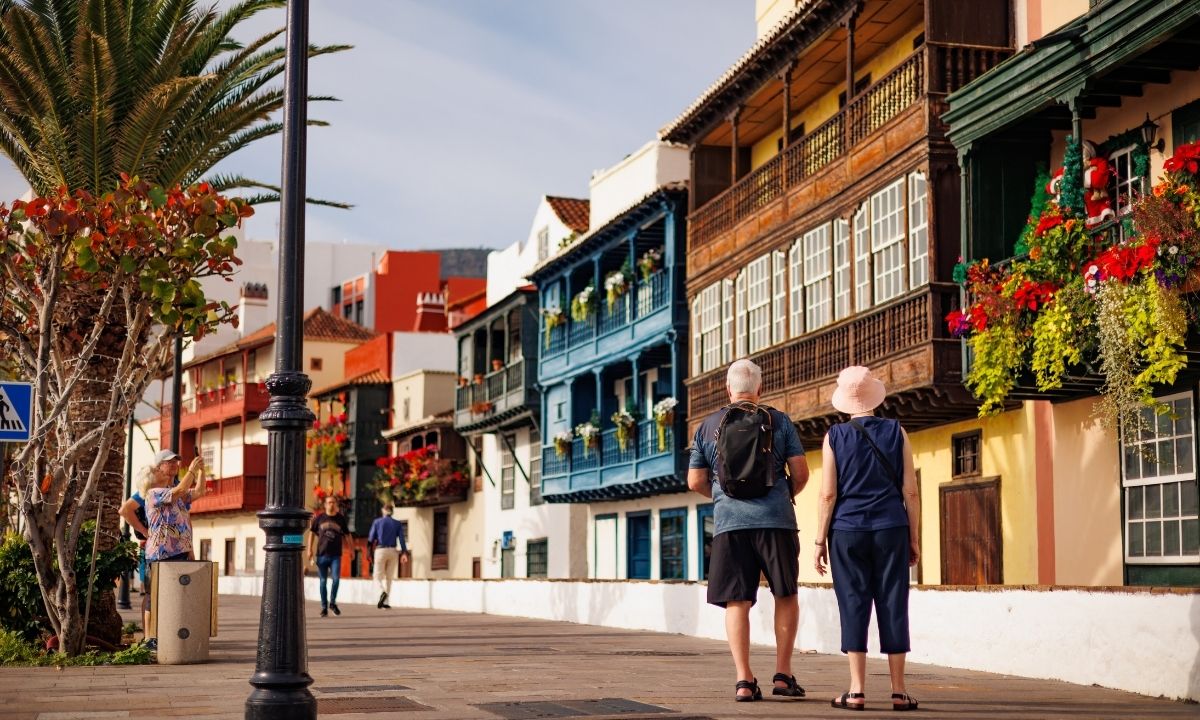
Santa Cruz de La Palma
The historic centre of Santa Cruz is one of the best preserved in the Canary Islands. Wander along Calle Real, take a moment to admire the carved wooden balconies typical of traditional Canarian architecture, and stop at Plaza de España, the Renaissance town hall and the Church of El Salvador. A gentle morning that sets the tone for the whole island.
Breña Alta and Breña Baja
A few kilometres from the capital, these two towns offer a landscape of banana plantations and pine trees rolling gently down to the sea. A pleasant, unassuming afternoon drive that reveals the rural character of the island’s east.
Playa de Los Cancajos
Round off the day at Los Cancajos, the liveliest stretch of coast in the east. Its dark sand beach has calm waters, perfect for a first swim, and there are plenty of good places to eat nearby once the day is done.
Day 2 – Forests, natural pools and the north coast
Bosque de Los Tilos
Bosque de Los Tilos Biosphere Reserve is one of the finest examples of preserved laurel forest anywhere in the world. Its trails wind through tree ferns, moss and centuries-old trees, creating a cool, shaded atmosphere that stands in real contrast to the rest of the Canary Islands. Pack a light jacket, even in summer.
San Andrés y Sauces
The village of San Andrés y Sauces is the gateway to La Palma’s rural north. Quiet and authentic, it’s worth a short stroll through the centre before heading down to the coast.
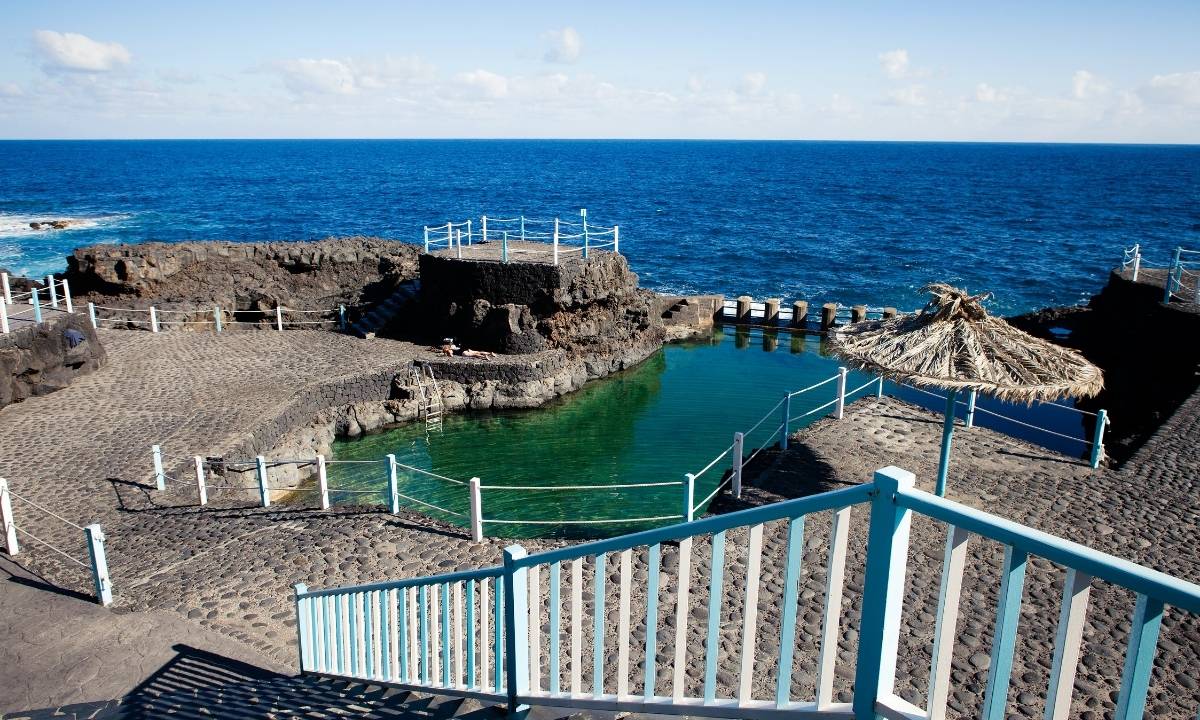
Charco Azul
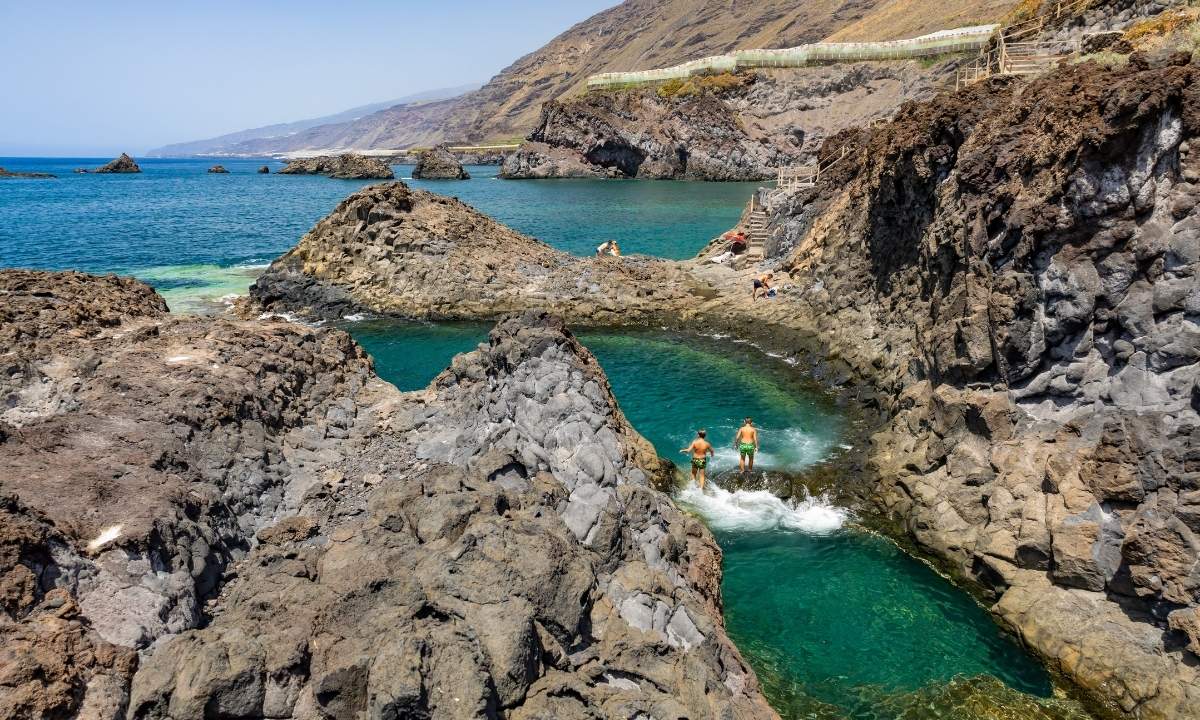
A natural pool sheltered by volcanic rock, where the water is always calm. It’s especially well suited to families and anyone who’d rather swim without any swell. Set between black rock and open sea, it’s a hugely photogenic spot.
La Fajana
Just a short distance from Charco Azul, La Fajana offers a similar experience with uninterrupted views out over the Atlantic. Both pools have free access and are among the most visited spots in the island’s north.
Day 3 – Caldera de Taburiente National Park
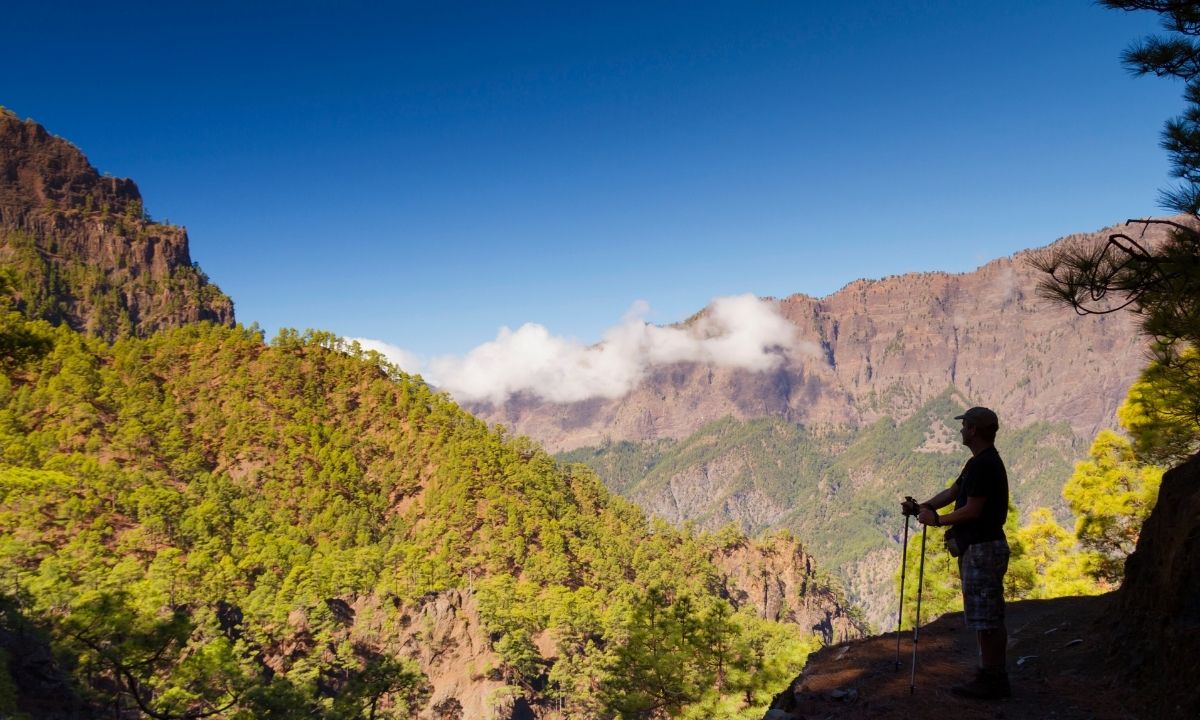
Caldera de Taburiente is the geological heart of La Palma: an erosion crater almost 8 kilometres across, ringed by vertical walls that rise over 2,000 metres. It deserves a full day.
If you’re in good physical shape, the route from Los Brecitos to Barranco de las Angustias makes for a 6–7 hour day through pine forests, ravines and the famous Cascada de Colores. For a more accessible option, the Mirador de La Cumbrecita offers a superb panoramic view of the crater with no extra effort required. Bear in mind that access by private vehicle requires a permit obtained in advance via the National Park website. Always carry water, food and proper walking boots.
Day 4 – West of La Palma: Los Llanos and Tazacorte
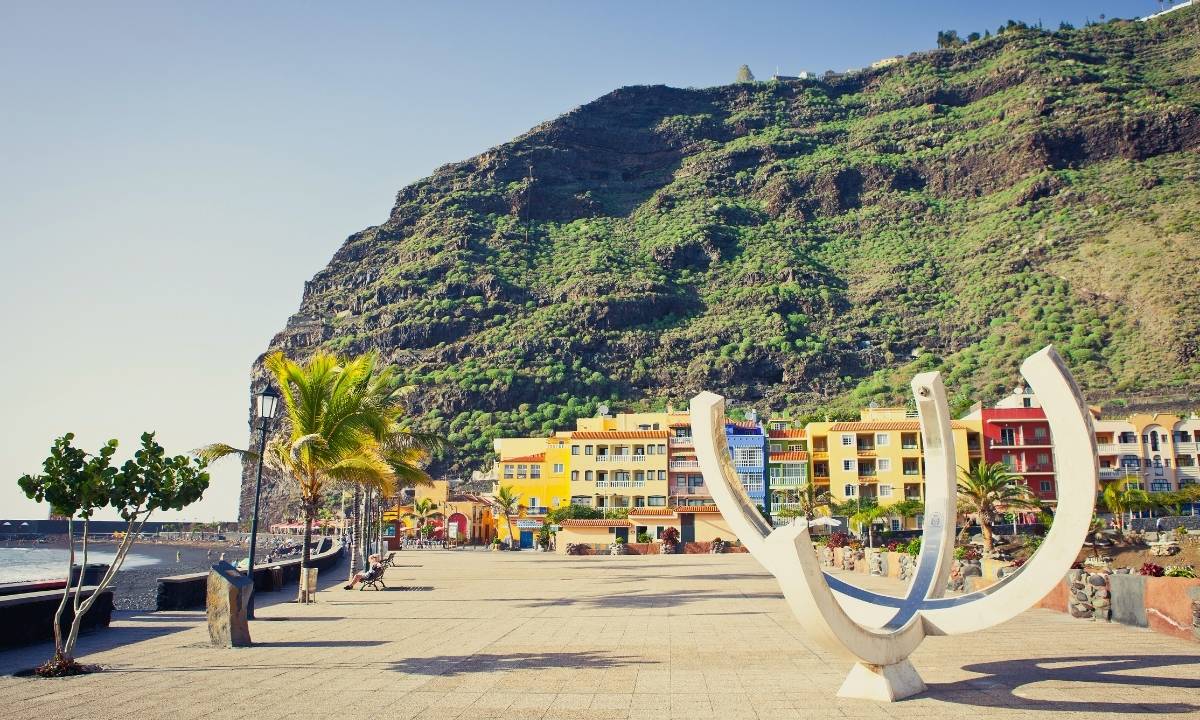
Los Llanos de Aridane
The island’s most populous town makes a pleasant stop to slow the pace down. Its Plaza de España brings together the best of the centre: bars, shops and the everyday Palmero atmosphere you won’t find at the main tourist spots.
Puerto Naos
The longest beach in the west, with dark sand and calm waters. The atmosphere is relaxed and swimming conditions are good all year round.
Tazacorte
A village with plenty of charm: cobbled streets, a church and a fishing harbour that’s well worth a stroll before sunset.
Playa de Tazacorte
Right next to the village, Playa de Tazacorte looks straight out over the Atlantic horizon. An excellent spot to watch the sunset and close out the day.
Day 5 – Volcanoes and southern landscapes
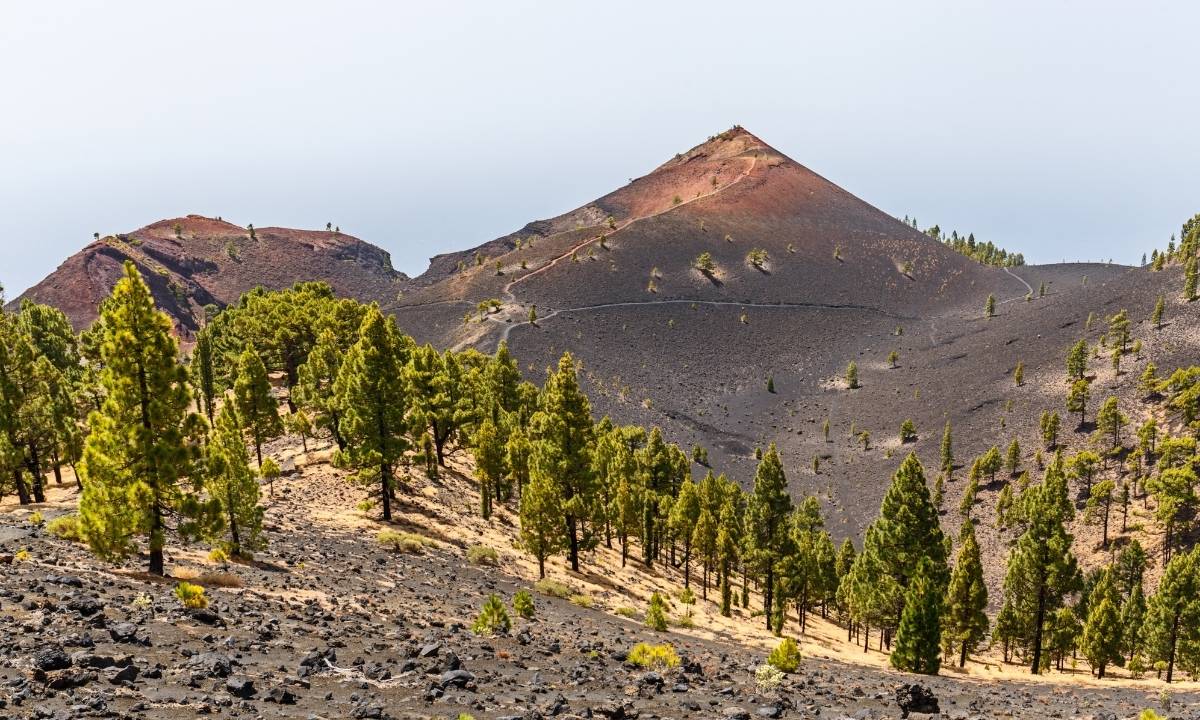
Ruta de los Volcanes
One of the Canary Islands’ most iconic trails runs along the southern ridge of the island, weaving between volcanic cones and lava flows with sea views on both sides. Medium-to-high difficulty; you can walk sections or tackle the full route depending on your fitness.
Volcán de San Antonio
Home to a visitor centre and a circular route around the crater, accessible to everyone. A great introduction to the volcanic geology of the island’s south.
Volcán de Teneguía
The youngest volcano on La Palma, last erupting in 1971. Walking across its black lapilli slopes is a geological experience that’s hard to forget.
Fuencaliente
The southernmost town on the island, with a relaxed atmosphere and a good selection of local wineries where you can try Palmero wine and ron miel.
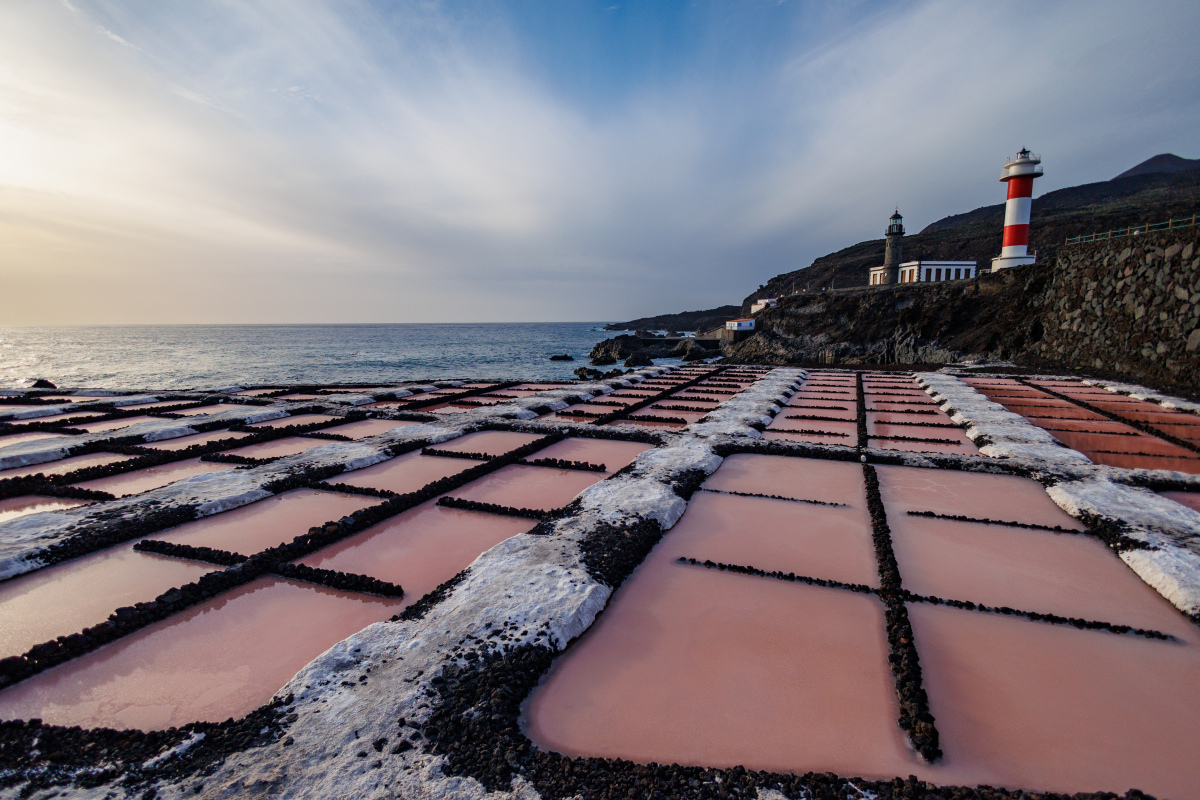
Salinas de Fuencaliente
A protected natural area where salt is still harvested by hand, and seabirds nest every season. The contrast between black lava, white salt pans and blue sea makes for one of La Palma’s most distinctive landscapes.
Playa de Echentive
Formed by the Teneguía lava flow, this is one of the island’s few light-sand beaches. A truly special way to end the day at La Palma’s southern tip.
Day 6 – Roque de los Muchachos and La Palma’s night sky
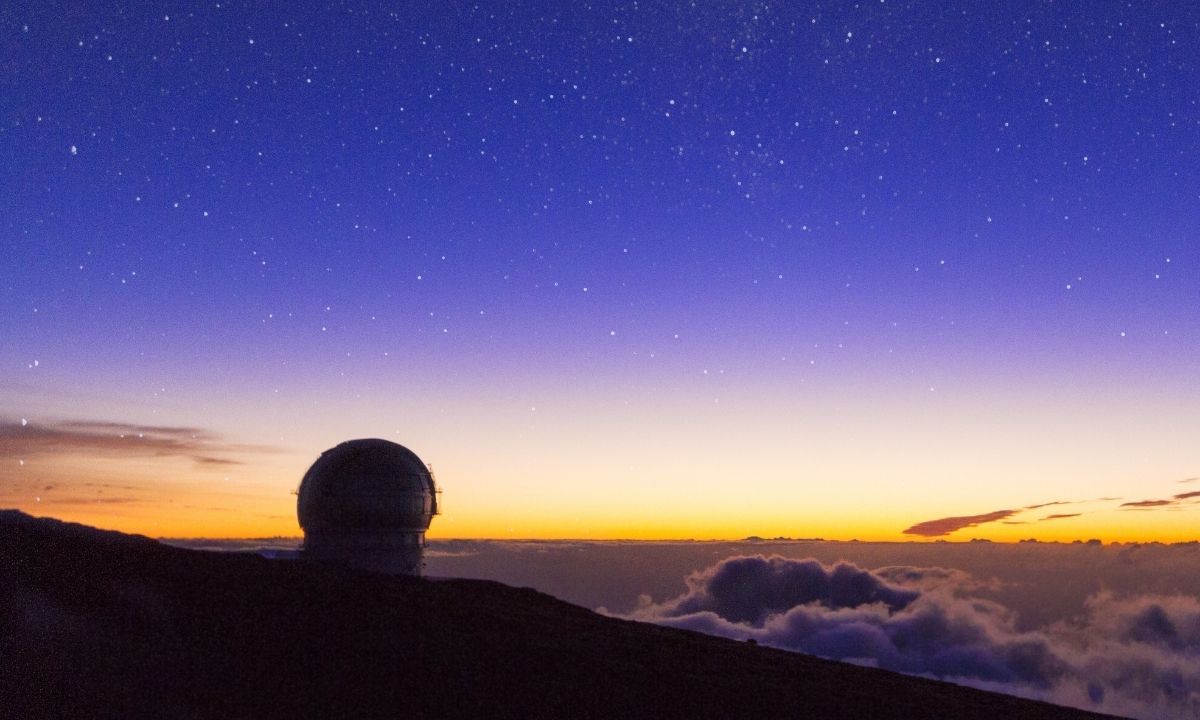
Roque de los Muchachos
At 2,426 metres above sea level, La Palma’s highest point offers views that, on clear days, reach as far as Tenerife, La Gomera and El Hierro. Set off early to beat the mid-morning cloud and bring warm clothing: temperatures at the summit can drop below 10°C even in summer.
Summit viewpoints
Several miradores line the access road to the Roque, each offering a glimpse into the Caldera de Taburiente from the north side. Every bend brings a fresh perspective on the volcanic landscape.
Roque de los Muchachos Observatory
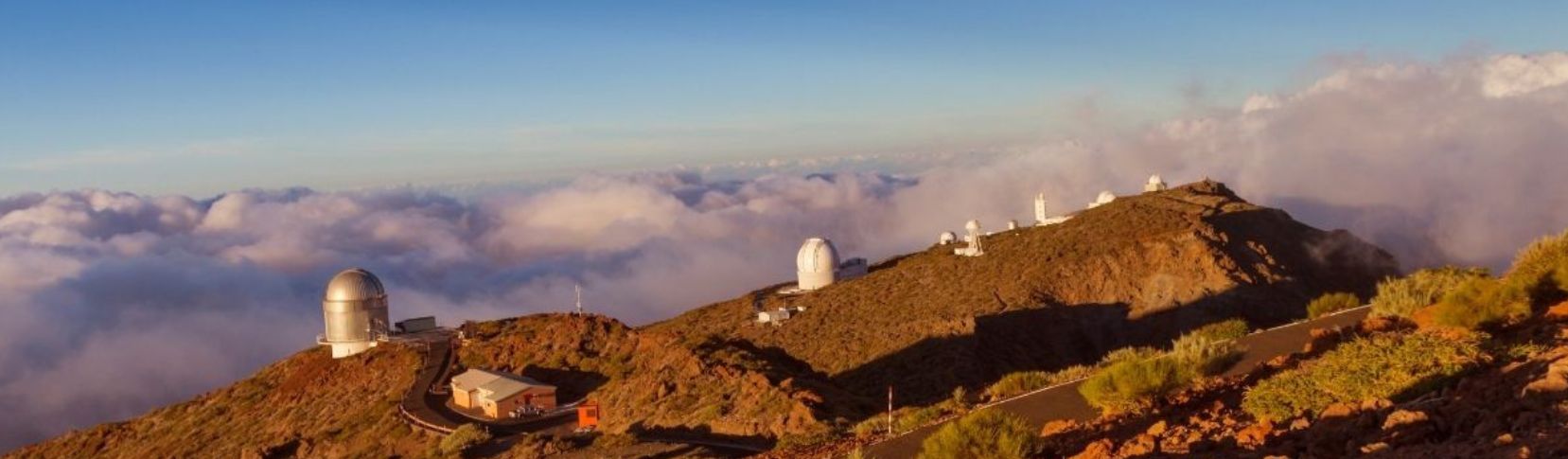
At the summit sits one of the world’s most important astrophysical observatories, its telescopes probing the universe thanks to the island’s exceptional atmospheric conditions.
Stargazing in La Palma
La Palma holds Starlight Reserve status thanks to its remarkably low light pollution, among the lowest in Europe. If your trip allows, book a night-time stargazing excursion for this evening: watching the Milky Way from the summit is an experience that’s hard to beat.
Day 7 – Villages, coast and time to choose
The seventh day has no fixed plan. After an intense week, it’s best left open, guided by your mood and however much energy you have left. A few ideas:
- Beach: Los Cancajos, La Zamora or Tazacorte for one last relaxed swim.
- Nature: the El Cubo de la Galga trail, through laurel forest, is short and easy-going – perfect for an undemanding morning.
- Culture: the Museo Insular or Casa Roja in Santa Cruz, a fitting way to close with a dose of Palmero history.
- Shopping and food: the market in Los Llanos, Palmero cheese, mojo, gofio and ron miel to take a piece of La Palma home with you.
Where to stay in La Palma for this route?
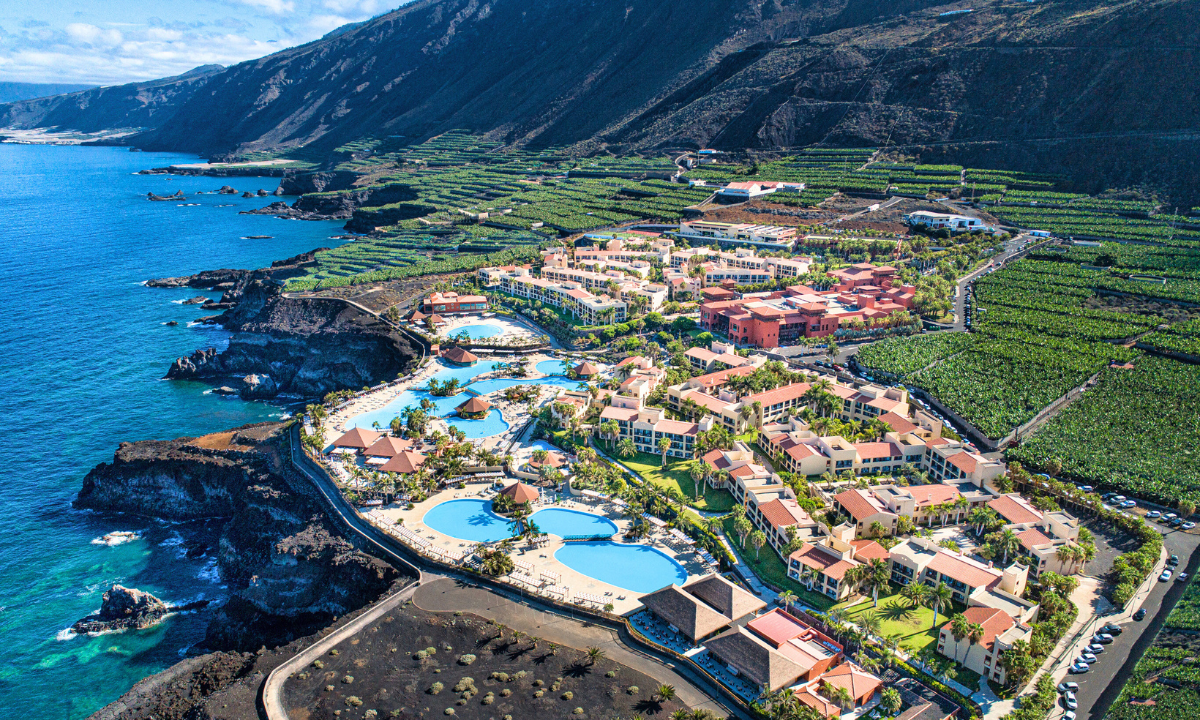
The south, well connected to the north, the west and the volcanoes, makes a great base for the week. La Palma Princess is the island’s leading resort: pools, restaurants, all-inclusive and activities for everyone, families included. For couples or adult travellers after something calmer, Esencia de La Palma by Princess (adults-only, 16+) offers an exclusive area with 4 pools, its own restaurant, sauna and Turkish bath within the same complex, alongside access to all the resort’s facilities. Having a good base to rest at between excursions is an essential part of this route.
Getting around La Palma
The most practical option is a hire car, giving you total freedom to explore at your own pace. The roads are good, if winding at the summit. Public transport connects the main towns but doesn’t reach every natural spot of interest. Organised excursions are a good alternative for specific days out, such as Caldera de Taburiente – where access by private vehicle requires a permit obtained in advance – or night-time stargazing.
Tips for planning your week in La Palma
- Book access to Caldera de Taburiente in advance if you want to do the inland route.
- Bring trekking boots for the mountain days and warm clothing for the summit.
- Always carry water and some food on longer routes: not all of them have places to stop and refuel.
- Check the weather forecast before heading up to the Roque: fog can roll in quickly.
- Allow extra time on mountain roads: they call for unhurried driving.
Convinced? Discover the Princess hotels in La Palma and choose whichever suits your trip best: all-inclusive for families or adults-only exclusivity in a truly unique natural setting.
Categories: Canaries, Travel Tips, La Palma


Leave a Comment