










The best beaches in La Palma: your guide to the finest spots for a swim on the Isla Bonita
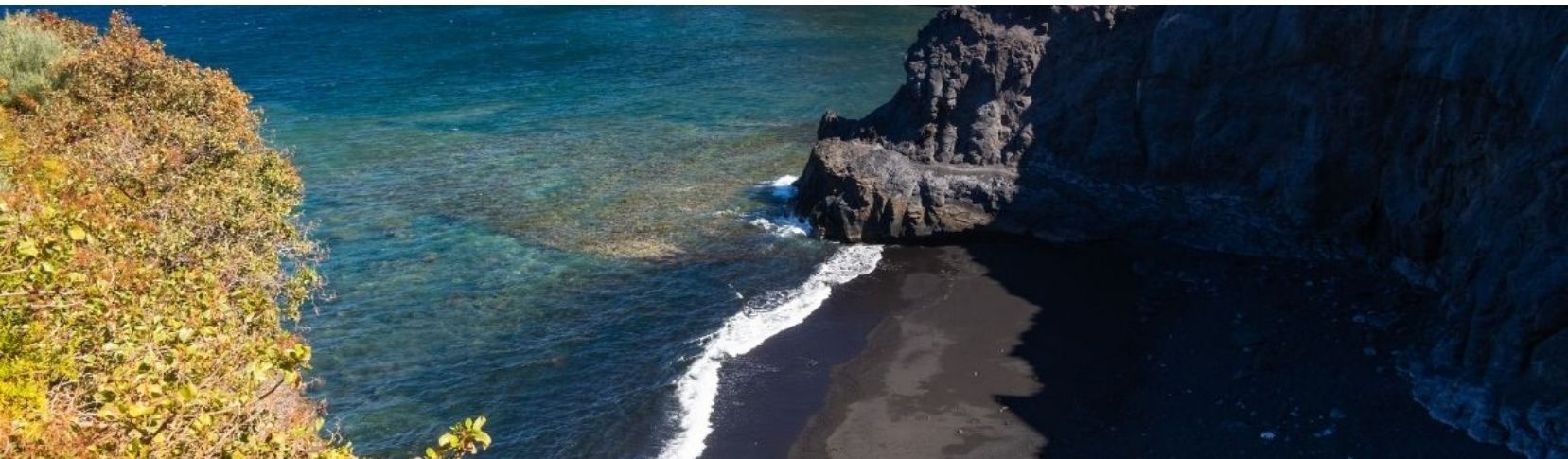
La Palma isn’t the Canary Islands’ most famous beach destination, and that’s exactly what makes it so special. Its volcanic coastline, where black sand meets the deep blue of the Atlantic, offers a very different experience to the crowded beaches found on other islands. If you’re looking for the best beaches in La Palma to enjoy without the crowds, in natural surroundings with excellent water quality, this guide brings together the finest options, beach by beach.
What are La Palma’s beaches like?
The first thing you’ll notice is the colour of the sand: black, sometimes almost silver, of volcanic origin. This shade is the island’s trademark, a direct result of its geological activity. The contrast with the turquoise water makes for some of the most photogenic scenery in the Canaries.
La Palma’s beaches are far less crowded than those on Fuerteventura, Gran Canaria or Tenerife. That means more tranquillity and better-preserved surroundings, although it also means some access points are demanding and facilities aren’t always complete.
The swell can be significant, particularly along the north coast. It’s essential to pay attention to the flags and Red Cross guidance: a yellow flag means caution, a red flag means real danger. If you’re heading onto rocky areas, water shoes will make your visit much easier.
The best beaches in La Palma
Playa de Los Cancajos
Located in Breña Baja, just minutes from the airport and Santa Cruz de La Palma, Los Cancajos is the island’s most accessible and best-equipped beach. Its bay is sheltered by a volcanic breakwater that keeps the water calm all year round, making it an excellent choice for families and for anyone keen to try snorkelling or take their first diving lesson. Marine life is abundant here and underwater visibility is notably good.
The beach has showers, restaurants and a tourist office. You can get there by car along the LP-2 from Santa Cruz, or by public bus on line 500.
Playa de Bajamar
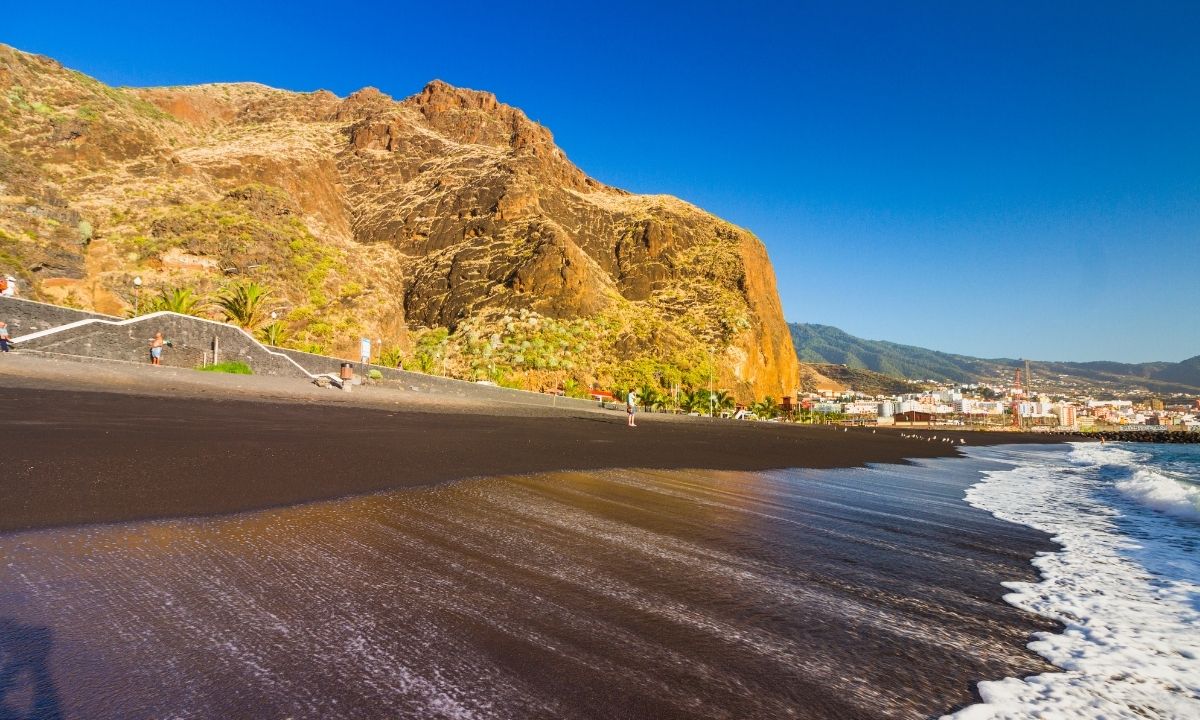
At the eastern tip of the island, very close to Santa Cruz de La Palma, Playa de Bajamar stretches for around 700 metres of black sand, with a seafront promenade running alongside it. It’s one of the beaches most frequented by locals throughout the year, giving it an authentic, everyday atmosphere. It holds a Blue Flag award and is one of the best spots on the island to watch the sunrise over the sea.
Playa de Tazacorte
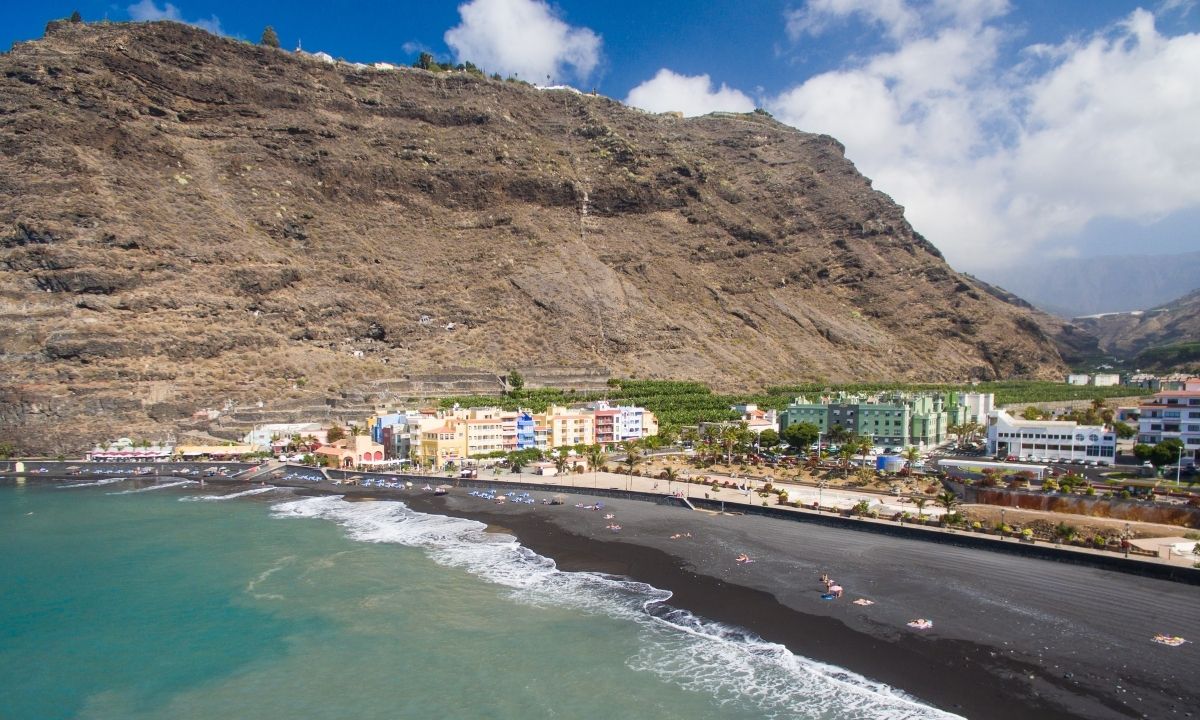
On the west coast, close to the port of the same name, Tazacorte combines fine black sand with generally calm water and a good choice of restaurants nearby. At around 500 metres long, it’s one of the island’s largest beaches and carries real historical weight: it was here that the first conquering expedition landed in the 15th century.
Playa de Nogales
For anyone after a wilder beach, Nogales is the reference point in La Palma. In Puntallana, in the island’s north-east, it can only be reached on foot: a well-marked 15-minute path winds down along the cliffside to a black sand beach enclosed by rocky walls. The scenery is stunning, but bear in mind the swell can be strong and the currents dangerous. There are no facilities. It’s the destination of choice for surfers, bodyboarders and lovers of untouched natural surroundings.
Playa de Echentive
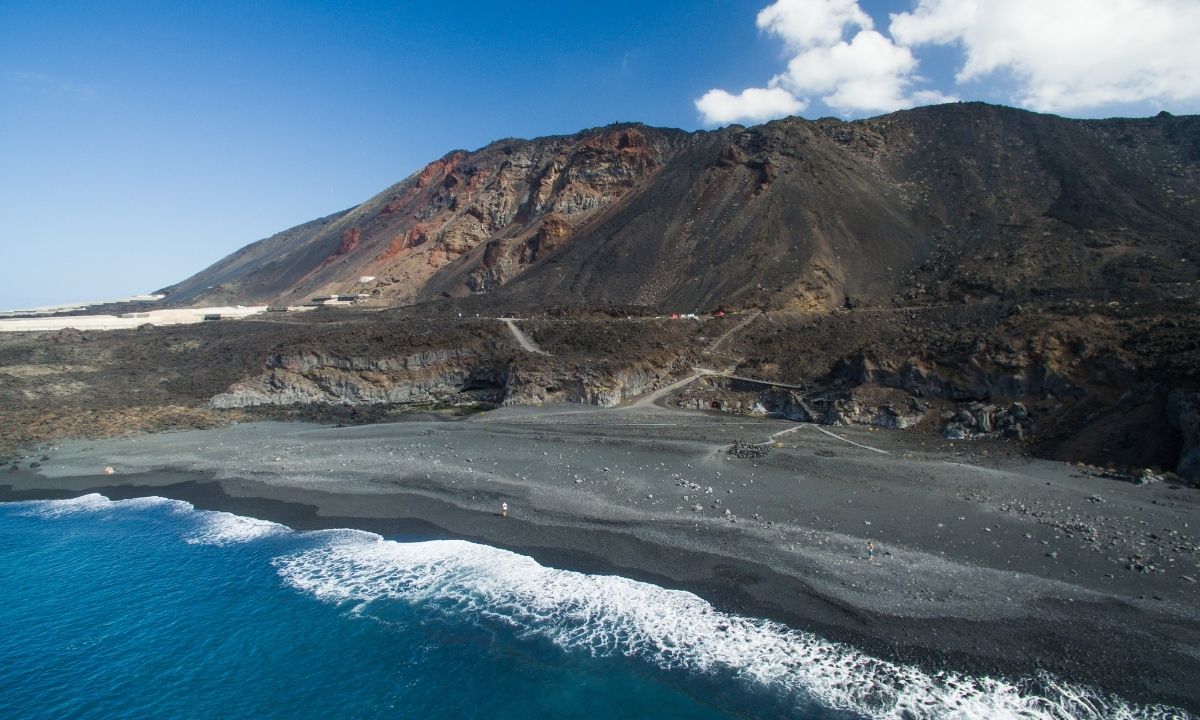
At the southern tip of the island, next to Fuencaliente, Echentive — also known as Playa Nueva — was formed by the eruption of the Teneguía volcano in 1971. Its main draw is the natural rock pools that formed among the lava rocks: crystal-clear green pools, free of any swell, ideal for families with children. Access is via the LP-209 from Los Canarios. The volcanic, historic surroundings, which include the remains of the Fuente Santa buried by the lava, add extra interest to a visit.
Playa de La Zamora
La Zamora is a small cove of fine black sand at the foot of a cliff, in the municipality of Fuencaliente. The car park is up on the clifftop, from where you walk down to the beach. The volcanic landscape and the banana plantations lining the road create a particularly striking visual contrast. It’s especially known for its sunsets, among the finest anywhere on the south of the island.
Playa de Charco Verde
Between Puerto Naos and El Remo, on the west coast, Charco Verde is a cove of around 250 metres where the water takes on green-blue tones that give the beach its name. It’s one of the best spots on the island for snorkelling, with rocky seabeds home to a varied array of marine life. There’s a small beach bar and the atmosphere stays relaxed even at the height of the season.
Playa de Puerto Naos
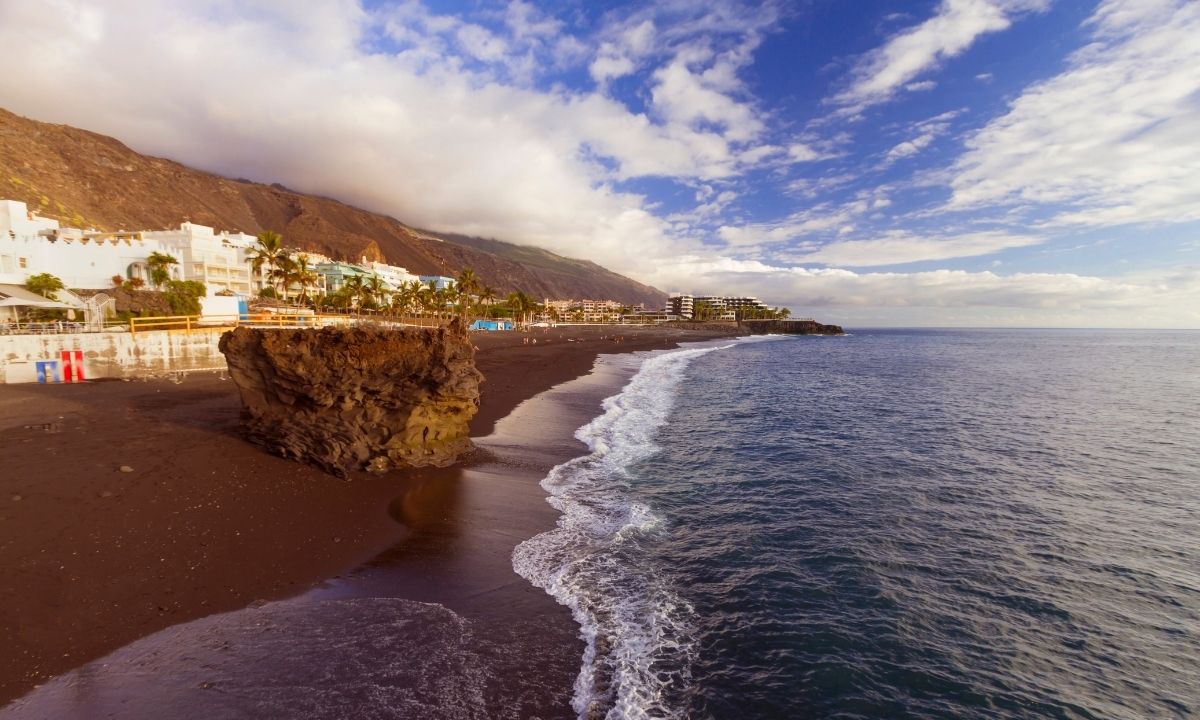
The largest beach in La Palma, at around 600 metres long, is gradually returning to normal following the Tajogaite eruption in 2021. It reopened progressively to the public from July 2024, with CO₂ sensors installed to monitor safety. It has a full range of facilities: showers, beach bars, a seafront promenade and lifeguards. In summer, it’s a solid choice for anyone looking for a fully equipped beach in surroundings that are steadily being restored.
Playa de Los Guirres
Located between Tazacorte and Puerto Naos, Los Guirres is a wilder beach where the swell tends to be more intense. There are no lifeguards, and the amount of sand varies with the season as the sea frequently reshapes it. It’s a popular spot for surfers and for anyone who prefers a quieter setting. It’s easy to reach by car from the main road.
Which beach should you choose, depending on your trip?
- Families with children: Los Cancajos for its calm water and full facilities; Echentive for its rock pools free of any swell.
- Snorkelling and diving: Los Cancajos and Charco Verde, with volcanic seabeds and good visibility.
- Surfing and bodyboarding: Nogales and Los Guirres, with more powerful waves and a wild setting.
- Sunsets and romance: La Zamora and Tazacorte, with ocean views from the west coast.
- Total escape: Nogales, only reachable on foot and with no facilities — for anyone wanting a beach with no interruptions.
- Easy swimming with full facilities: Bajamar in the east or Puerto Naos in the west, both fully equipped.
Map of the best beaches in La Palma
To help you plan your route, here are the island’s main beaches with their reference coordinates on Google Maps:
- Playa de Los Cancajos
- Playa de Bajamar
- Playa de Tazacorte
- Playa de Nogales
- Playa de Echentive
- Playa de La Zamora
- Playa de Charco Verde
- Playa de Puerto Naos
- Playa de Los Guirres
Practical tips for enjoying La Palma’s beaches
- Respect the flags. Swell and currents can be strong. Yellow flag means caution; red flag means don’t go in the water.
- Wear water shoes. On beaches with rocky seabeds or lava access points, water shoes are essential — especially at Charco Verde and Los Cancajos.
- Wear sun protection. The Canarian sun is strong all year round. Reapply sunscreen after every swim.
- Bring water and snacks. The wilder beaches (Nogales, La Zamora) have no facilities, so plan ahead.
- Respect your surroundings. Many of these beaches lie within protected areas. Don’t leave any litter behind and take care not to disturb the coastal flora and fauna.
Where to stay to explore the best beaches in La Palma
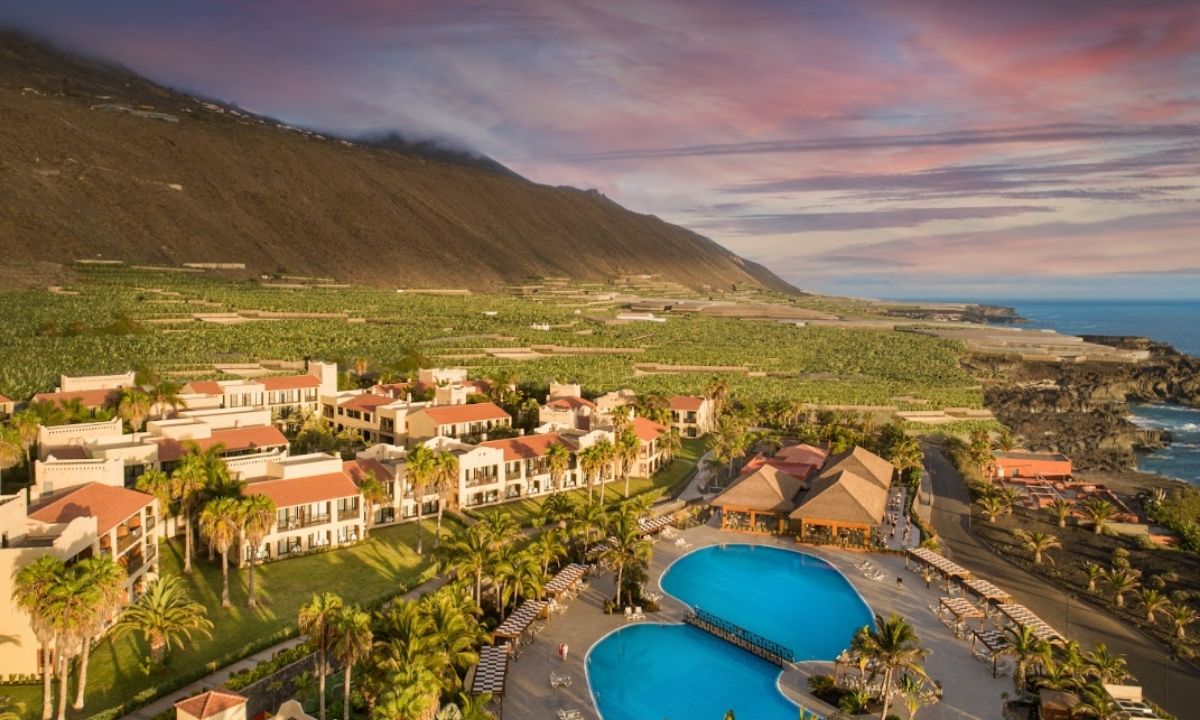
If you want to explore the south of the island, the best base is the complex made up of La Palma Princess and Esencia de La Palma by Princess, two 4-star all-inclusive hotels located in Fuencaliente. From there, Playa de La Zamora is just 3 minutes away by car, and Playa de Echentive, with its volcanic rock pools, around 10 minutes away.
La Palma Princess is a family-friendly resort combining comfort with direct access to the most distinctive scenery in the south of the island. Esencia de La Palma is the same complex’s adults-only area, perfect for couples looking for peace and quiet in a more intimate setting. From either hotel, you can easily explore the beaches in the south, and plan trips north to discover Nogales, Los Cancajos or Bajamar.
If La Palma and its volcanic beaches are on your radar this year, discover our hotels in La Palma and book your all-inclusive stay.
Categories: Canaries, Travel Tips, La Palma


Leave a Comment