










What to see in Tenerife: most important monuments and historic sites
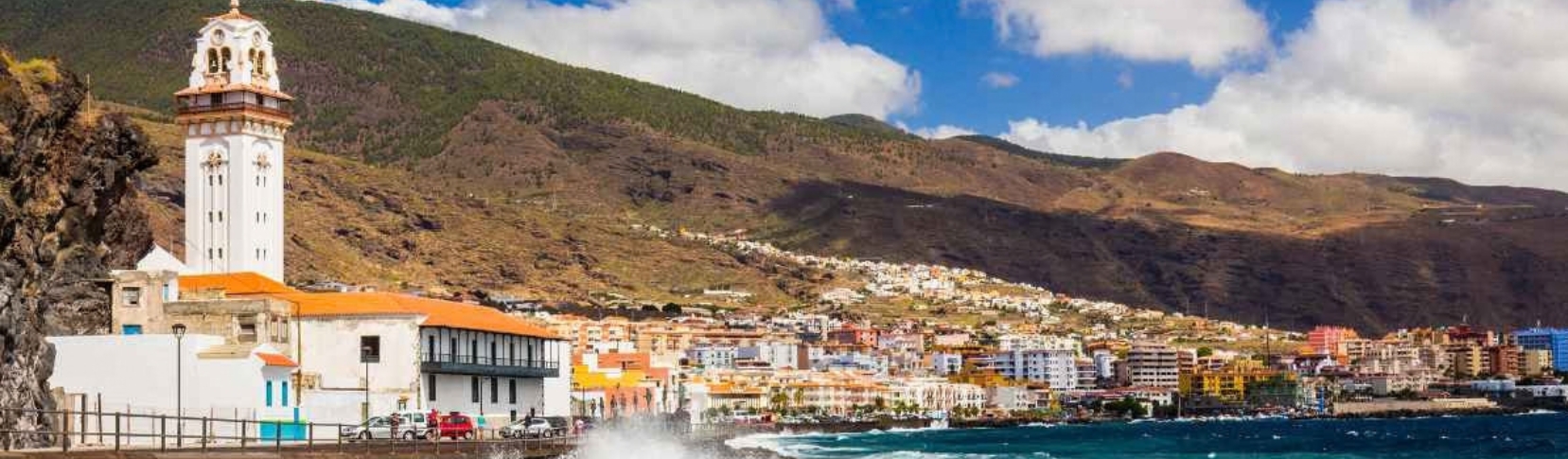
Tenerife is known not only for its volcanic landscapes and black-sand beaches: the island is also home to an architectural heritage that reflects centuries of history, from the Castilian conquest in the 15th century to contemporary architecture. Colonial churches, grand manor houses, defensive castles and iconic buildings stand side by side, telling the story of the Canary Islands through stone. If you are planning what to see in Tenerife and want to venture beyond the coast, this guide brings together the island’s most important monuments and historic sites, organised by area to make planning your visit easy.
What are the most important monuments in Tenerife?
Before looking at each municipality in detail, here is a selection of Tenerife’s most significant and most visited historic monuments:
- La Laguna Cathedral
- Basilica of Our Lady of Candelaria
- Lercaro Palace
- House of the Captains General
- Nava Palace
- Church of the Conception (La Orotava)
- Church of the Conception (Santa Cruz de Tenerife)
- San Juan Bautista Castle (Castillo Negro)
- San Miguel Castle-Fortress (Garachico)
- Pyramids of Güímar
- Tenerife Auditorium
La Laguna Cathedral
- Location: historic centre of San Cristóbal de La Laguna.
- Why it is important: it is the cathedral of the Diocese of Tenerife and one of the Canary Islands’ most representative religious buildings. It was built in the 16th century and elevated to cathedral status in 1819, combining Neoclassical and Neo-Gothic styles.
- What to see: its three naves, Mudejar-inspired roof and 25-metre-high dome over the crossing, as well as murals by José Aguiar and a 16th-century baptismal font.
- Visitor information: check the cathedral’s official website for up-to-date opening times before your visit, as these may vary depending on the season.
Nava Palace
- Location: Calle San Agustín, in the heart of La Laguna’s historic centre.
- Why it is important: it is one of the most representative grand manor houses of Canarian civil architecture from the 17th and 18th centuries.
- What to see: its Baroque façade, carved wooden balconies and inner courtyard, typical of the grand houses of the period.
- Visitor information: the interior is not always open to the public, so it is advisable to check whether guided tours are available when you travel.
Historic monuments in La Laguna
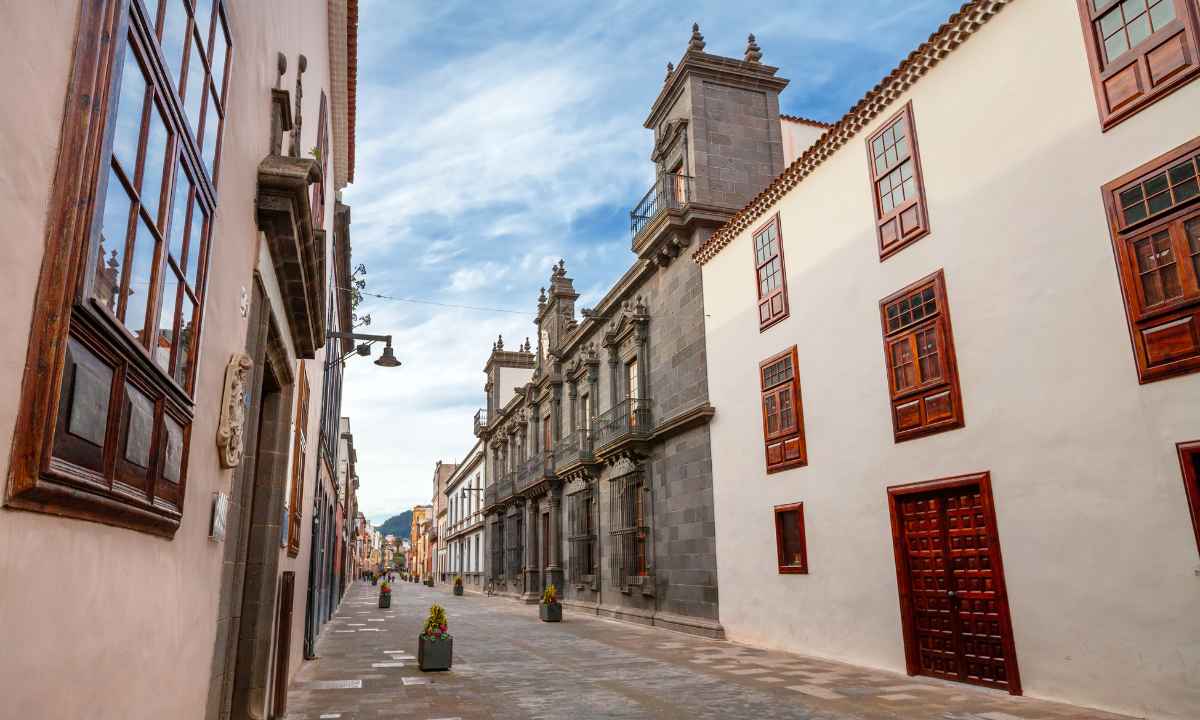
San Cristóbal de La Laguna was Tenerife’s first capital and today retains one of the best-preserved historic centres in the Canary Islands. This is why the city was declared a UNESCO World Heritage Site, thanks to its colonial layout, which served as a model for many cities in Latin America. Strolling through its pedestrian streets is the best way to discover several of its monuments without needing a car.
In addition to the Cathedral and Nava Palace, other highlights include:
- Lercaro Palace: built in the 16th century for the Lercaro family of Genoese merchants, who arrived on the island after the conquest. Outside, its rubble-masonry façade with a central ashlar-stone section and tiled eaves stands out, along with a doorway inspired by Genoese Mannerism bearing the family coat of arms. Today, its interior houses one of the sites of the Museum of History and Anthropology of Tenerife, with exhibitions on the island’s social, economic and cultural development between the 15th and 20th centuries.
- House of the Captains General: six Captains General of the Canary Islands lived here between 1705 and 1723, making it a direct testament to the island’s institutional life during the 18th century.
- Plaza del Adelantado and pedestrian streets: the heart of the historic centre, ideal for combining heritage with a stop at one of its terraces.
Churches and religious heritage in Tenerife
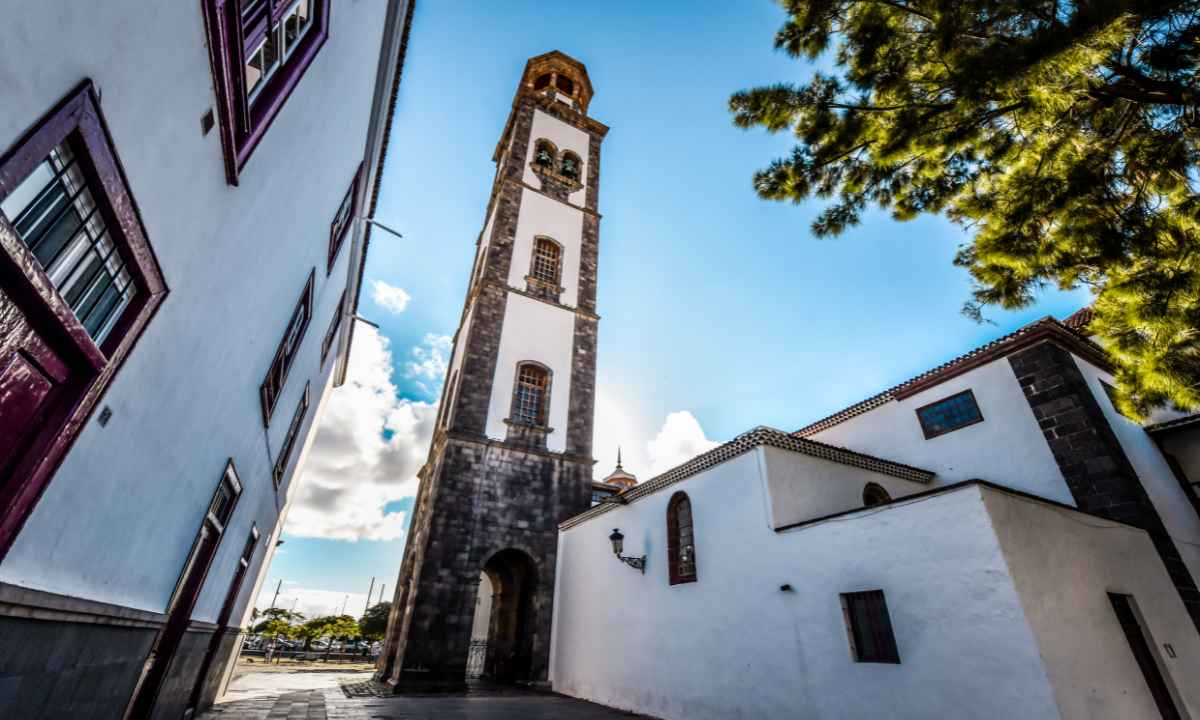
Religious heritage is one of the defining features of Tenerife’s landscape, with places of worship that have shaped life in its municipalities for centuries.
- Basilica of Our Lady of Candelaria: located in the municipality of Candelaria, on the island’s east coast, it is the Canary Islands’ main pilgrimage centre. The Virgin of Candelaria, patron saint of the archipelago, is venerated in its main chapel, a meeting place for both Canarians and visitors to the island.
- Church of the Conception in La Orotava: with its domes visible from the northern motorway, it is one of the first features that hint at the municipality’s architectural beauty.
- Church of the Conception in Santa Cruz de Tenerife: it was built in 1500 and rebuilt 150 years later after being destroyed by fire, becoming one of the architectural gems of the capital’s city centre.
Historic castles and fortresses in Tenerife
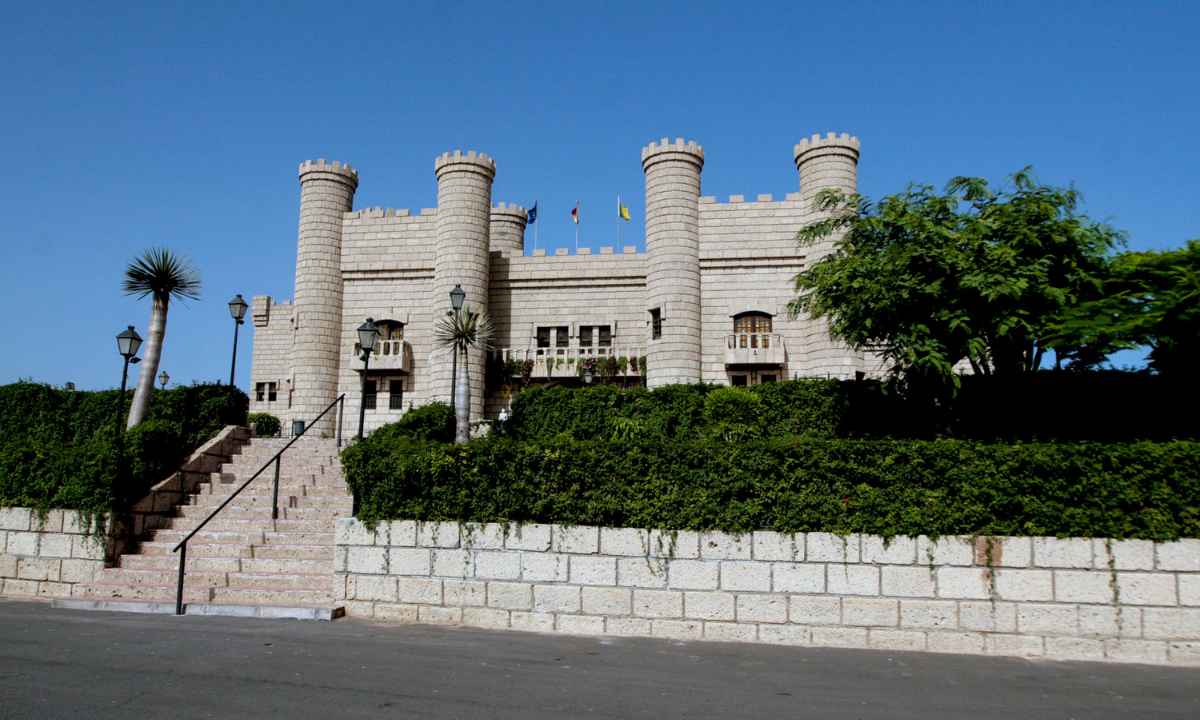
The defensive systems built between the 16th and 18th centuries tell the story of an island that had to protect itself from pirate attacks and foreign powers for centuries.
- San Juan Bautista Castle (Castillo Negro): built in the 17th century to defend the port of Santa Cruz de Tenerife, and together with San Andrés Castle formed part of the island’s defensive system against English and Dutch attacks. Today it is listed as an Asset of Cultural Interest and offers guided visits.
- San Miguel Castle-Fortress: located in Garachico, it was built in the 16th century to protect what was then Tenerife’s main commercial port. Square in plan, with thick ashlar walls and gun ports, it survived the volcanic eruption of 1706. It has been listed as an Asset of Cultural Interest since 1985 and now houses the town’s Heritage Information Centre.
- San Cristóbal Castle: the ruins of this castle are preserved beneath Santa Cruz de Tenerife’s current Plaza de España. It gave its name to Calle del Castillo, which begins at the same spot.
Historic and cultural landmarks also worth discovering
Not all of Tenerife’s heritage dates back to the colonial period. The island combines traces of pre-Hispanic civilisations with landmarks of contemporary architecture. If you would also like to discover the heritage of the rest of the archipelago, you can consult our guide to representative monuments of the Canary Islands. monumentos representativos de Canarias.
- Pyramids of Güímar: a group of six stepped structures made of volcanic stone whose origin and purpose are still being studied. The complex has an interpretation centre explaining the different theories about their construction, making it a distinctive stop for anyone interested in heritage beyond the religious or military sphere.
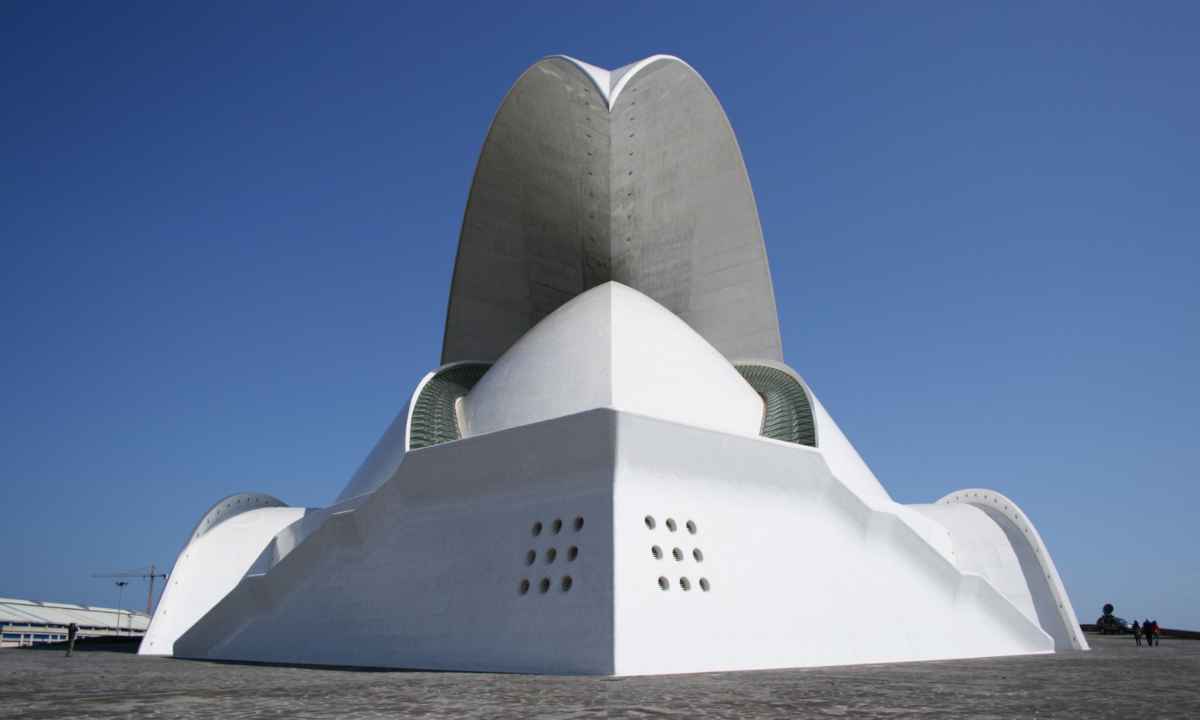
- Tenerife Auditorium: designed by Santiago Calatrava and opened in 2003, it is now one of the archipelago’s most recognisable buildings. Its silhouette, inspired by the waves of the Atlantic, has made it an icon of contemporary Spanish architecture and one of Santa Cruz de Tenerife’s most photographed landmarks.
What is the most important monument in Tenerife?
There is no single monument that can objectively be considered the most important in Tenerife. In terms of historical, religious, cultural or architectural significance, different places stand out for different reasons: La Laguna Cathedral reflects the religious and institutional importance of the former capital; the Basilica of Candelaria embodies the spiritual significance of the entire archipelago; San Miguel Castle-Fortress and Castillo Negro represent the island’s defensive history; and the Tenerife Auditorium symbolises its architectural present. The best way to explore Tenerife’s heritage is not to look for “the most important” monument, but to combine several of these sites depending on the area you are visiting and the time you have available.
A route to discover Tenerife’s historic monuments
To make the most of your time, the most practical approach is to organise your visit by area, as the main monuments are concentrated along the island’s north-eastern and northern axis:
- Morning in La Laguna: historic centre, Cathedral, Lercaro Palace, House of the Captains General and Nava Palace, all within walking distance thanks to its pedestrian streets.
- Stop in Candelaria: a short distance from Santa Cruz, ideal for visiting the Basilica and strolling along the seafront promenade.
- Afternoon in Santa Cruz de Tenerife: Church of the Conception, Castillo Negro and the Tenerife Auditorium to round off the day.
- A day in the north: La Orotava and its Church of the Conception, with the option of continuing to Garachico to visit San Miguel Castle-Fortress.
- A trip to the south: the Pyramids of Güímar, a different option for combining heritage with the landscapes of the mid-altitude areas.
For travelling between municipalities, the most convenient option is to hire a car, as this allows you to link several towns in the same day without relying on bus timetables.
Where to stay to discover Tenerife’s monuments
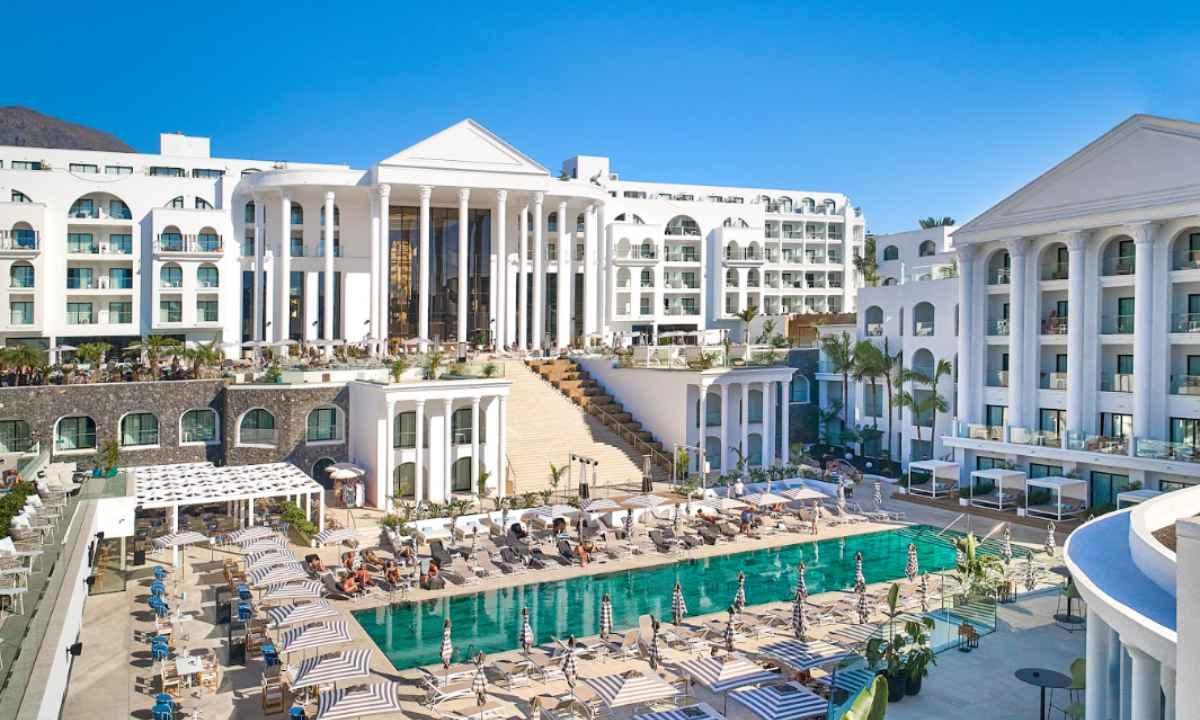
If your travel plans include exploring the island’s historical heritage, staying somewhere with good transport links makes it easier to get around, whether heading north or south. The Princess hotels in Tenerife – the Guayarmina Princess Hotel and the Princess Inspire Tenerife Hotel, both adults-only – offer all-inclusive accommodation in a setting designed for relaxation after a day of cultural sightseeing, with easy road access to La Laguna, Santa Cruz and the other towns boasting historical heritage.
Exploring Tenerife’s monuments is a different way to discover the island, beyond its volcanic landscapes and coastlines. Churches, palaces, castles and contemporary buildings such as the Auditorium coexist within the same area, allowing you to put together a comprehensive cultural itinerary in just a few days. If you’re looking for comfortable accommodation from which to plan these visits, discover the Princess hotels in Tenerife and book your all-inclusive stay.
Categories: Canaries, Travel Tips, Tenerife


Leave a Comment