











Legends of Tenerife: tales of fear, mystery and folklore
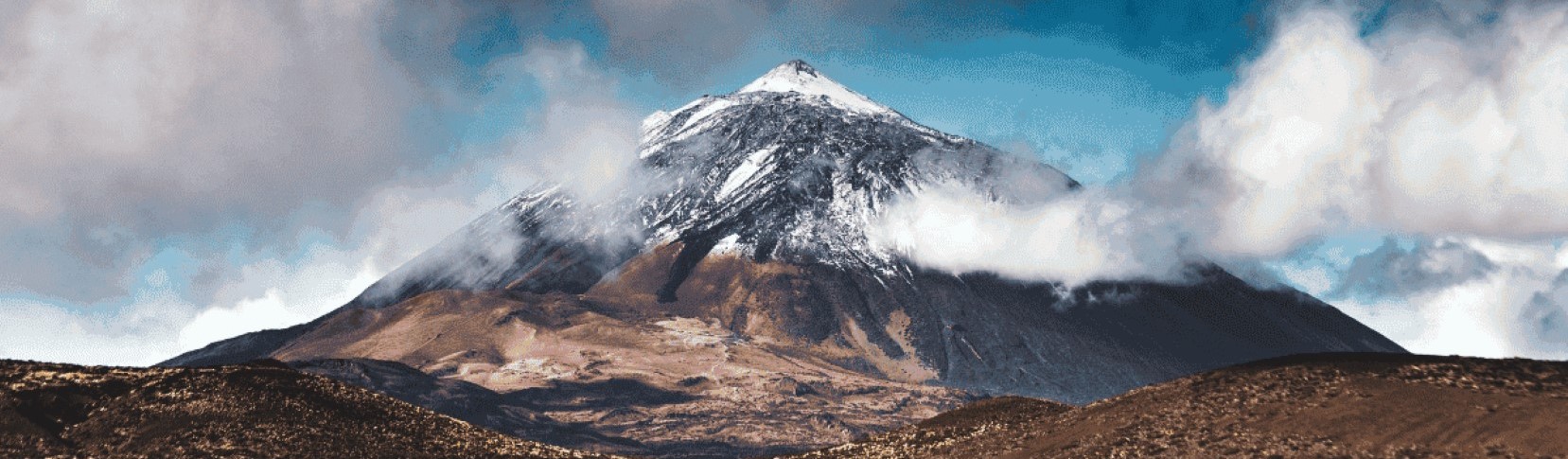
Tenerife is far more than black-sand beaches, Mount Teide, and carnival. The island also holds a rich heritage of legends and folk traditions, passed down from generation to generation — stories that blend Guanche culture, medieval folklore and tales that still spark curiosity among travellers and researchers alike. It’s worth clarifying from the outset: what you’ll find here are legends and oral traditions, not proven facts. That said, this takes nothing away from their cultural value or their mystery. If you’re drawn to local history, island heritage and exploring Tenerife from a different angle, this guide is for you.
Why is Tenerife so full of mysterious tales?
Few islands in the world bring together so many of the ingredients that give rise to legend as Tenerife does. Its volcanic landscape — deep ravines, laurel forests, natural caves carved by lava — has for centuries provided the perfect backdrop for popular imagination to take shape.
Before the Castilian conquest in the 15th century, the Guanches already held a worldview rich in supernatural beings, elaborate funerary rites and sacred sites. This pre-Hispanic oral tradition formed the first great layer of Tenerife’s legends, imbuing many natural sites with meanings that blend Guanche heritage with later European influences. Add to this an exceptional historical legacy: 16th-century mansions, convents, centuries-old hospitals and colonial architecture that still guards many secrets. La Laguna, a UNESCO World Heritage Site, and the Anaga Massif, a Biosphere Reserve, hold much of this legacy.
The places behind Tenerife’s most famous ghost stories
The Barranco Badajoz and the girl who went to pick pears
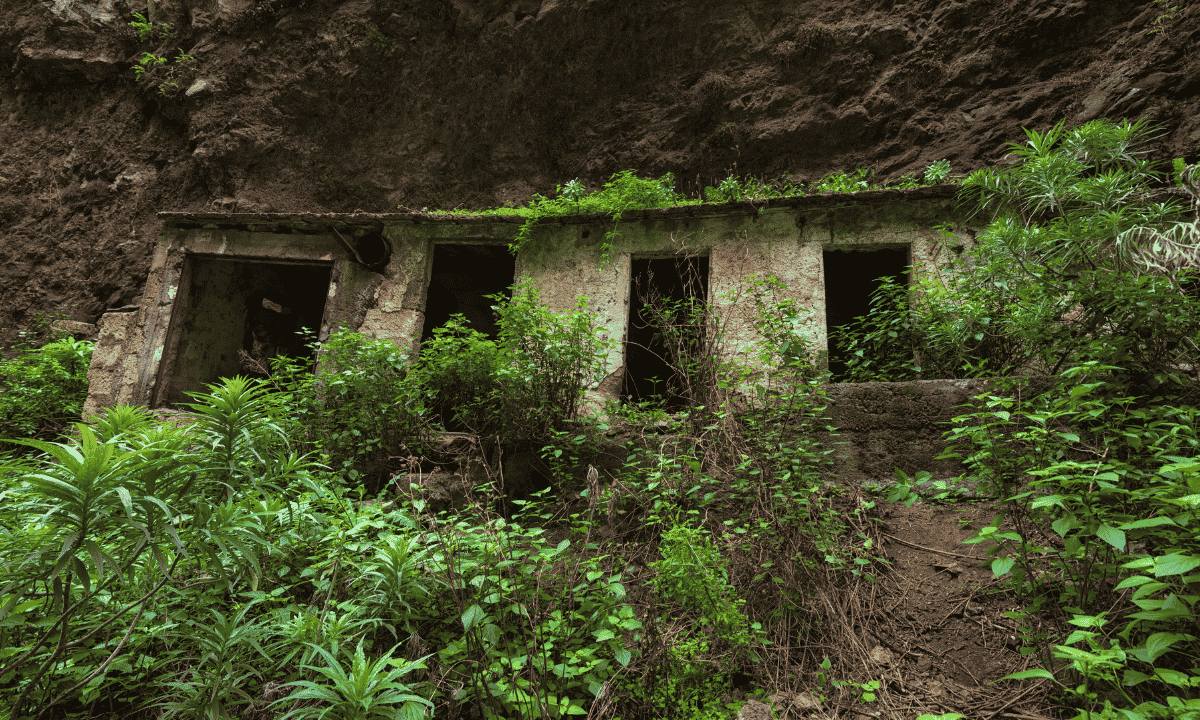
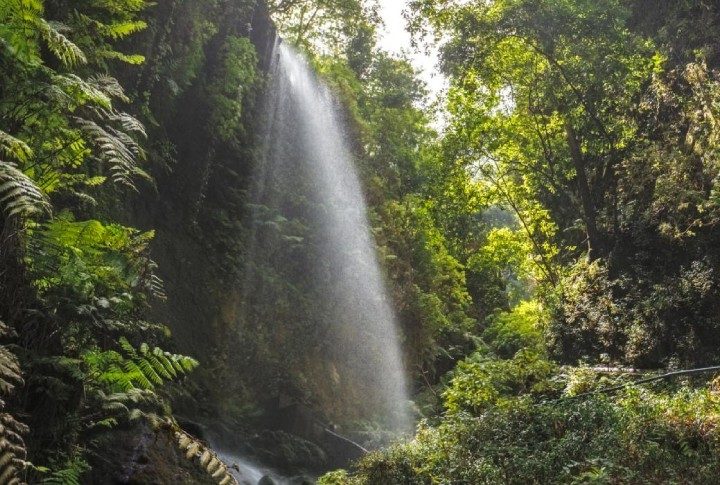
The Barranco de Badajoz, in the municipality of Güímar, is one of the places most closely associated with the paranormal in Tenerife. The best-known legend dates from the late 19th to the early 20th century. A little girl was sent to the ravine to pick pears and disappeared without a trace. Decades later — between 20 and 40 years, depending on the account — she returned looking exactly as she had on the day she left. She said that a very tall figure dressed in white had taken her into a cave where there were other figures like him. For her, only a few hours had passed. Local folklore attributes this phenomenon to the so-called ‘entities in white’, presences which, according to local accounts, are still sighted in the ravine.
The Witches’ Dance in Anaga
In the heart of the Anaga Massif, between Taganana and San Andrés, there is a spot known as El Bailadero. Legend has it that this was where the witches of Tenerife held their covens: dances around the fire and rituals that ended with a night-time descent to the sea. The chronicler Domingo García Barbusano, in his book La Brujería en Canarias (Witchcraft in the Canary Islands), records accounts describing this spot as a place of passage for those seeking initiation into witchcraft. Today, the Anaga Massif is a Biosphere Reserve and home to one of the oldest forests in Europe.
Hospital del Tórax and the mystery of Room 29
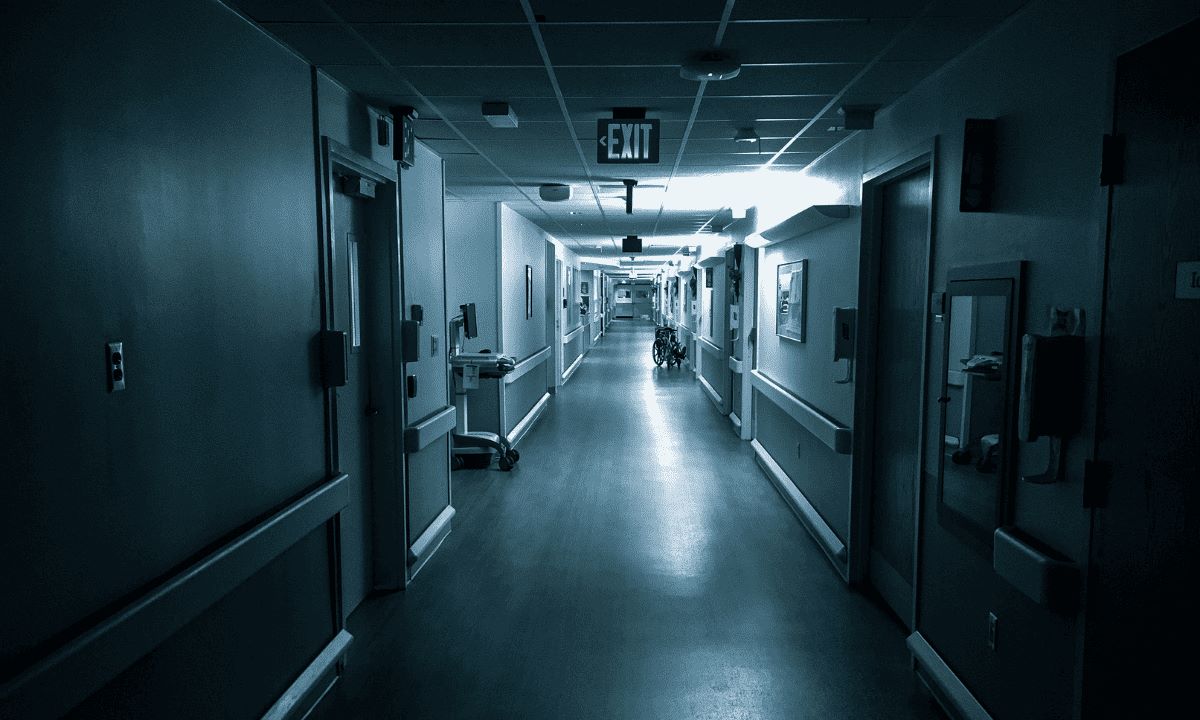
Hospital del Tórax, in the Ofra district, opened its doors on 2 May 1944 to treat tuberculosis patients. The stories that persist point to Room 29, in the Palliative Care Unit, where patients and staff have claimed to see the silhouette of a man in a hat approaching the beds at night. Journalists Alfonso Ferrer and Alfredo Moreno documented these accounts in their book on the ghosts of La Candelaria, the result of three years of research.
Casa Lercaro and the ghost of Catalina
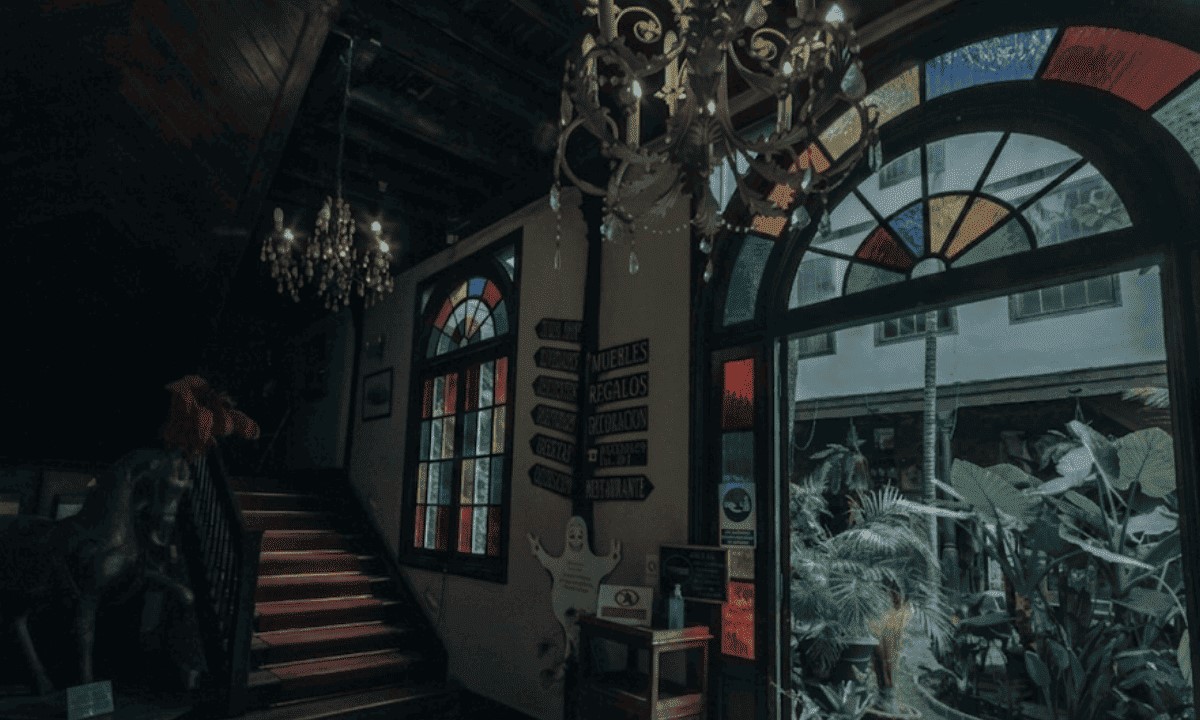
At the heart of La Laguna stands Casa Lercaro, now home to the Museum of History and Anthropology (MHA). The legend of Catalina — daughter of the nobleman Antonio Lercaro, who is said to have thrown herself into the courtyard well on her wedding day — has made this mansion one of the most storied sites in the Canary Islands. Local tradition holds that she was buried in one of the courtyards, as the Church is said to have refused her burial on consecrated ground. Later historical research has been unable to confirm the details of the legend, which has only deepened its mystery.
La Hoya de La Matanza and the ghostly soldiers
In San Juan de la Rambla, within the Tahona recreational park, lies a spot that local farmers once called “the heavy place”. Accounts speak of sudden disorientation and sightings of ghostly horsemen or soldiers, linked in oral tradition to the conflicts that took place in the island’s north during the Castilian conquest in the 15th century.
The Convent of San Agustín and its whispering walls
The former Convent of San Agustín in La Laguna, founded in the 16th century, served for years as a university building before falling partly into ruin. Local accounts describe residents hearing voices and footsteps within its closed cloisters, attributed to the friars who lived there for centuries.
Mount Teide and the legend of Guayota
To the Guanches, the volcano — which they called Echeyde — was home to Guayota, the malevolent spirit of their mythology. According to oral tradition, Guayota kidnapped Magec, the god of the sun, plunging the island into darkness. Achamán, the supreme god, defeated him, freed Magec and sealed the crater shut. That seal, legend has it, is the Pilón or Pan de Azúcar, the pale cone that still crowns the summit of Teide today. When the volcano trembled, tradition held that it was Guayota trying to escape.
A route through Tenerife’s most mysterious sites
If you’d like to take in these locations on a single trip, here’s a suggested itinerary covering both the north and south of the island:
- Day 1 – North: La Laguna (Casa Lercaro and the Convent of San Agustín), the Anaga Massif (El Bailadero), lunch in Taganana.
- Day 2 – South and northeast: Güímar (Badajoz Ravine), San Juan de la Rambla (La Hoya de La Matanza), Hospital del Tórax in Santa Cruz (exterior only).
- Day 3 – Teide: an ascent into Teide National Park, with the legend of Guayota for company. Most of these sites can be visited freely and at no cost, but for Teide, remember to book access to the summit in advance, as daily visitor numbers are limited.
Tips for visiting these sites
Some of these locations call for a little planning so you can enjoy them safely and respectfully:
- Wear suitable footwear. The Badajoz Ravine and the Anaga Massif have uneven paths that aren’t suited to sandals or city shoes.
- Respect the surroundings. These are protected natural sites or buildings of heritage value. Don’t touch or disturb anything.
- Avoid heading into the hills alone at night. The pull of the dark is understandable, but safety always comes first.
- Do your research beforehand. Casa Lercaro (MHA) has set visiting hours; check access conditions for the Anaga Massif before setting off.
Where to stay to discover Tenerife’s more mysterious side
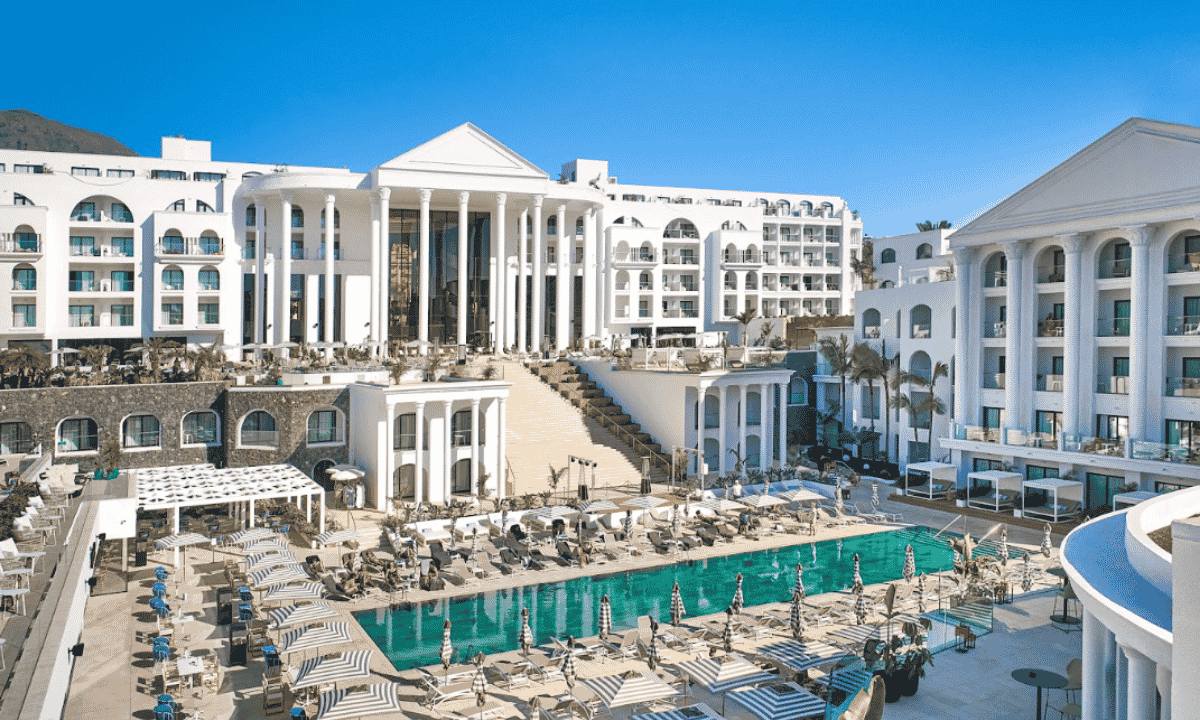
Princess Hotels has two hotels in Tenerife, both adults-only (+16) and located in Costa Adeje, in the south of the island.
Guayarmina Princess sits right on Fañabé beach. It stands out for its modern design, varied dining options and the chance to enjoy exclusive services with a Platinum room. Ideal for couples and solo guests looking for a calm, elegant atmosphere.
Princess Inspire Tenerife is also in Costa Adeje. A hotel with an intimate feel and personalised service, complete with a wellness area and quality dining, perfect for those who prioritise relaxation and tranquillity by the sea.
From both hotels, the south of the island — Güímar, the Barranco Badajoz, Teide — is just a short drive away.
Book your stay at the Princess Hotels in Tenerife and discover the island beyond its beaches.
Categories: Canaries, Travel Tips, Tenerife


Leave a Comment