









Canarian Christmas recipes: traditional dishes and sweets
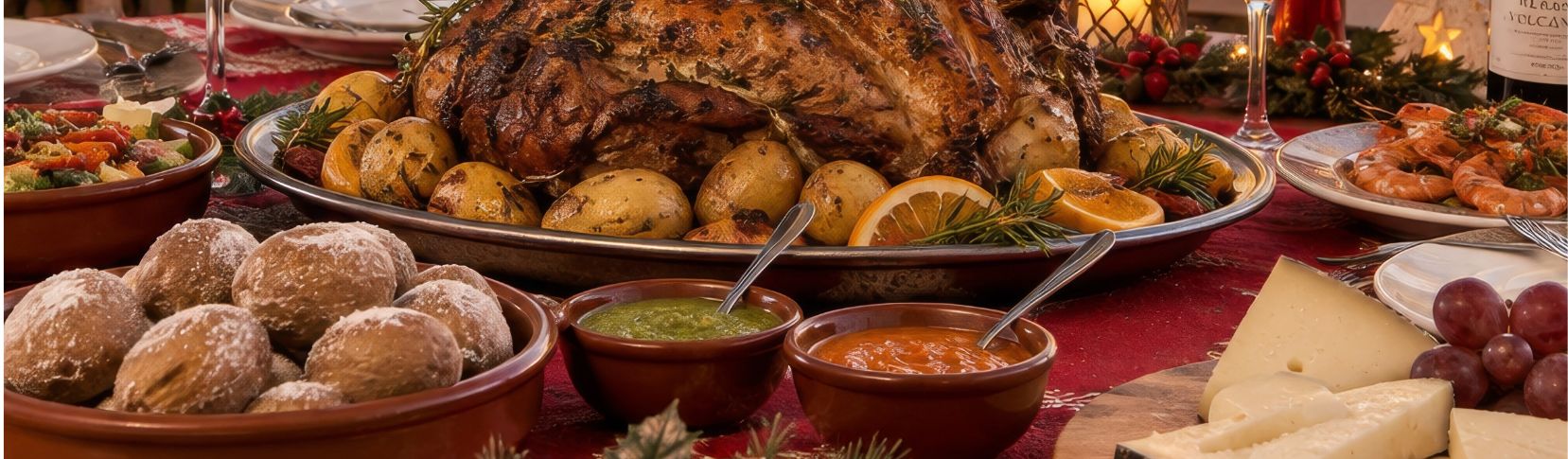
Christmas in the Canary Islands has a flavour all of its own, shaped by the archipelago’s mild climate and a larder that brings together produce from the land and the sea. Island tables bring together artisan cheeses, fresh fish, spiced meats and a pastry tradition with centuries of history behind it. If you’ve ever wondered what a Canarian household cooks up at this time of year, here’s a complete guide to the most iconic Canarian Christmas recipes, island by island, so you can understand the tradition and, why not, try your hand at making them at home.
What do people eat in the Canary Islands at Christmas?
Canarian Christmas cooking is built on local produce: fish from the coast, pork and rabbit, goat’s and sheep’s cheese, and nuts such as almonds, the undisputed star of the sweets. Unlike other regions of Spain, seafood and fish share the spotlight with meat in the Canary Islands, and the nibbles served before dinner carry just as much weight as the main course.
Each island brings its own touches shaped by climate and farming tradition, but there’s a common thread running through it all: recipes passed down through generations, made for sharing with family and adapted to whatever the local land provides.
Canarian starters and produce to share
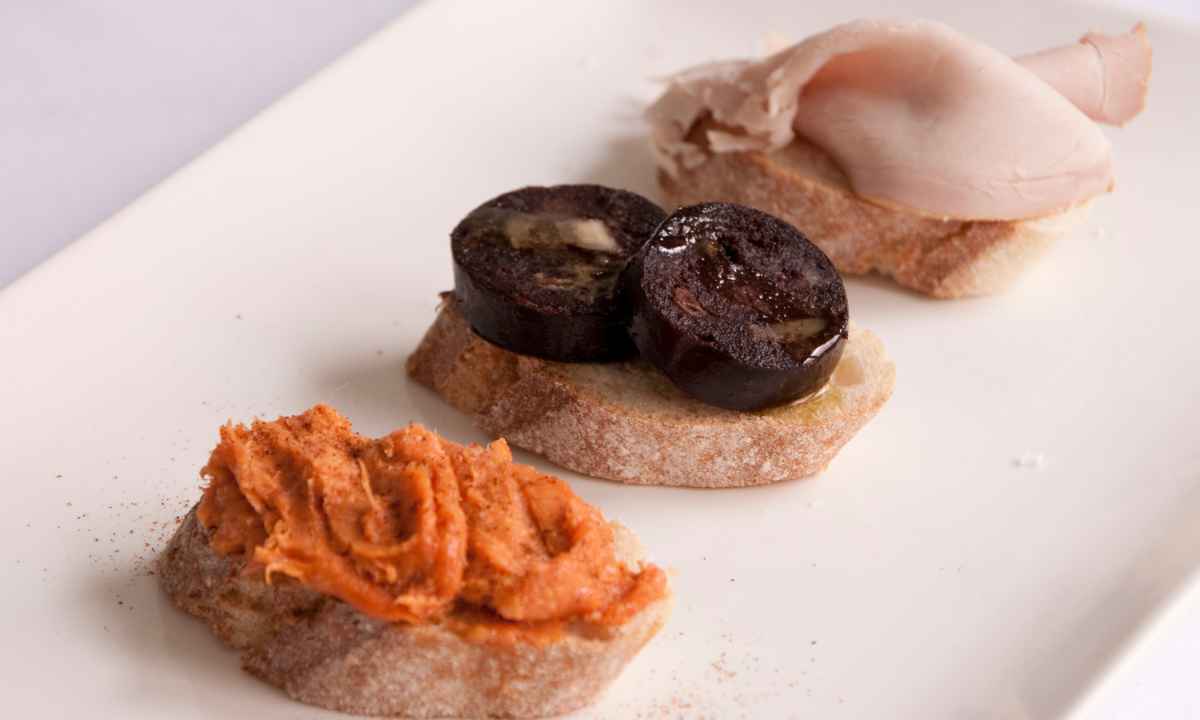
Before the main course, Canarian Christmas tables fill up with nibbles. It’s common to start with a selection of Canarian cheeses, many of them with a protected designation of origin, made from goat’s milk, sheep’s milk or a blend of the two, with an intense flavour and a texture that varies depending on how long they’ve been cured.
Alongside the cheese, sweet Canarian black pudding is a must: a sausage made with pig’s blood, almonds, raisins and spices, served in slices or used to fill small baked puff pastry parcels — a starter that’s simple to prepare and looks wonderful on the table.
Canarian cheeses, sweet black pudding and wrinkly potatoes with mojo
Wrinkly potatoes with red or green mojo are, without doubt, the most recognisable dish in Canarian cuisine, and they take pride of place at Christmas too. They’re boiled with their skins on in plenty of salt until the surface wrinkles, then served with mojo picón (paprika, garlic, cumin and chilli) or mojo verde (coriander or parsley, garlic and oil). It’s a starter that goes just as well with fish, meat or simply a piece of bread.
Main courses for Christmas in the Canary Islands
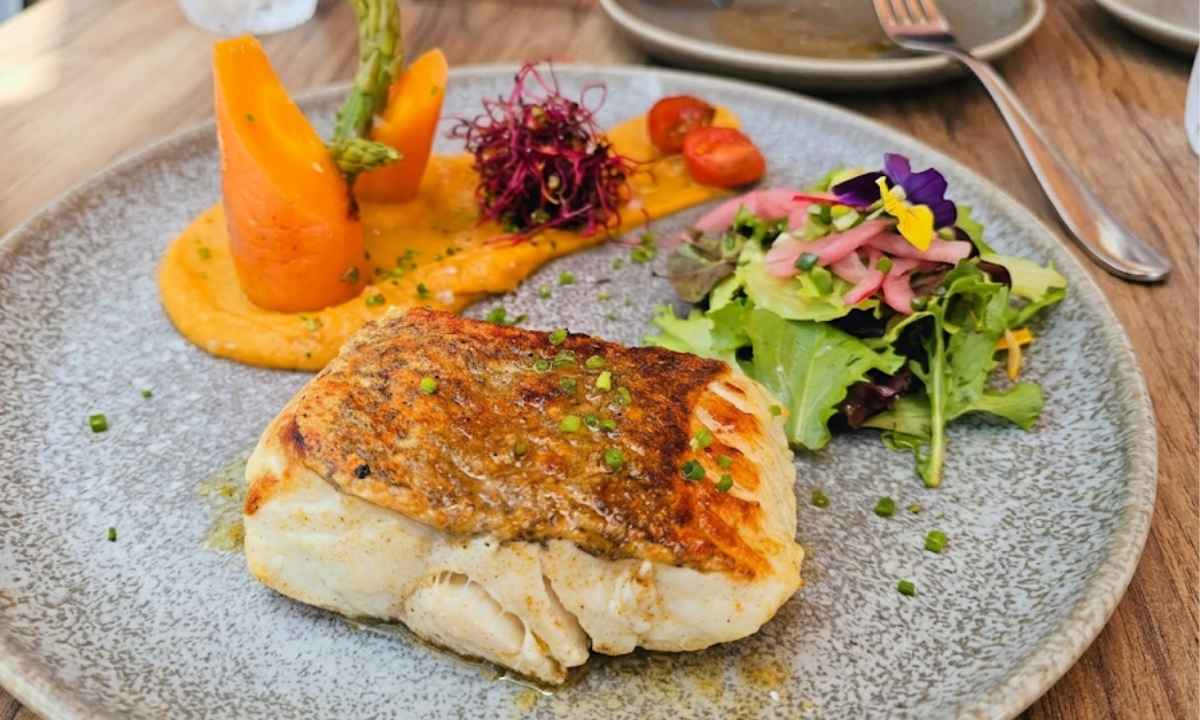
The main course varies from family to family and island to island, but it usually centres around two options: pork or rabbit, and fresh fish from the Atlantic coast.
Rabbit meatballs, roast pork leg, wreckfish or salt cod with onions
Rabbit meatballs in sauce are a classic of inland Canarian cooking, with a hint of spice that sets them apart from the mainland Spanish version. Slow-roasted pork leg, cooked until beautifully tender, is another regular feature at larger Christmas dinners.
On the seafood side, wreckfish and salt cod with onions are firm favourites: the fish is cooked with a generous layer of softened onion and served alongside wrinkly potatoes. Thanks to the archipelago’s thousands of kilometres of coastline, fresh fish reaches the Christmas table just as easily as meat does.
Grilled limpets with green mojo
As a starter or a light second course, grilled limpets with green mojo are a real island favourite, particularly in Tenerife and La Palma. They’re cooked for just a few minutes so they keep their texture, then served straight away with the mojo on the side.
Canarian Christmas recipes by island
While there are dishes shared across the whole archipelago, each island has its own variations and specialities:
- Gran Canaria: home of the Tejeda almond polvorones and the Moya sponge cakes, from the north of the island.
- Tenerife: a strong tradition of meat and fish stews, plus a good share of the Canary Islands’ wine designations of origin.
- La Palma: gofio mousse with palm honey is a dessert closely associated with the island, alongside other local takes on the sweet potato pastry.
- La Gomera: known for torta de vilana, a resourceful sponge cake traditionally made using leftover stewed potatoes.
- El Hierro: El Hierro’s almond cheese is one of its most distinctive contributions to the Christmas table.
These differences show how each island has adapted the Christmas tradition to its own produce and farming history.
Canarian Christmas sweets and desserts
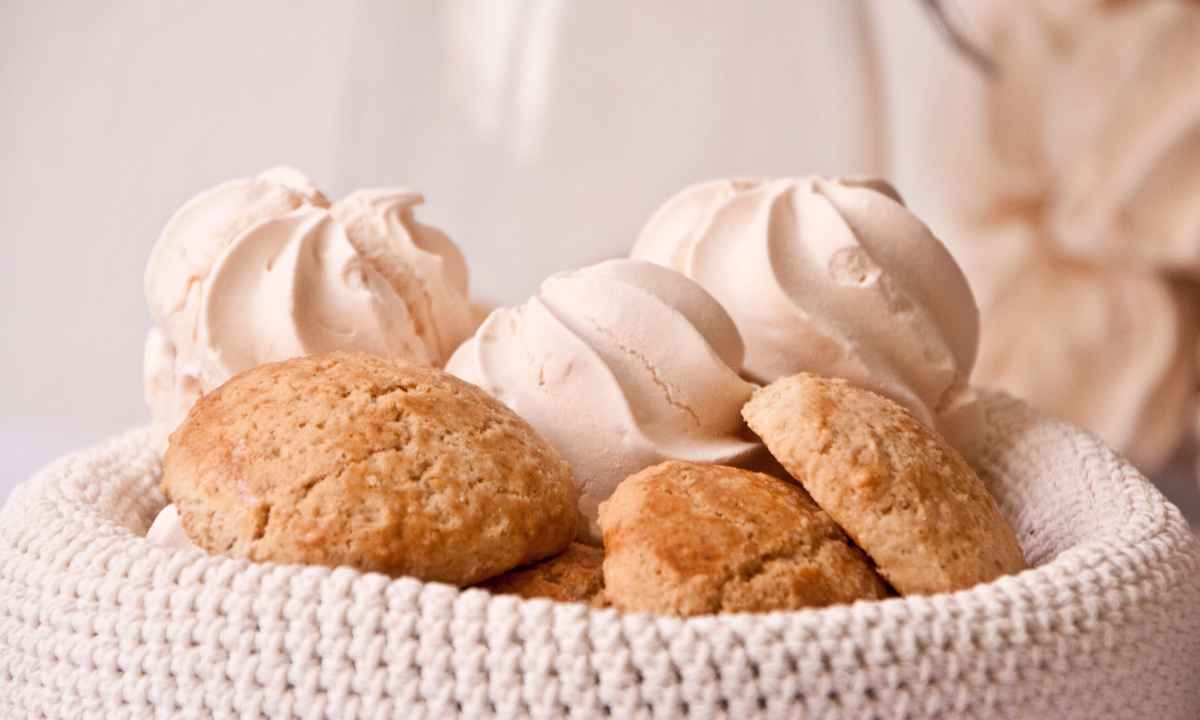
For many, the sweets are the most eagerly awaited part of a Canarian Christmas. Almonds take centre stage, especially those from Gran Canaria, prized for their quality.
Sweet potato pastries, Tejeda almond polvorones, Moya sponge cakes
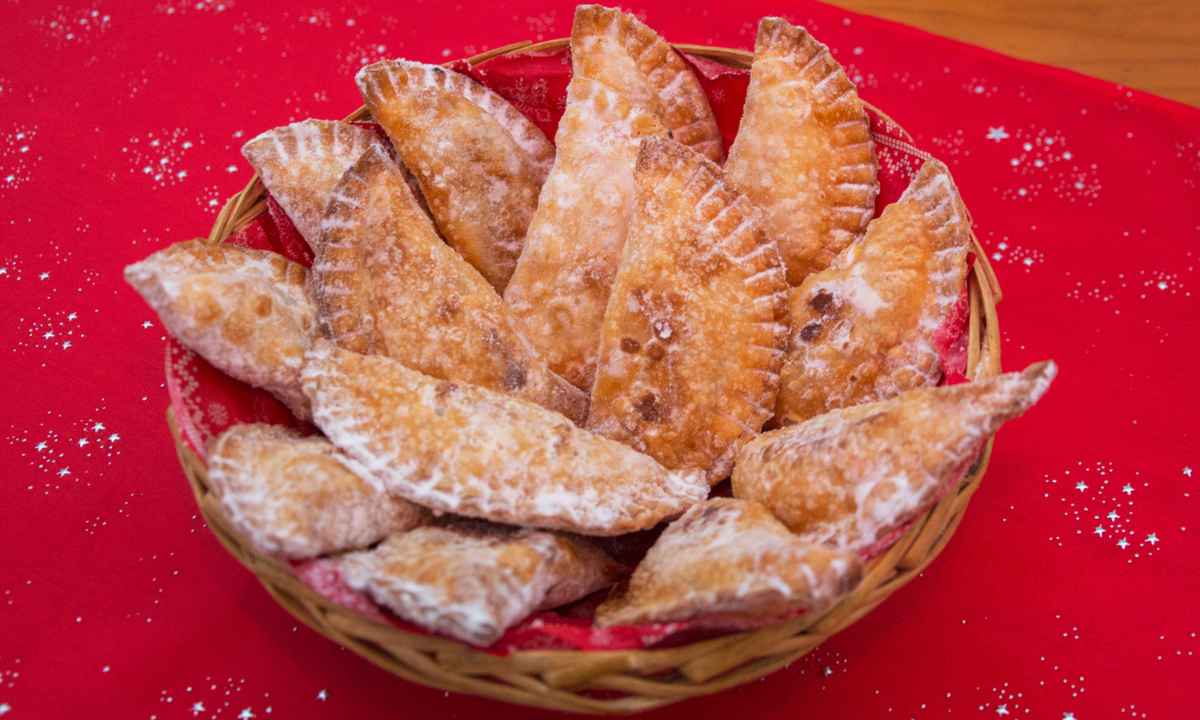
Sweet potato pastries are the quintessential Canarian Christmas dessert: small parcels of puff pastry or homemade dough, filled with cooked sweet potato, almonds, cinnamon, aniseed and lemon or orange zest. They can be fried or baked, and the filling actually improves if it’s left to rest for a day before the pastries are filled. Although they can be found in some bakeries all year round, they’re mostly eaten in the weeks leading up to Christmas.
Tejeda almond polvorones, from Gran Canaria, are another essential sweet, made using almonds grown in the local area. Not far away, in the north of the island, Moya sponge cakes are prepared: a simple treat made from flour, egg whites and yolks, lemon zest and sugar.
Other traditional desserts that also appear on Canarian Christmas tables include bienmesabe, frangollo and huevos mole, each with its own variations depending on the island and the family preparing them.
Which Canarian wines pair best with Christmas dishes?
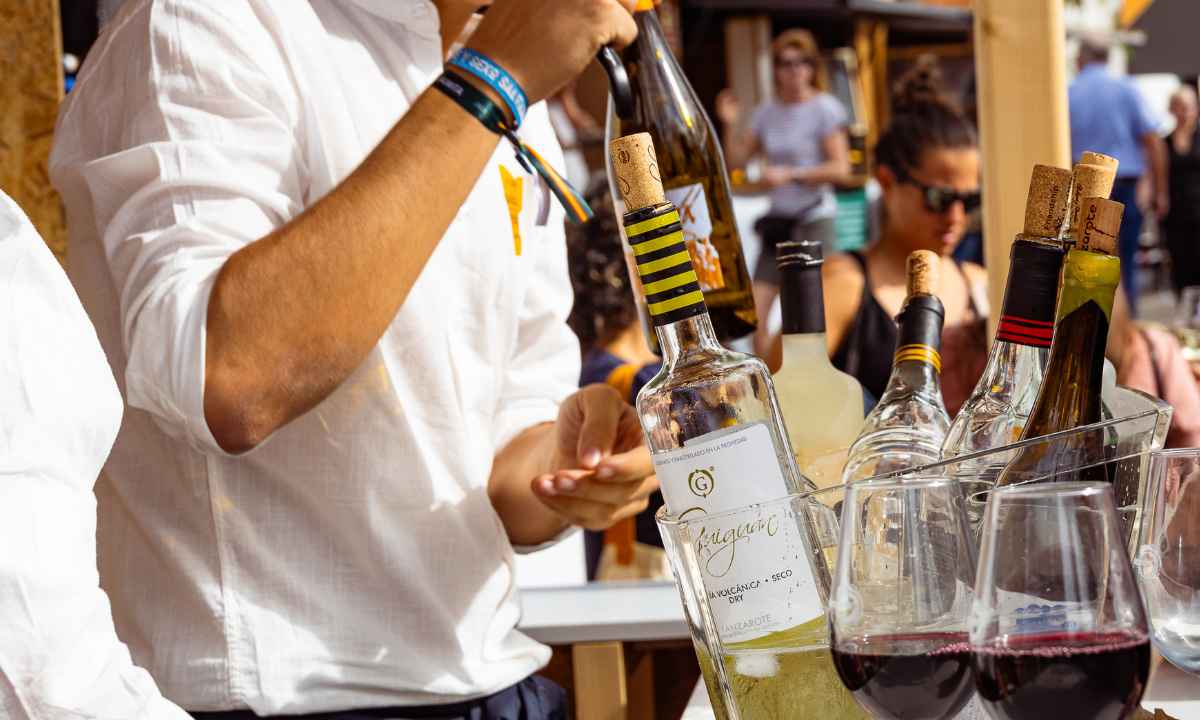
The archipelago is home to eleven wine designations of origin, five of them in Tenerife alone, thanks to a climate and terrain that favour grape varieties found nowhere else in the world, such as listán negro, negramoll and malvasía.
Wines for starters and cheese, fish, meat and dessert
- Starters and cheese: a young, fruity white or a crisp rosé pairs well with cheese and sweet black pudding nibbles.
- Fish (wreckfish, salt cod with onions, limpets): Canarian whites, with their good acidity, are the most balanced choice.
- Meat (rabbit meatballs, pork leg): a medium-bodied red made with listán negro or negramoll, with spiced notes, works well with these dishes.
- Dessert: sweet malvasía wines, with aromas of honey and ripe fruit, are the classic accompaniment to round off the meal with sweet potato pastries or polvorones.
How to put together a Canarian-style Christmas menu
To build a full menu in this spirit, a simple structure could look like this:
- Nibbles of Canarian cheese, sweet black pudding and wrinkly potatoes with mojo.
- A second, lighter starter, such as grilled limpets with green mojo.
- A main course of either fish (wreckfish or salt cod with onions) or meat (rabbit meatballs or roast pork leg).
- A sweet finish: sweet potato pastries, Tejeda polvorones and Moya sponge cakes.
- Canarian wine matched to each stage of the meal.
There’s no need to prepare every single dish: simply choosing one or two per category is enough for a balanced menu that’s true to Canarian tradition.
Easy Canarian Christmas recipes to try
If you’re looking for somewhere simple to start, some recipes are especially easy to make at home, even with children helping out:
- Wrinkly potatoes with mojo need little more than small potatoes, coarse salt and a mojo that comes together in a few minutes with a blender.
- Sweet potato pastries take a little longer because of the time needed to cook the sweet potato, but assembling the filling and baking them is simple, making it a great recipe to prepare together as a family.
- Moya sponge cakes need just five ingredients and an oven, with no complicated techniques involved.
Frequently asked questions about Christmas and Canarian food
What do people eat in the Canary Islands at Christmas?
The islands combine cheeses and cold cuts such as sweet black pudding, fish such as wreckfish or salt cod, meats such as rabbit or pork, and a distinctive almond and sweet potato pastry tradition.
What are the typical Christmas recipes in the Canary Islands?
Wrinkly potatoes with mojo, salt cod or wreckfish with onions, rabbit meatballs, sweet potato pastries, Tejeda polvorones and Moya sponge cakes are some of the most iconic.
What Canarian dishes should you make for Christmas?
It depends on the course: cheese and potatoes with mojo for starters; fish or meat for the main course; and sweet potato pastries or almond sweets for dessert.
What is the traditional Canarian Christmas food?
There isn’t a single dish, but rather a range of recipes that vary from island to island, though fish, spiced meat and almond sweets feature in most homes.
What Canarian sweets are eaten at Christmas?
Sweet potato pastries, Tejeda almond polvorones, Moya sponge cakes, gofio mousse and bienmesabe are the most common.
Discover more of Canarian cuisine with Princess Hotels
Getting to know Canarian Christmas recipes is a way of understanding the culture and character of the islands beyond their landscapes. If you’d like to experience this culinary tradition first-hand, Princess hotels in the Canary Islands offer a gateway into local cuisine all year round. Discover our hotels in the Canary Islands and start planning your next culinary getaway to the archipelago.
Categories: Canaries, Travel Tips, Fuerteventura, Gran Canaria, La Palma, Tenerife


Leave a Comment