












Explore Teide National Park in Tenerife
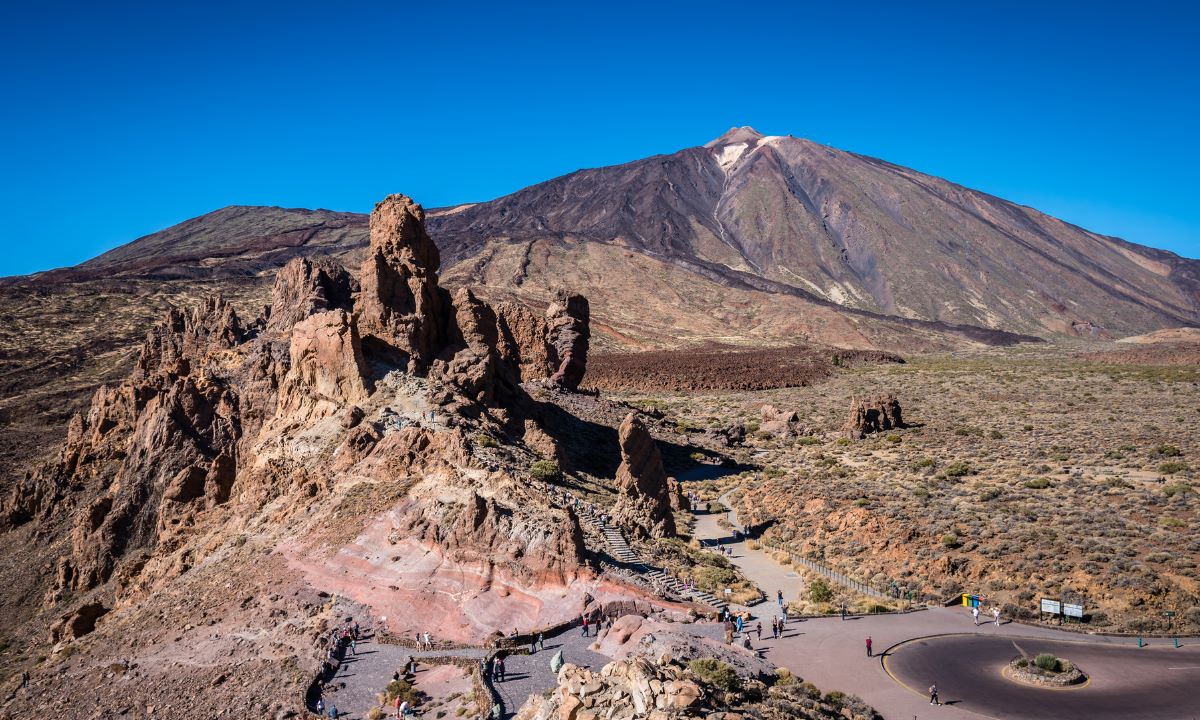
In the heart of Tenerife, within the Canary Islands archipelago, rises the imposing Mount Teide. At 3,715 metres above sea level, Teide is the highest peak in Spain and the island’s great natural icon.
Teide National Park, declared a UNESCO World Heritage Site, protects an extraordinary high-altitude volcanic landscape. Lava fields, craters, sculpted rock formations and exceptionally clear skies make this one of the most spectacular natural settings in Europe.
What’s New and Updated Regulations
General access to the park
Access to Teide National Park is free and open all year round. No reservation is required to drive through Las Cañadas del Teide or to walk most marked trails. Viewpoints, visitor centres and the majority of hiking routes can be accessed without paying an entrance fee.
Ascent to the Teide crater and eco-tax
Access to the upper crater area of Teide is regulated. Since 2026, an eco-tax has been introduced for visitors who are not residents of Tenerife. The routes most affected are those with particularly high levels of footfall in Teide National Park, including PNT 10 (Telesforo Bravo) and PNT 07 (Montaña Blanca – La Rambleta).
Charges vary according to the walking route, day of the week, time slot and place of residence:
Residents of Tenerife: free of charge
Residents of other Canary Islands: reduced fee (approximately €3–€6, depending on the route and day)
Non-resident visitors (tourists): approximately €6–€15 for PNT 07; approximately €15 for PNT 10 (depending on the time slot and season)
The often-quoted maximum fee of around €25 does not apply to all walkers as a standard charge, but may result from specific combinations or additional services.
Reservations and administration are managed via the official booking platform, Tenerife ON. Advance online booking is compulsory.
Weather conditions and volcanic activity
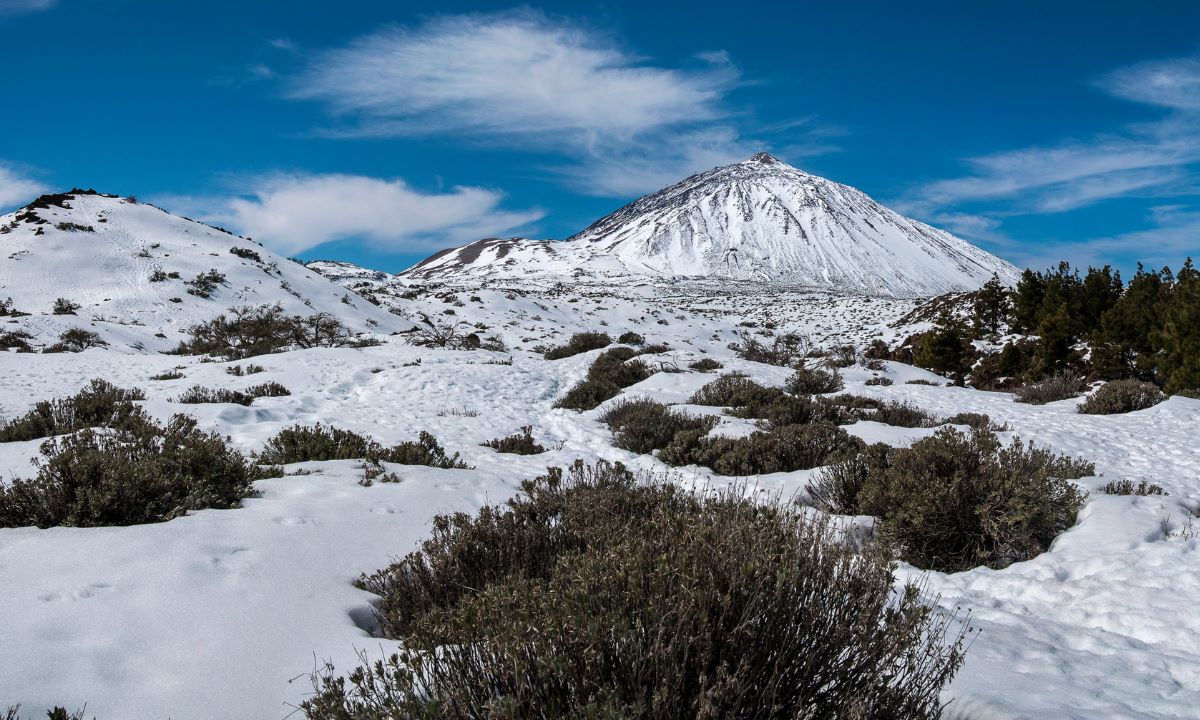
High-mountain weather conditions may lead to temporary closures, particularly due to strong winds, ice or low visibility. Always check the forecast before planning your visit. The most recent eruption within the Teide volcanic complex occurred in 1909 at Chinyero Volcano, located in the north-west of Tenerife.
How to Get to Teide National Park
By car
Teide is located in the centre of Tenerife and can be accessed from several parts of the island:
- From Puerto de la Cruz via TF-21
- From Santa Cruz de Tenerife via La Esperanza (TF-24) or TF-21
- From Santiago del Teide via TF-38
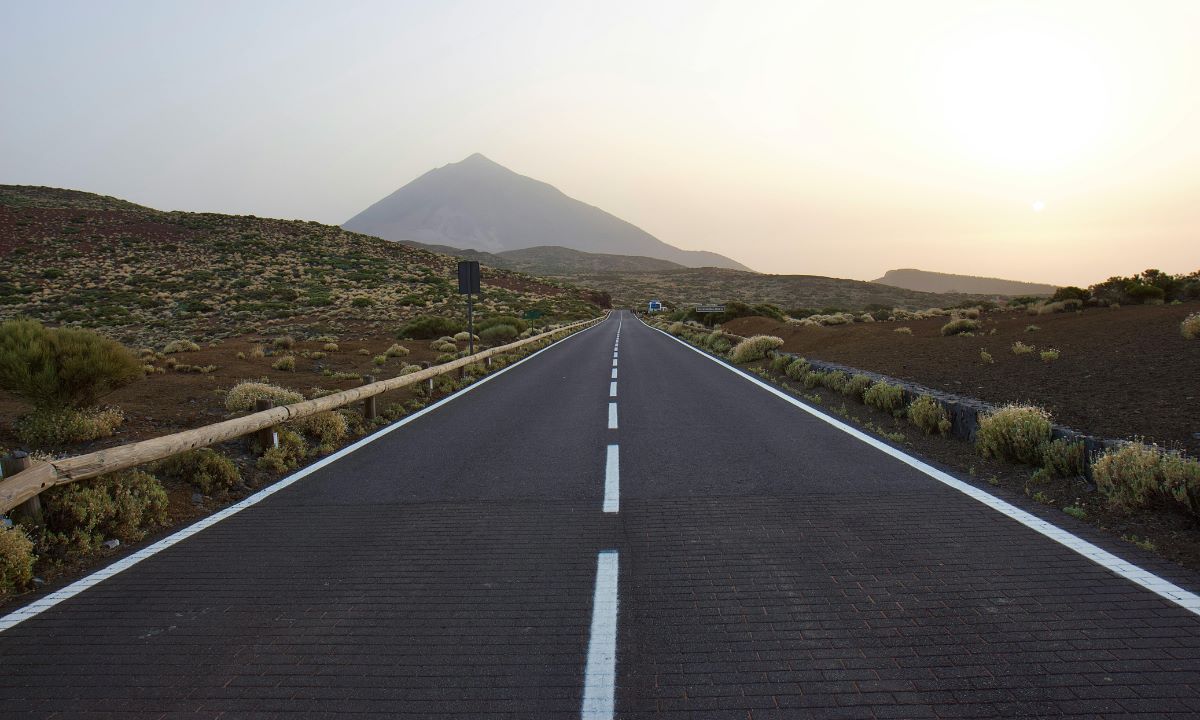
All routes cross the spectacular Las Cañadas del Teide and offer continuous panoramic views of volcanic landscapes. Driving is straightforward, although mountain bends are frequent, and all access roads are clearly signposted.
Early morning is the best time to drive up, when traffic is lighter and parking, particularly near the Teide Cable Car station, is more readily available.
By bus
Teide can also be reached by public bus (guagua), operated by TITSA:
- Line 342: Costa Adeje – Teide National Park
- Line 348: Puerto de la Cruz – Teide National Park
These services typically operate once per day in each direction (morning departure and afternoon return), so checking up-to-date timetables is essential.
What to See in Teide National Park
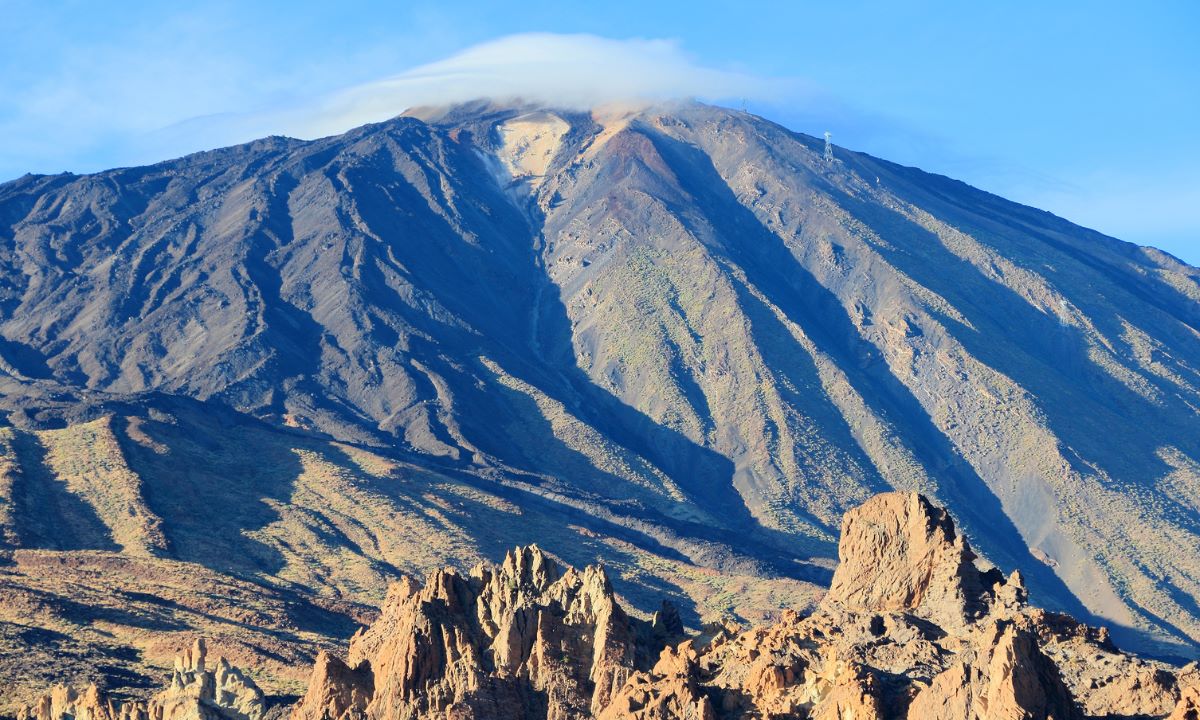
Teide Peak
The undisputed highlight of the park is Mount Teide. At 3,715 metres above sea level, it is the highest peak in Spain. Measured from the ocean floor, it rises over 7,000 metres from its base.
From the upper cable car station at 3,555 metres, you can enjoy sweeping views across Tenerife and, on clear days, neighbouring islands.
For the final stretch from La Rambleta to the summit (Path No. 10 – Telesforo Bravo), a separate free personal permit is required. This must be obtained online in advance. Without this permit, access to the crater rim is not permitted, even if the standard trail fee has already been paid.
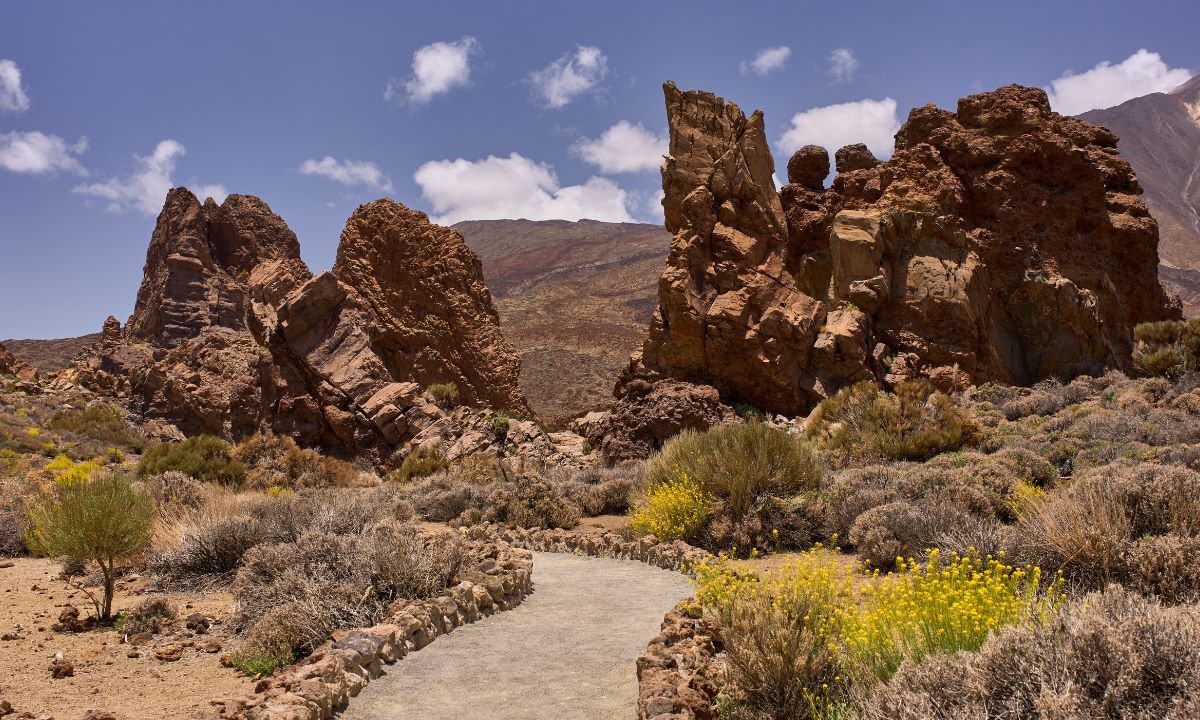
Roques de García
These striking volcanic rock formations are one of the park’s most photographed landmarks. The circular trail around them is accessible and allows you to appreciate the contrast between the dramatic rock shapes and the volcanic cone of Teide, as well as the geological diversity of Las Cañadas.
Narices del Teide Viewpoint
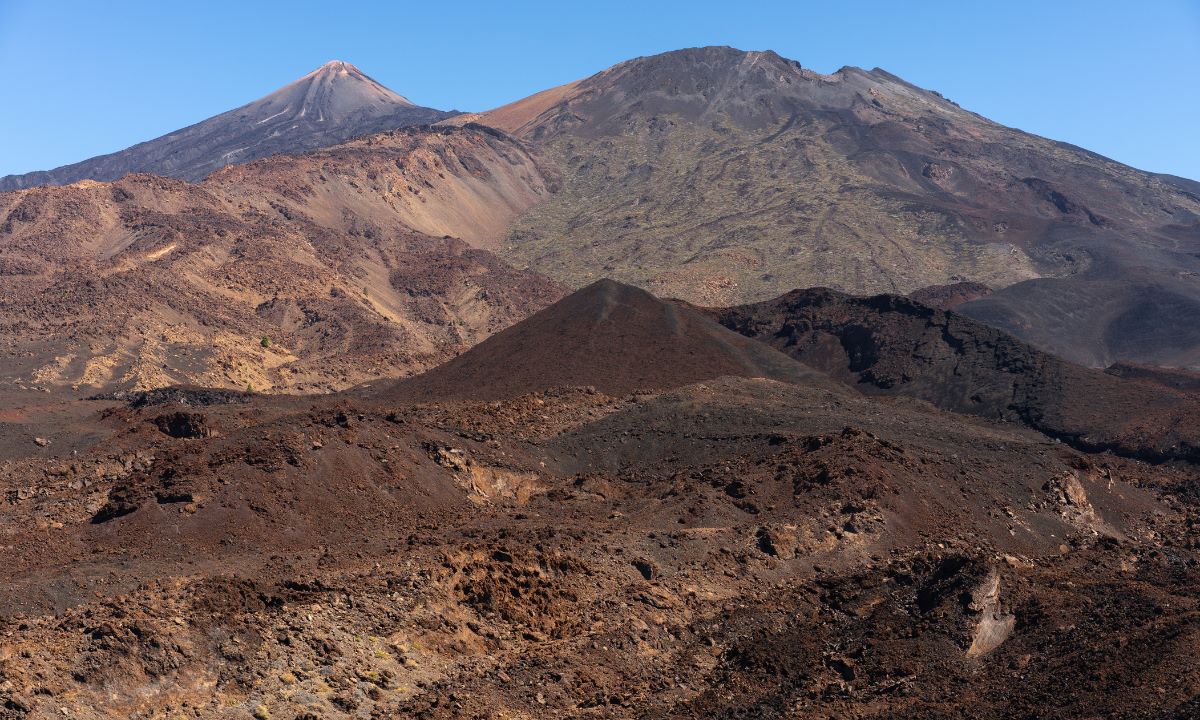
From here, you can observe the lava flows linked to the 1909 eruption — the most recent within the Teide complex. It is one of the best spots to understand the park’s more recent geological history.
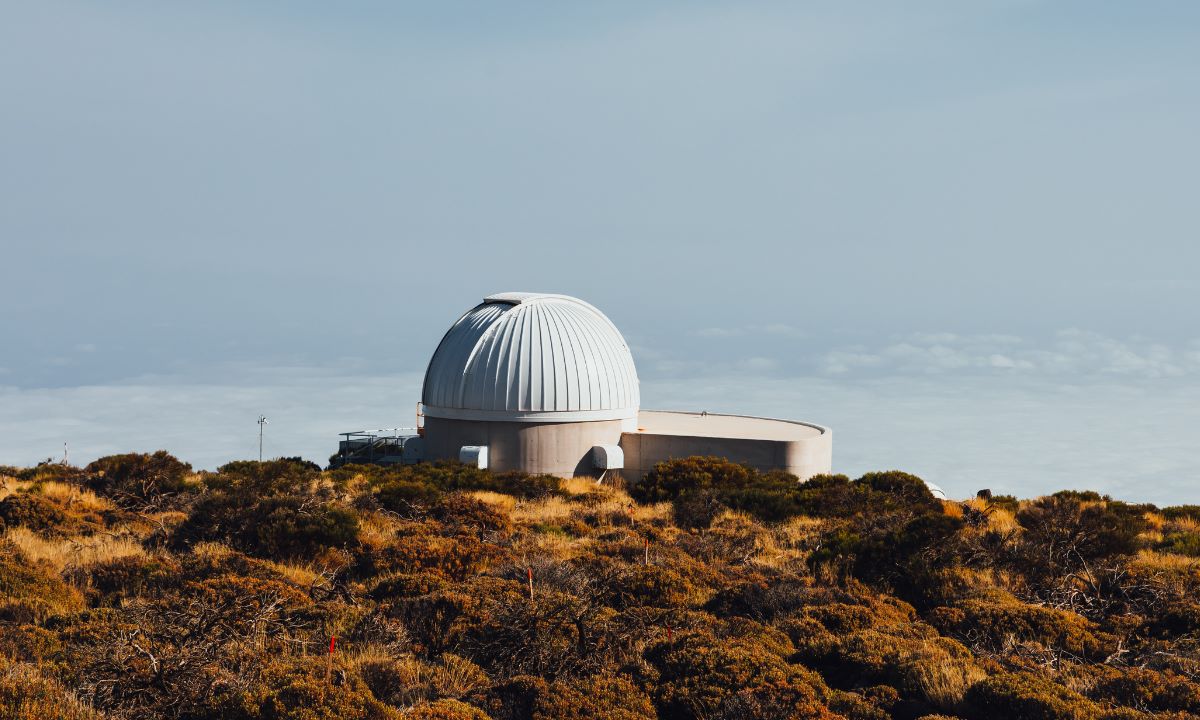
Astronomical Observatory and starry skies
Thanks to its altitude and exceptionally clear skies, Teide is one of Europe’s premier stargazing destinations. The Teide Observatory is internationally recognised for solar research and astrophysics.
Above the sea of clouds and far from light pollution, the park offers extraordinary conditions for observing the Milky Way and constellations in a dramatic high-mountain setting.
Experiences: Hiking, Viewpoints and Gastronomy
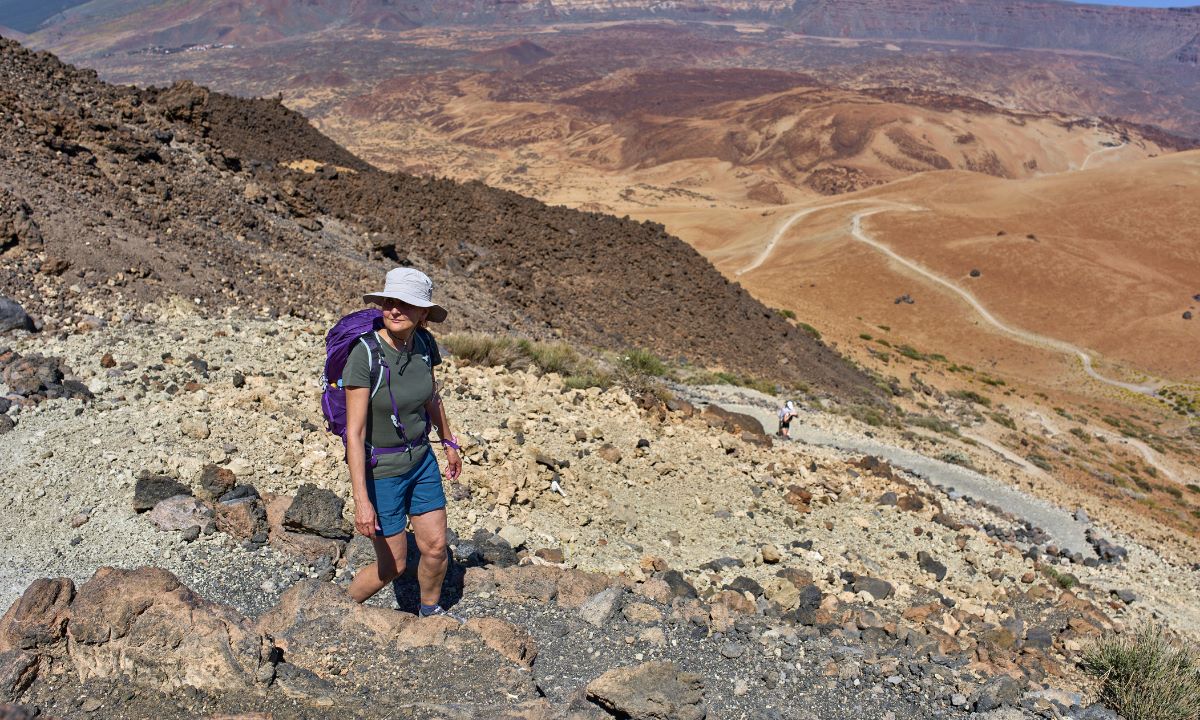
High-mountain hiking
Climbing Teide on foot from Montaña Blanca is one of the island’s most demanding routes. The full ascent typically takes between 5 and 7 hours, depending on pace and fitness levels.
There are also easier alternatives, such as the circular route around the Roques de García or panoramic trails through Las Cañadas del Teide.
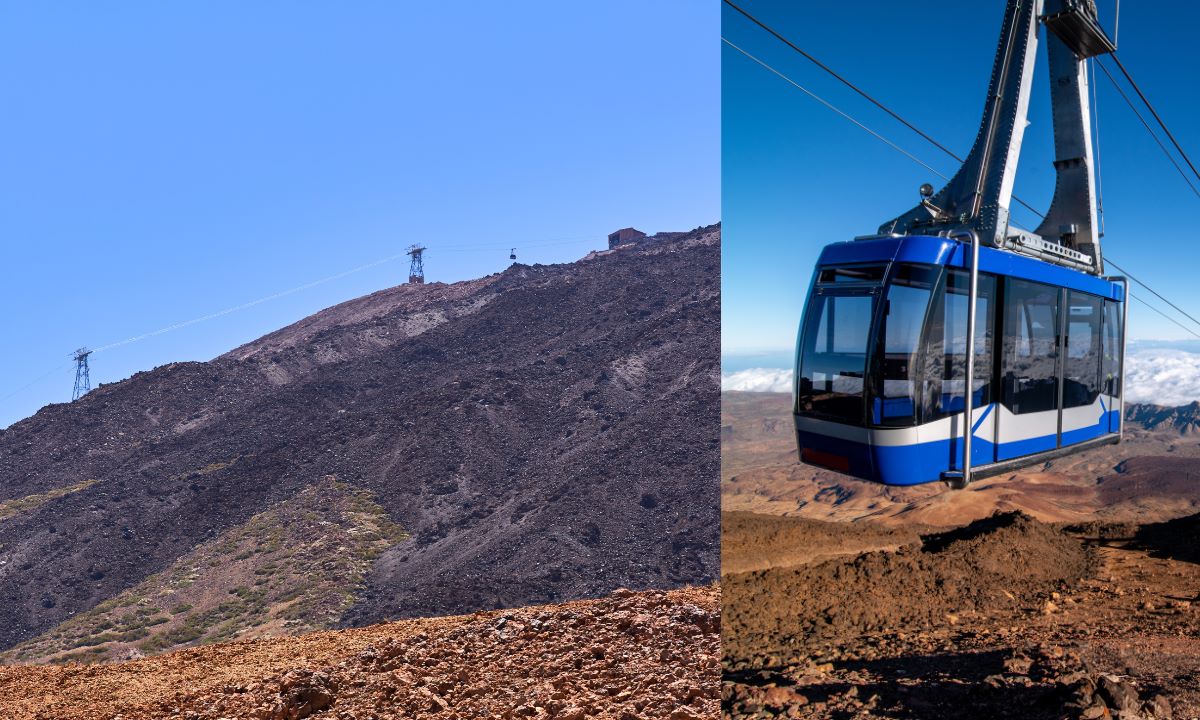
Cable car experience
The Teide Cable Car significantly reduces the physical effort, reaching 3,555 metres above sea level in just a few minutes. From the upper station, short trails lead to natural viewpoints overlooking the crater and the sea of clouds. Be sure to check updated opening times and ticket prices before your visit.
How long can you stay at the top?
Time at the upper cable car station is usually between 45 minutes and one hour, depending on visitor numbers and weather conditions. On windy days or during peak periods, access may be limited for safety reasons.
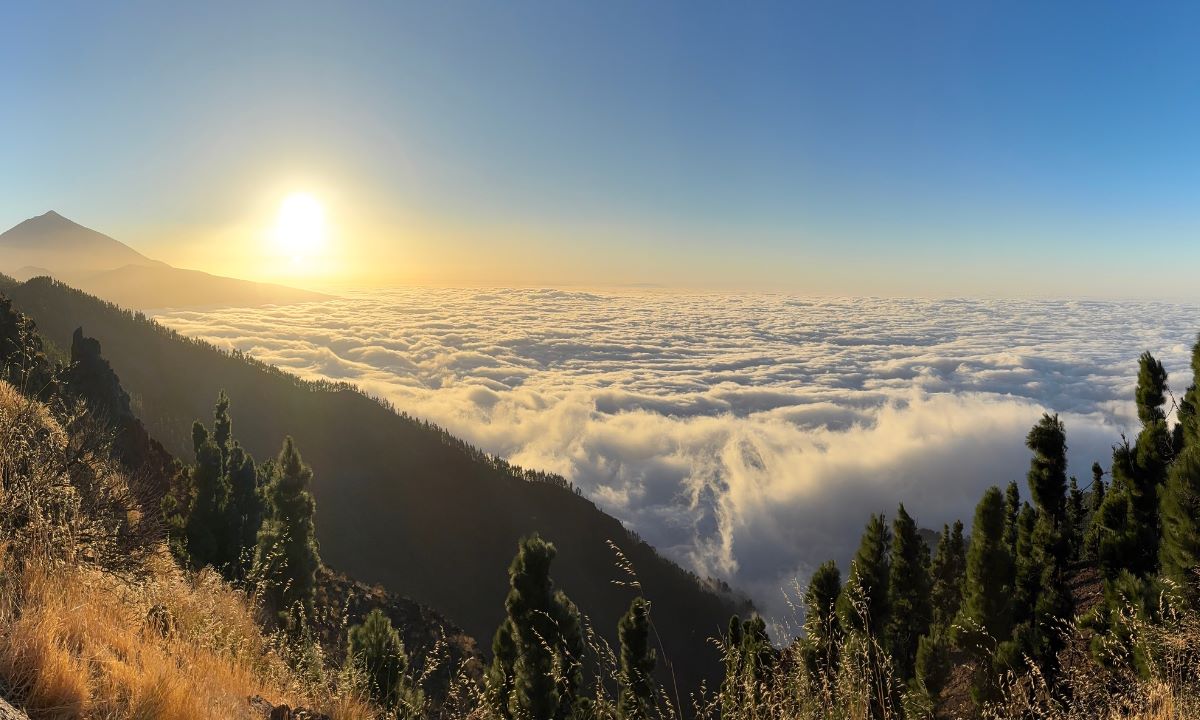
Panoramic viewpoints
The park features numerous roadside viewpoints. From these vantage points, you can admire lava fields, craters and unique geological formations. On clear days, neighbouring islands are visible, along with the spectacular “sea of clouds”, a natural phenomenon where a blanket of white cloud covers the mid-altitudes while Teide rises above it.
Gastronomy in the area
Within the park, the Parador de las Cañadas del Teide offers traditional Canarian cuisine in an exceptional natural setting an ideal stop during your visit.
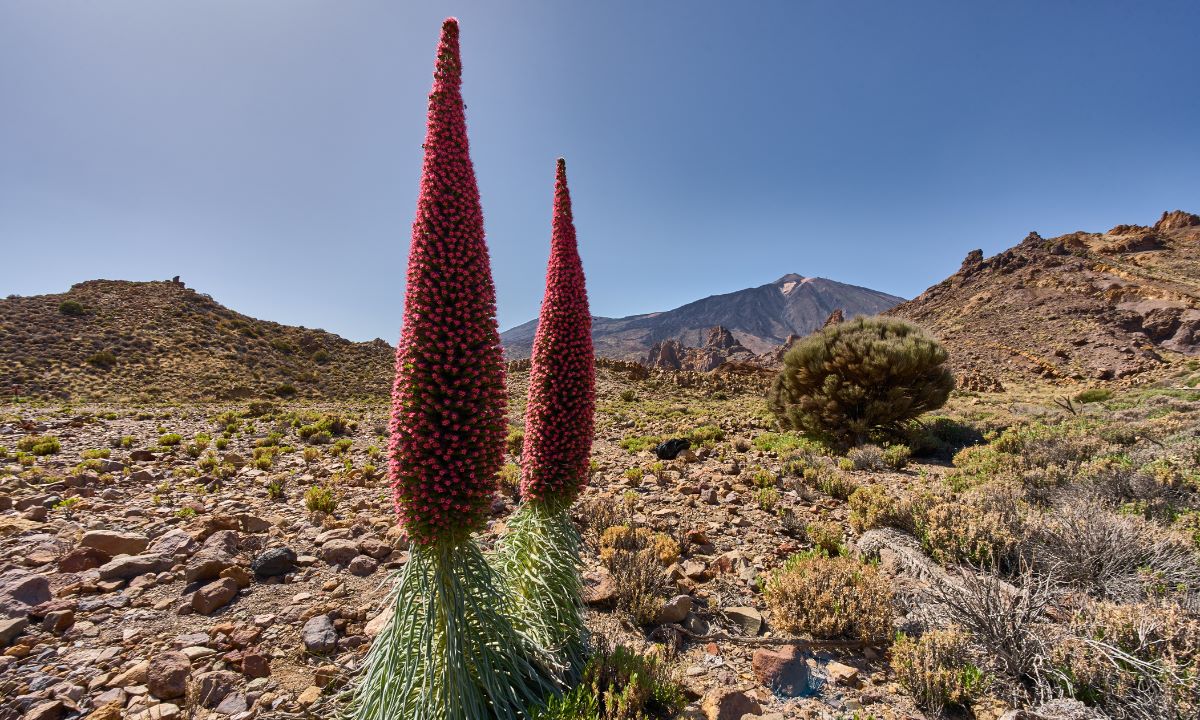
Endemic flora and fauna
This protected area is home to species adapted to extreme high-altitude conditions, including the Teide violet, the Tenerife lizard and the Tenerife blue chaffinch. Protecting these species is one of the reasons access to certain areas is regulated.
Practical Tips and Safety
Weather conditions on Teide can change rapidly. Even in summer, temperatures at altitude can drop significantly.
It is advisable to:
- Bring warm clothing and sun protection
- Wear suitable hiking footwear
- Check the weather forecast before travelling
- Book cable car tickets or summit permits in advance
Although general access to the park is free, planning ahead ensures a safe and enjoyable experience.
Sustainability and Respect for the Environment
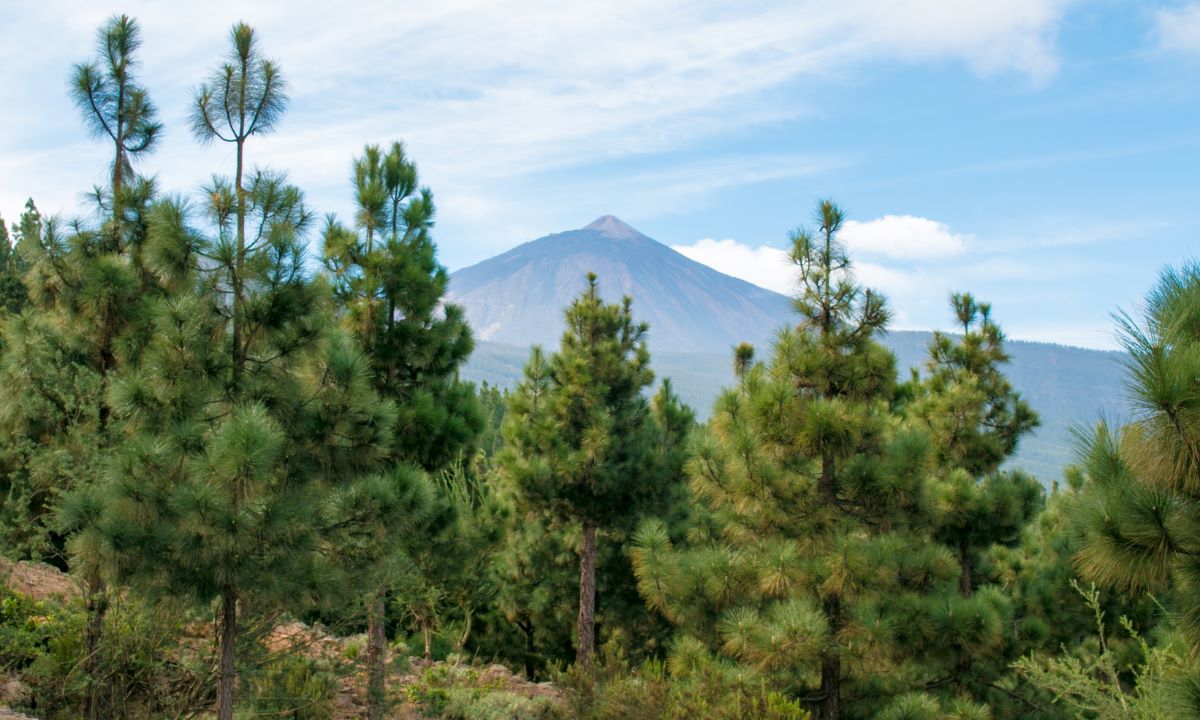
Teide National Park is a World Heritage Site and one of the Canary Islands’ most valuable natural treasures.
To help preserve it:
- Stay on marked trails
- Do not collect volcanic rocks or endemic plants
- Do not disturb wildlife
- Minimise waste
Protecting Teide ensures future generations can continue to experience Spain’s highest peak and one of the world’s most extraordinary volcanic landscapes.
After Teide: The Perfect Rest with Princess Canarias

After exploring the dramatic landscapes of Teide and Las Cañadas, southern Tenerife offers the perfect balance between adventure and relaxation. In Costa Adeje, Guayarmina Princess and Princess Inspire Tenerife combine high-altitude exploration with wellbeing, refined gastronomy and Atlantic-facing tranquillity.
After a day of hiking and volcanic scenery, unwind in their swimming pools, wellness areas and spaces designed for comfort and calm. Book your stay and discover Tenerife with Princess Canarias.
Categories: Canaries, Travel Tips, Tenerife


Leave a Comment