











Climate in Tenerife: What to Know About the Island of Eternal Spring
When people talk about Tenerife’s climate, they often picture an island with mild temperatures all year round and no real extremes. While this is partly true, it oversimplifies a far more complex reality. Tenerife doesn’t have just one climate, but several, often changing over just a few kilometres and sometimes surprising even those who know the island well.
In this article, you’ll discover how its microclimates work, how they influence each season, and how to make the most of them when planning your trip, helping you decide when to go and what to pack.
A small island with remarkable climatic diversity
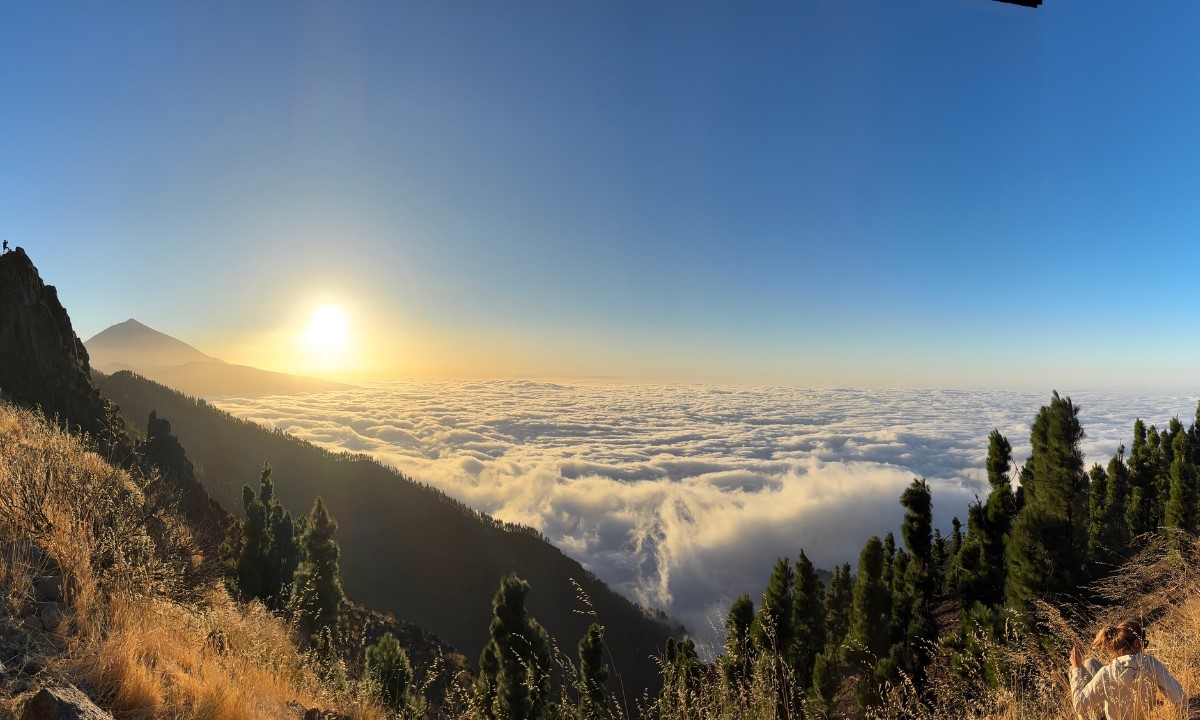
Tenerife’s climatic variety can be explained by several key factors. The most significant is Mount Teide, which at 3,715 metres acts as a natural barrier, dividing the island into two distinct areas: north and south.
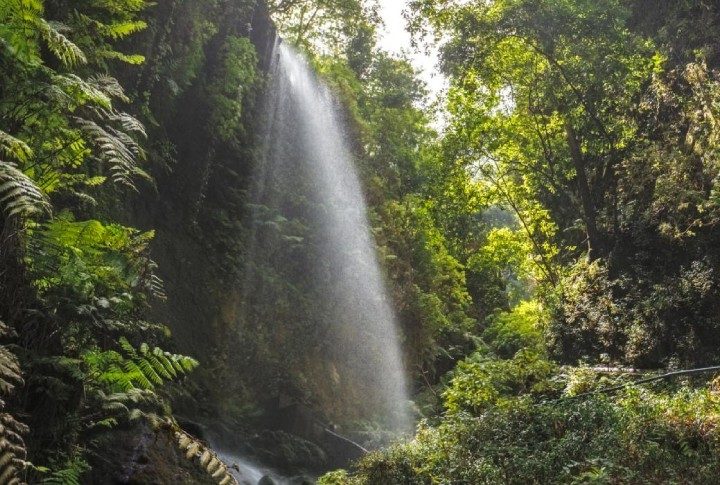
In addition, the trade winds bring moisture with them. When they reach the north, they create cloud cover—the well-known “sea of clouds”—and a greener landscape. The south, by contrast, is sheltered from these winds and enjoys a drier, sunnier climate.
Altitude adds yet another layer of contrast: in just over an hour, you can go from summery coastal temperatures to a high-mountain environment.
Tenerife’s microclimates in practical terms
While the idea of microclimates may sound technical, in Tenerife it quickly becomes clear through everyday experience. The island works like a climatic mosaic, with each area offering different conditions.
The south coast
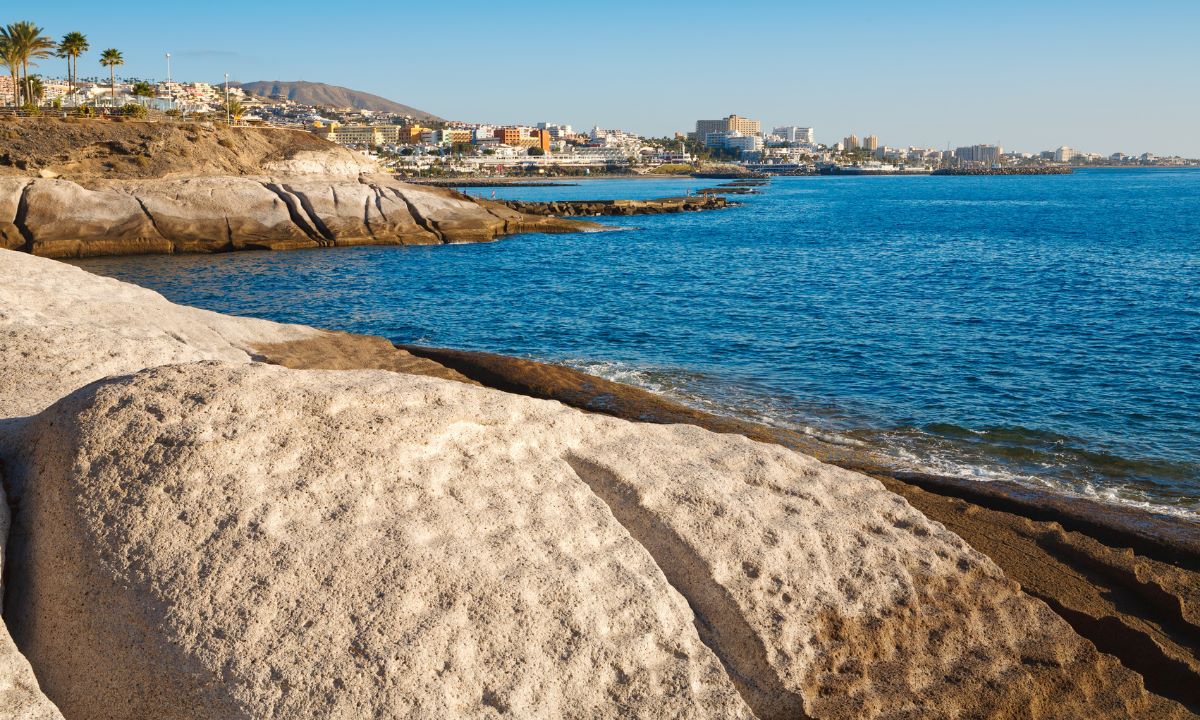
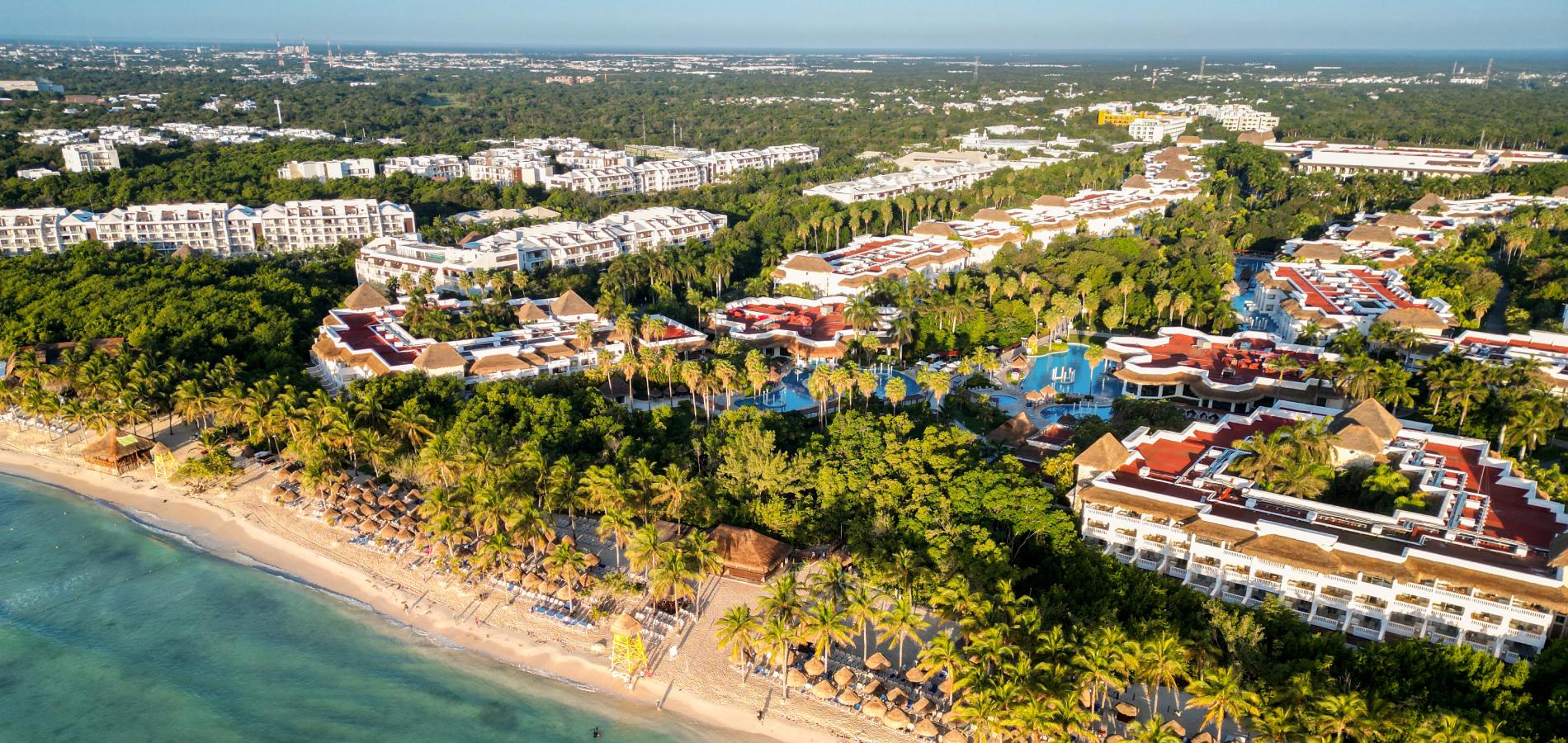
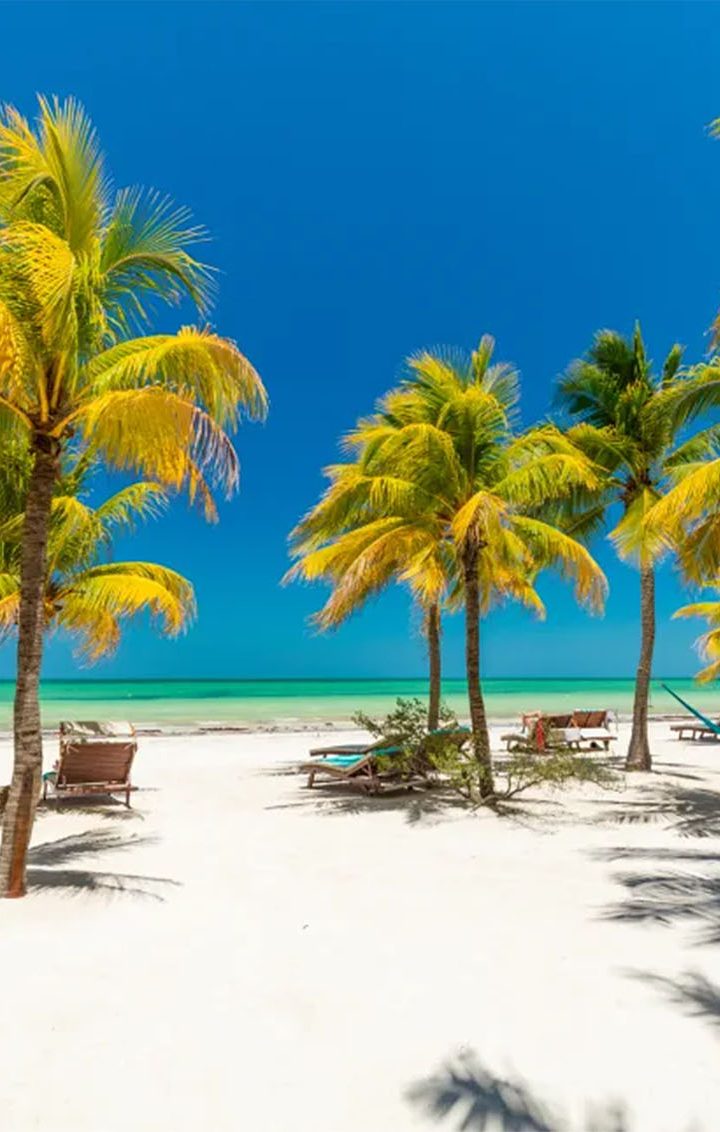
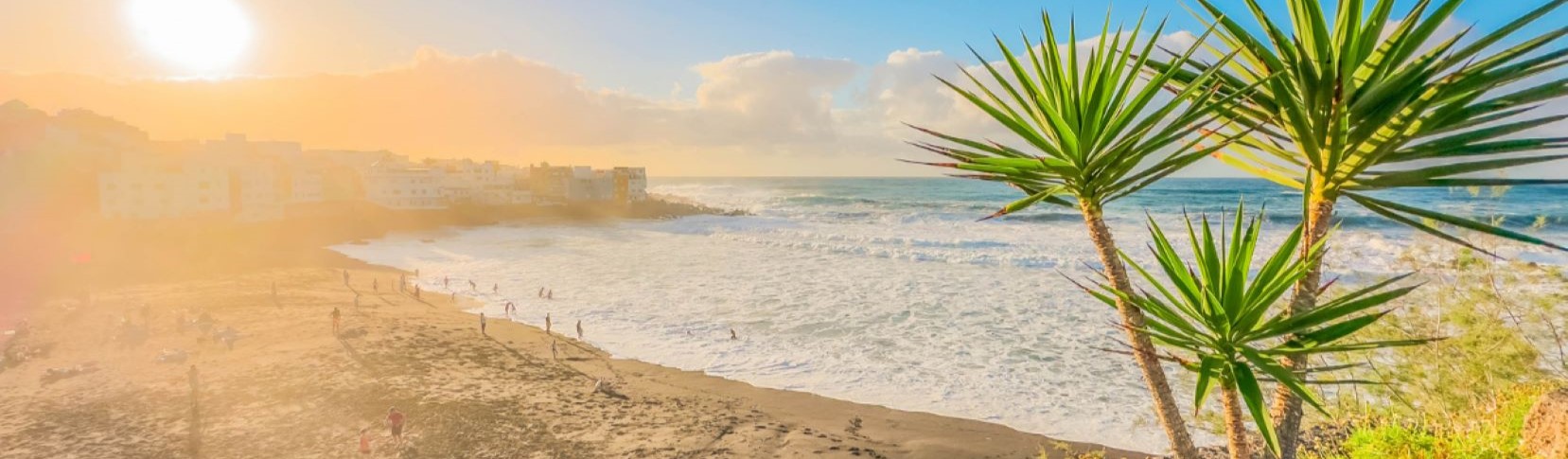
On the south coast, particularly in areas such as Costa Adeje or Los Cristianos, the climate is predominantly dry, sunny and very stable. Rain is rare, and temperatures remain pleasant throughout the year. For this reason, checking the weather in southern Tenerife is usually the safest bet if you’re looking for reliable sunshine.
The north coast
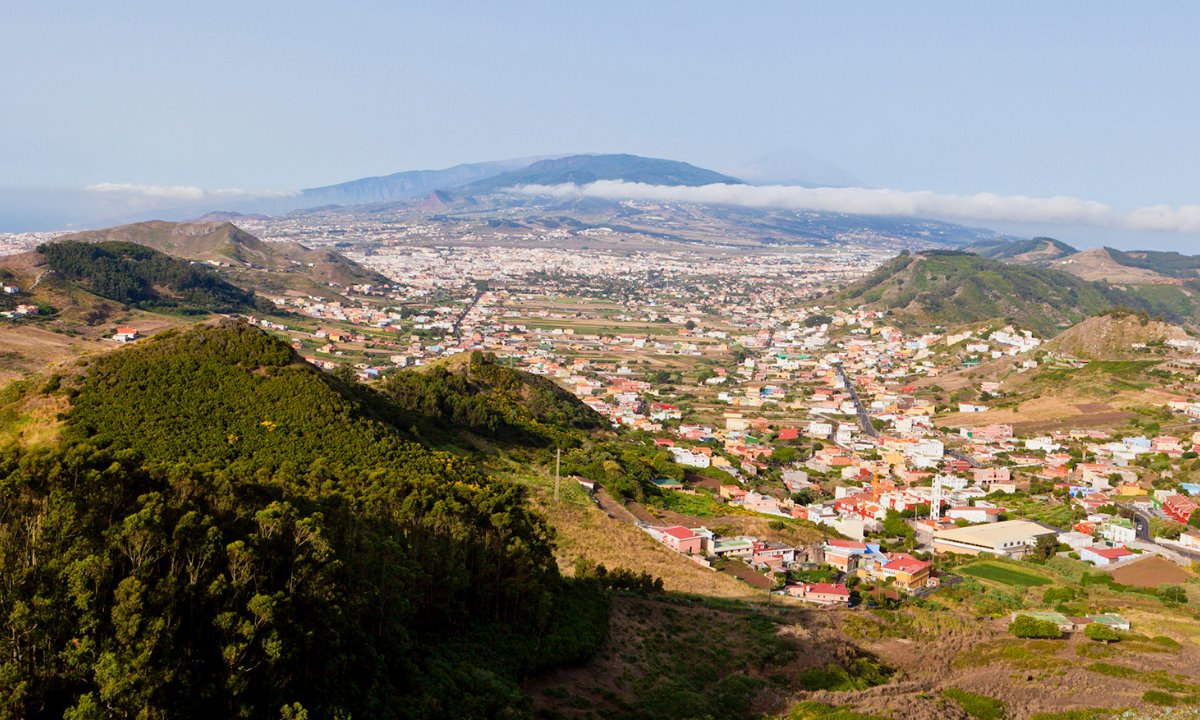
The north coast, on the other hand, tends to be more humid. Places such as Santa Cruz de Tenerife or Puerto de la Cruz often experience more cloud cover due to the trade winds. Similarly, the weather in San Cristóbal de La Laguna is typically more changeable, with cloudy mornings that often clear as the day goes on.
The inland areas
In inland areas—between the coast and the high mountains—the weather is more variable. Sudden changes in temperature and cloud cover are common, making these areas particularly interesting for observing how microclimates shift over the course of a day.
Teide National Park
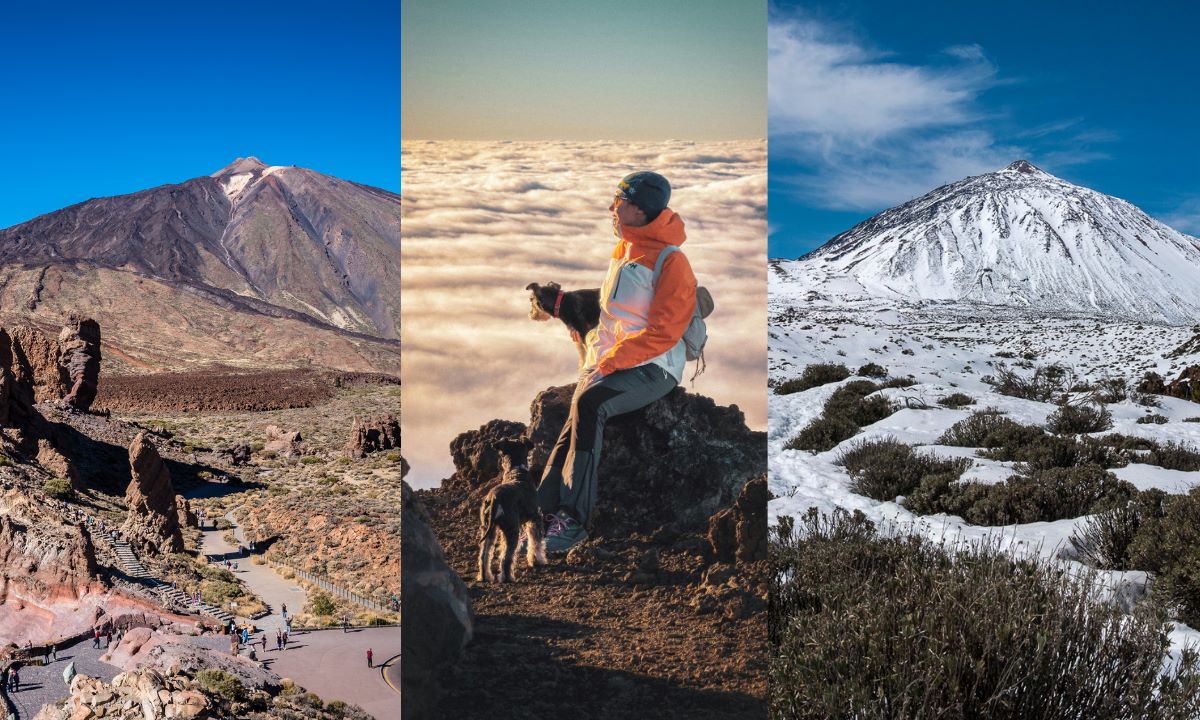
Teide National Park has an entirely different climate. Temperatures are lower, solar radiation is intense, and conditions can change quickly. Snow is not unusual in winter, while in summer, although days can be hot, nights are often cool.
This diversity means that in a single day, you can experience several different climates—something quite unique for such a small island.
North and south: two sides of the same island
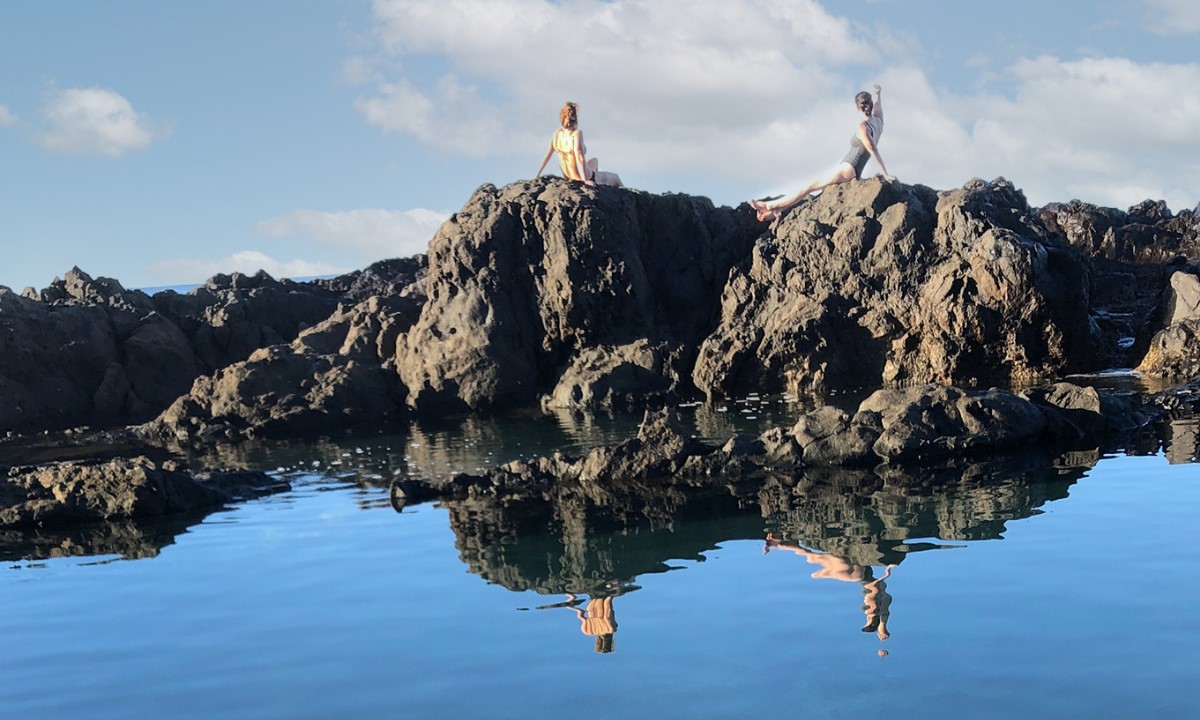
The south of the island is known for its stable climate: very little rain, plenty of sunshine, and mild, consistent temperatures all year round. This is why it attracts a large number of tourists, particularly to areas such as Costa Adeje and Los Cristianos. It’s the safest choice if you’re after beaches and reliable good weather. In this part of the island, you’ll also find hotels like the Guayarmina Princess and Princess Inspire Tenerife, both ideal for making the most of the sun at almost any time of year.
By contrast, the north is greener and more humid. The weather in northern Tenerife is generally more changeable, with increased cloud cover and rainfall during the winter months, creating a more lush and natural landscape.
The climate throughout the year
Although Tenerife doesn’t have seasons as clearly defined as those on mainland Spain, there are still noticeable variations throughout the year.
In spring (March to May), temperatures are mild, typically ranging between 18 and 24°C. It’s one of the best times to visit, with balanced weather, fewer tourists, and landscapes at their best, particularly in the north.
Summer (June to September) is warmer, especially in the south, where temperatures can occasionally exceed 30°C. This is also the period when calima, a distinctive Canary Islands phenomenon, is more likely to occur.
Calima: the phenomenon that can change your experience
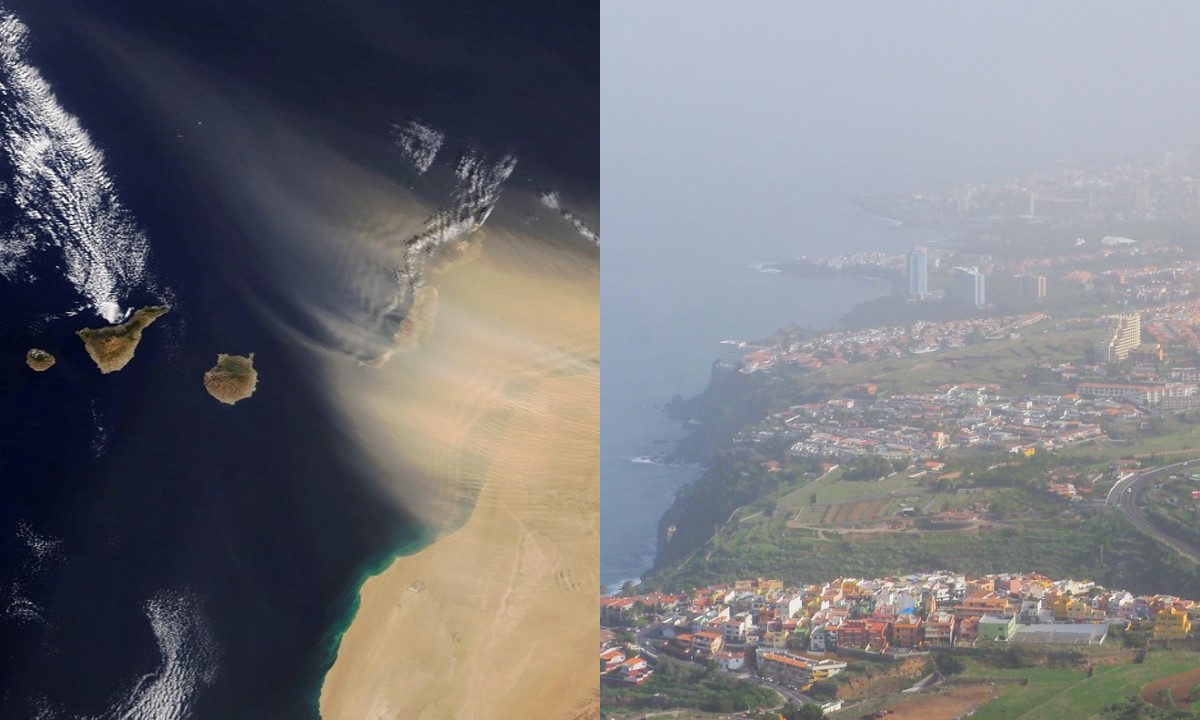
Photo Credit: imagen 1 Lasexta.com, imagen 2 Danews.eu
Calima occurs when warm air from the Sahara carries fine dust across to the islands. When it happens, the sky becomes hazy, visibility is reduced, and temperatures rise noticeably.
It is more common in summer, although it can occur at any time of year. During these episodes, the heat intensifies, particularly in the south and at lower altitudes, and the air becomes much drier.
For travellers, calima can affect both air quality and visibility. It’s advisable to stay well hydrated, avoid physical exertion during the middle of the day, and check conditions in advance when planning outdoor activities.
The rest of the year: autumn and winter
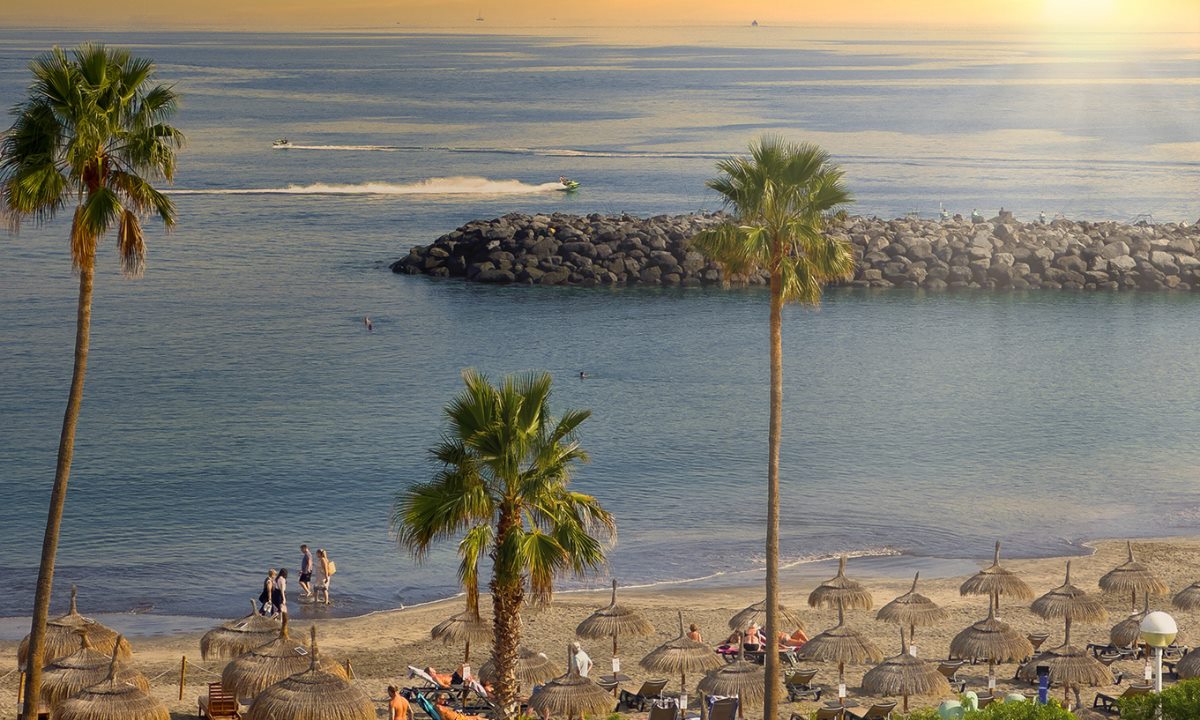
Autumn, particularly October and November, is a very appealing time to visit. The sea retains the warmth of summer, temperatures remain pleasant, and there are fewer tourists. While some rainfall begins in the north, the overall climate is still favourable.
Winter (December to February) is mild along the coast, with temperatures rarely dropping below 17°C. It’s an ideal escape from colder European climates. In higher areas such as Mount Teide, snowfall is even possible, creating the unique contrast of snow-capped landscapes alongside beach weather on the same day.
What to pack: the importance of adapting
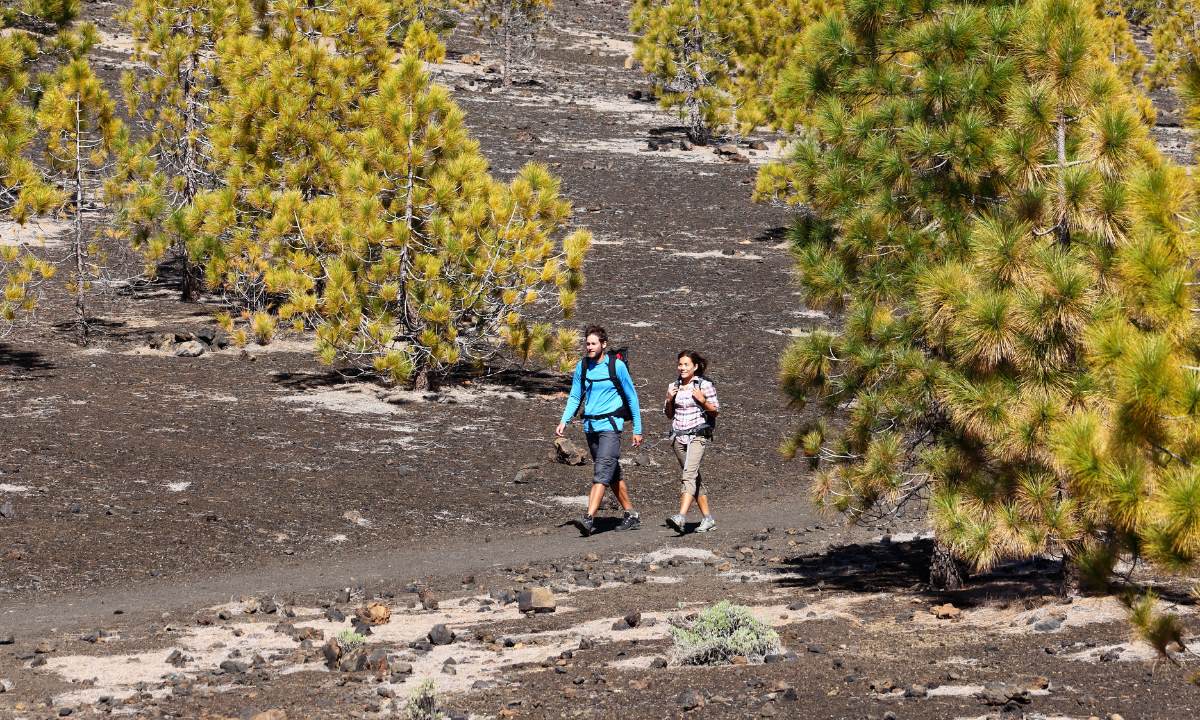
One of the most common mistakes when travelling to Tenerife is assuming that summer clothing alone will suffice. The best approach is to dress in layers and pack:
- Light clothing for daytime, particularly on the southern coast (T-shirts, shorts, swimwear)
- Sun protection, sunglasses, and a hat
- A light jacket or sweatshirt for cooler evenings
- Warm clothing if you plan to visit Teide or higher-altitude areas, even in summer
- Comfortable footwear, especially for excursions or outdoor activities
Practical tips for understanding the island’s climate

To make the most of your trip, it’s worth bearing in mind a few points that aren’t always mentioned in general guides:
- Check the weather forecast by area, as conditions vary across the island
- Use reliable sources such as AEMET or other local weather services
- Be aware that cloud cover in the north often forms in the morning and clears later in the day
- Take the wind into account, as it can significantly affect how temperatures feel
- Remember that altitude has a major influence on the climate
When to travel according to your interests
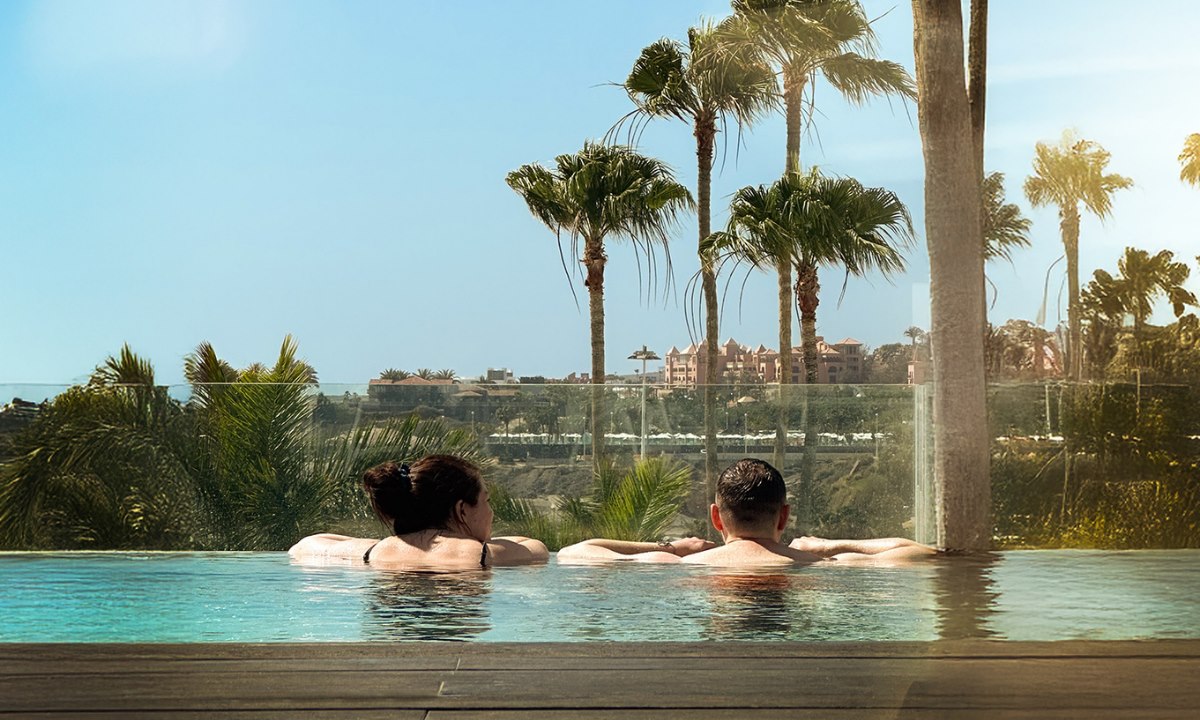
There’s no single “best” time to visit Tenerife. It all depends on what you’re looking for.
If your priority is sunshine and beaches, the south is a reliable choice all year round. For greener landscapes and milder temperatures, spring and autumn in the north are particularly recommended. If you’d like to avoid crowds without compromising on good weather, May, June, and October offer an excellent balance.
Winter, meanwhile, provides a unique experience, combining beach and mountain in one trip and perfectly capturing the island’s climatic diversity.
Beyond the cliché
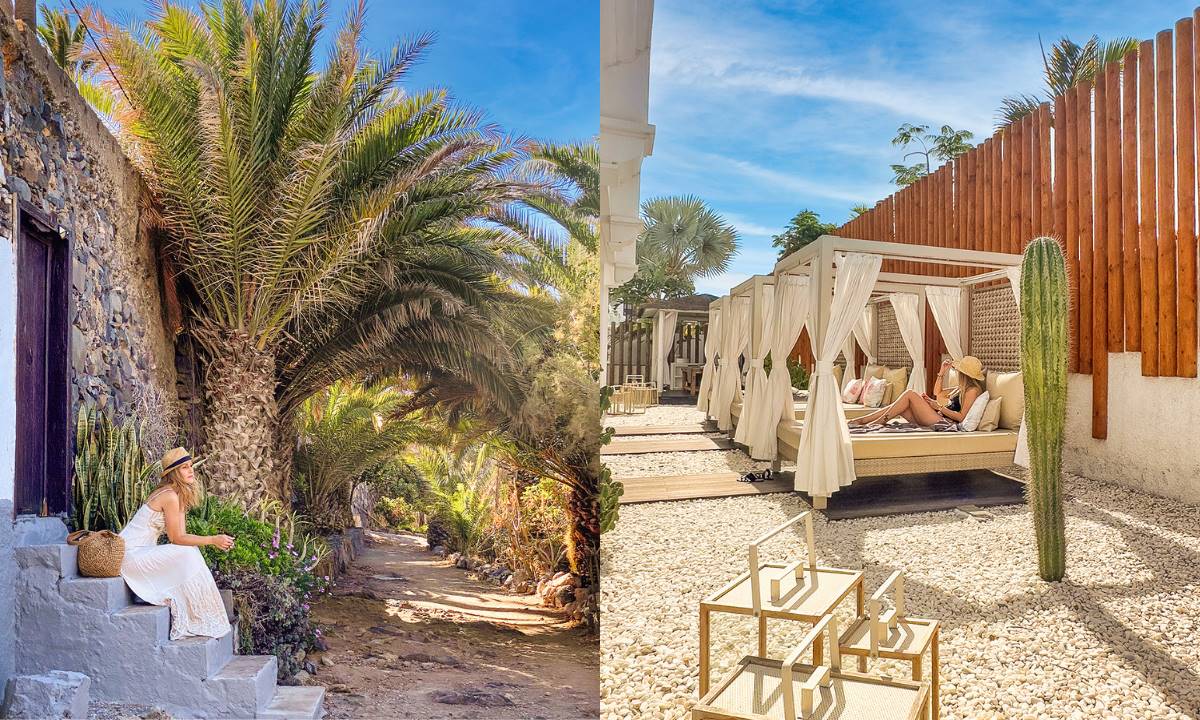
The idea of an “eternal spring” isn’t wrong, but it doesn’t tell the whole story. Tenerife stands out not only for its mild climate, but for its remarkable diversity. Its microclimates, together with phenomena such as calima, mean that every visit can feel different.
Understanding these nuances helps with planning and allows you to tailor your experience. Choosing the right area, such as staying in the sunny south in hotels like the Guayarmina Princess or Princess Inspire Tenerife, can make the difference between a good holiday and a truly memorable one.
Categories: Canaries, Travel Tips, Tenerife


Leave a Comment