
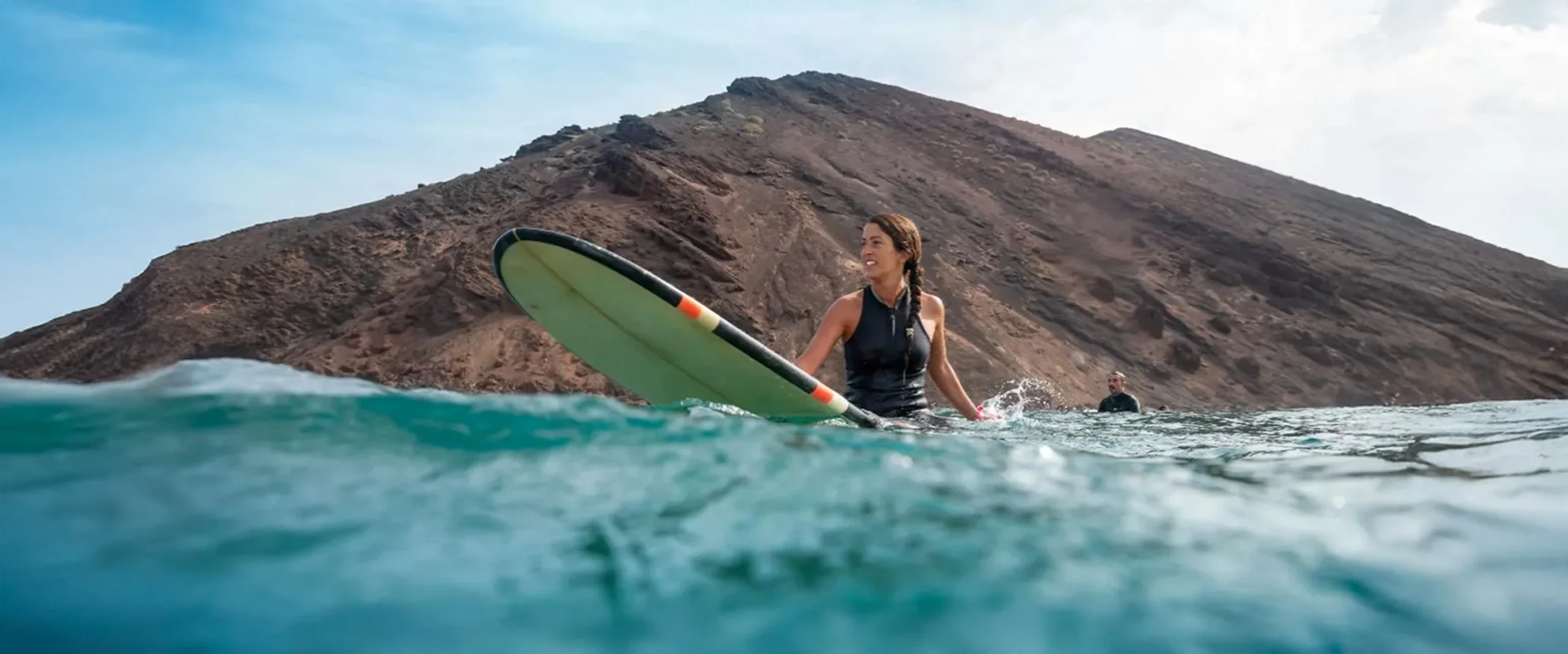
Fuerteventura is, without question, the go-to Canary Island for surfing. With more than 360 kilometres of coastline, a privileged position facing the Atlantic and 48 protected spots, the island offers conditions for every level all year round. If you’re thinking about surfing in Fuerteventura, this guide will help you choose the best time to go, the right spot and what you need to know before you paddle out.
When is the best time to go surfing in Fuerteventura?
The answer depends, above all, on your level. Fuerteventura is surfable in any month, but conditions change with the season, the spot and the direction of the swell. There’s no single ‘best time’: there’s the best time for you.
Surfing in Fuerteventura from October to April: Atlantic swell season
Between October and April, the North Atlantic sends powerful swells that regularly sweep across Fuerteventura’s coastline. This is the season experienced surfers prefer: the waves gain consistency, size and shape. The island’s most demanding spots, such as El Hierro and the Derecha de Lobos, are at their best during these months.
The northerly trade winds and the north-west to north swell direction particularly favour the north and west coasts of the island. Conditions can be technical and powerful, so this isn’t the ideal season for those still learning. If you’re not used to bigger waves, the sensible thing is to look for more sheltered spots or wait for calmer windows.
Can you surf in Fuerteventura in summer?
Yes, although with some important caveats. From June to September, the swell drops in size and frequency, and the waves tend to be smaller and more manageable. This makes summer an ideal time to learn to surf, improve your technique or enjoy more relaxed sessions without the pressure of the winter swells.
Spots such as the Grandes Playas de Corralejo, El Cotillo and La Pared offer more accessible conditions at this time of year. Surf schools have greater availability and the beaches have a livelier atmosphere. For advanced surfers, summer may fall short, except on the odd day when an Atlantic front comes through or at more exposed spots.
Where can you go surfing in Fuerteventura?
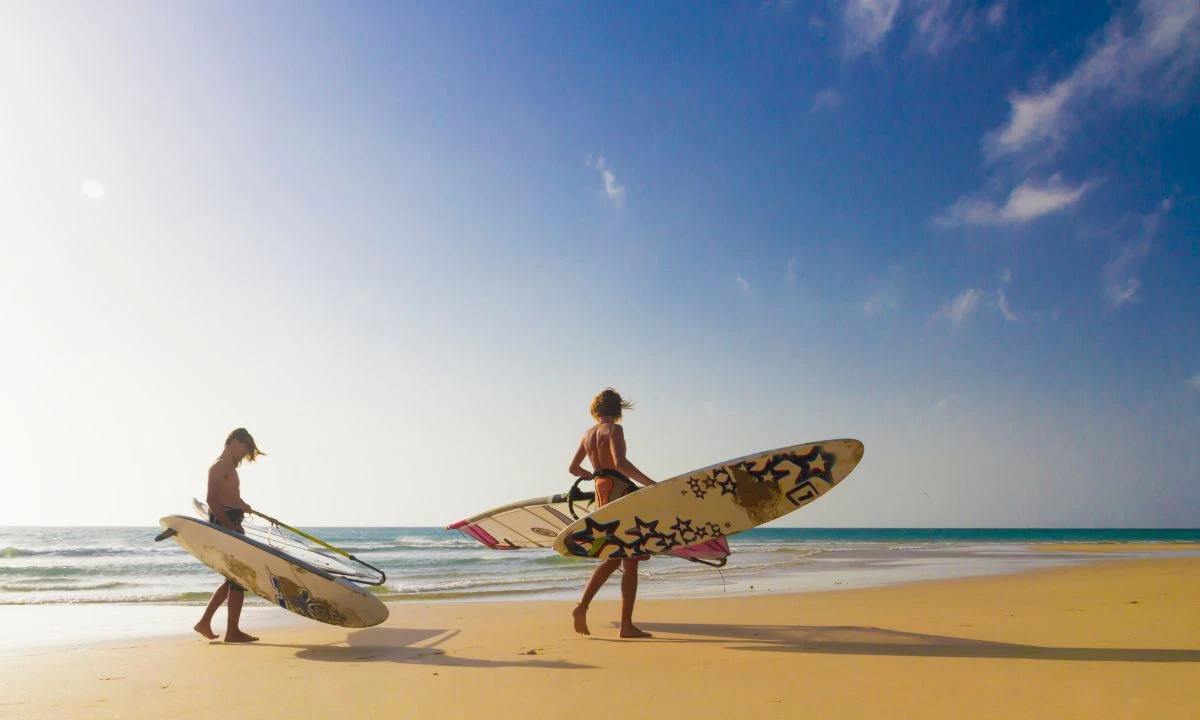
The island has a network of spots covering every level and preference. If you’d first like an overview of the best beaches in Fuerteventura, this article gives you the bigger picture.
Corralejo and the north of Fuerteventura
Corralejo is the island’s surfing hub. Its beaches, known as the Grandes Playas or Corralejo Natural Park, form a vast stretch of sand backed by dunes that picks up the swell and turns it into accessible waves for a range of surfers.
Some of the best-known spots in this area include:
- Playa del Moro and Playa Entubadera: perfect for beginners, with a sandy bottom and gentle whitewater waves that make learning easier.
- Playa del Burro: suitable for advanced beginners and intermediates who have already mastered the pop-up and are looking for waves with a little more length.
- Rocky Point / Punta Elena: a spot with a dual character. The inside of the bay offers small waves that are ideal for beginners, while the outer coral reef produces more powerful, demanding waves for intermediate and advanced surfers.
- Punta Blanca: a quiet spot slightly away from the crowds, located between Majanicho and El Tostón Lighthouse. Highly recommended for improving your level if you already have some experience.
El Hierro and Majanicho
A few kilometres from Corralejo, in the Majanicho area, you’ll find Cala del Hierro, popularly known as ‘Popcorn Beach’ because of the rhodoliths that cover its shore instead of sand. El Hierro is one of Fuerteventura’s most famous spots thanks to the consistency and quality of its breaks, but it isn’t suitable for beginners: the rocky bottom and the power of the waves require at least a solid intermediate level. Nearby is the Derecha de los Alemanes, a classic wave for experienced surfers looking for more technical rides.
Lobos: the longest wave in the Canary Islands
Off the coast of Corralejo, on Lobos Island, lies the Derecha de Lobos: one of the longest waves in the Canary Islands, with three well-defined sections that can add up to rides of more than a kilometre. Getting there involves a short boat trip from Corralejo harbour. This spot is reserved for advanced surfers in search of barrels and long rides. Turning up without previous reef experience can be dangerous.
La Pared and Playa del Viejo Rey
In the south-west of the island, at Fuerteventura’s narrowest point, you’ll find La Pared and Playa del Viejo Rey. It’s one of the island’s most versatile spots: at low tide, the waves are more accessible for beginners; from mid-tide onwards, the long green waves that intermediate and advanced surfers are after start to appear. La Pared has a strong surfing tradition and well-established schools, and its setting – with cliffs and spectacular sunsets – makes it one of the most photogenic spots on the island.
El Cotillo and the north-west coast
In the north-west of the island, El Cotillo – Piedra Playa, to be precise – is one of the best spots to learn to surf in Fuerteventura. Its gentle, consistent waves over a sandy bottom and its well-established schools make it ideal for those taking their first steps. In summer, it’s the go-to spot for beginners in the north.
Other surf spots in Fuerteventura
The list of spots in Fuerteventura is a long one. Other places worth knowing include:
- Esquinzo and Jandía (south): small, clean waves in summer with offshore winds; more demanding in winter.
- Playa Garcey: on the south-west coast, popular with surf schools and close to the remains of the American Star.
- Cofete and Punta de Jandía: meeting points for advanced surfers looking to get away from the busier spots.
The best beaches in Fuerteventura for surfing, by level
Choosing the right spot for your level is key, both to progress and to surf safely. Here’s a rough guide:
Beginners:
- Grandes Playas de Corralejo (Playa del Moro, Playa Entubadera)
- El Cotillo (Piedra Playa)
- La Pared (at low tide)
- Rocky Point (inside)
Intermediate:
- Punta Blanca
- Playa del Burro (Corralejo)
- Rocky Point (outside)
- La Pared (mid to high tide)
Advanced:
- El Hierro / Cala del Hierro
- Derecha de Lobos (Lobos Island)
- Majanicho
- Cofete, Esquinzo, Punta de Jandía
No classification is set in stone: conditions change with each day’s tide, wind and swell. Before you paddle out, spend a few minutes watching the waves from the shore and, if in doubt, check with a local school.
Surfing in the north or the south of Fuerteventura: which area should you choose?
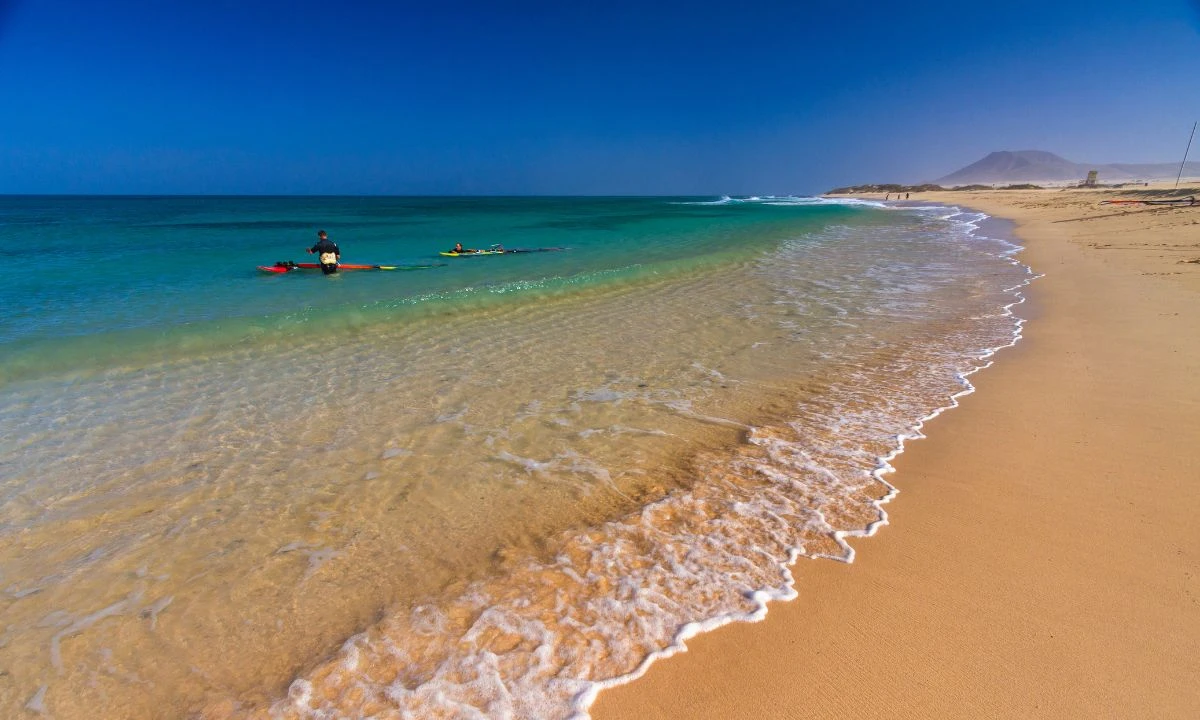
The island is split into two areas, each with its own character for surfing:
Surfing in the north of Fuerteventura
The north, with Corralejo as its base, has the island’s largest concentration of surf infrastructure: schools, surf camps, surf shops and a wide range of accommodation, restaurants and bars. The spots are varied and accessible, making it the best option for beginners and travellers who want to combine surfing with village life. The atmosphere is livelier, and there are plenty of options for every level.
Surfing in the south of Fuerteventura
The south, with La Pared as its main reference point, offers a quieter, less crowded setting. It’s a good choice for surfers who prefer to get away from the hustle and bustle. In winter, the southern spots can come alive with south-westerly swells that don’t reach the north with as much force. Jandía, Esquinzo and Garcey are further options in this area for days when the north isn’t working.
What do you need to go surfing in Fuerteventura?
If you’re travelling to Fuerteventura to surf, this is the basic kit to bear in mind:
- Surfboard: suited to your level. Beginners need long boards (a longboard or funboard) that make it easier to keep your balance. Don’t try to learn on a shortboard; it slows down your progress and increases the risk of accidents.
- Wetsuit: in winter, a 3/2 mm suit is the norm. In summer, a shorty or just your swimwear may be enough, depending on the spot and the time of day.
- Leash: essential to avoid losing your board and to stop it shooting off towards other surfers or swimmers.
- Surf booties: highly recommended at spots with a rocky bottom, such as El Hierro or the outside of Rocky Point.
- Sun protection: exposure in the water is intense, even on cloudy days. Use a water-resistant sunscreen and apply it before you get in.
- Surf forecast: check platforms such as Windguru or Surf-forecast before every session. Pay attention to the swell size, the wind direction and the state of the tide.
Where can you find surf schools and surf camps in Fuerteventura?
The highest concentration of surf schools and surf camps is in Corralejo and El Cotillo, in the north, and La Pared, in the south. The schools offer lessons for every level – from complete beginners to advanced coaching – and in most cases the necessary equipment is included.
Surf camps are a popular option for travellers who want to combine learning, accommodation and the surf community. They usually include a room, breakfast, daily lessons and transfers to the spots depending on the day’s conditions. If it’s your first time on the island or you want to progress quickly, it’s one of the most efficient ways to make the most of your trip.
Surfing, kitesurfing and windsurfing: what’s the difference?
Fuerteventura is also a leading destination for kitesurfing and windsurfing, sports that share beaches with surfing but involve entirely different techniques, equipment and aims.
- Surfing: uses only the board and your body to ride waves generated by ocean swell. No wind needed.
- Kitesurfing: practised with a traction kite and a specific board. It requires a steady wind and has a steep learning curve.
- Windsurfing: combines a sail and a board. Fuerteventura – particularly the Sotavento area – hosts the Windsurfing and Kitesurfing World Championship.
It’s important not to mix up the spots: many windy beaches, such as Sotavento, are ideal for kitesurfing or windsurfing, but not necessarily for wave surfing. If surfing is your goal, prioritise spots that pick up ocean swell, not wind.
Tips for surfing in Fuerteventura
A few practical tips before you get in the water:
- Respect the pecking order at the peak. Whoever is closest to the peak or has been waiting longest for a wave has priority. ‘Dropping in’ – taking a wave that someone else is already riding – is a serious breach of surf etiquette.
- Watch before you paddle out. Spend a few minutes on the shore studying how the waves break, where the peak is and how other surfers get into the water.
- Don’t surf spots beyond your level. Coral reef or volcanic lava bottoms can cause serious cuts. If you have no experience on rocky bottoms, always start on sandy beaches.
- Understand rip currents. On big swell days, some beaches produce powerful rip currents. If you get caught in one, don’t swim against it: swim parallel to the shore until you’re out of the current, then head back to the beach.
- Look after the environment. Respect protected natural areas, don’t leave any litter and follow the instructions of the lifeguards and beach signage.
Discover Fuerteventura during your stay
Surfing isn’t everything in Fuerteventura – although it very nearly could be. Between sessions in the water, the island offers landscapes well worth your time: the dunes of Corralejo Natural Park, the cliffs of Cofete, the quiet villages of the interior and the local cuisine in La Oliva or Corralejo. It’s a destination with far more to offer than just the water.
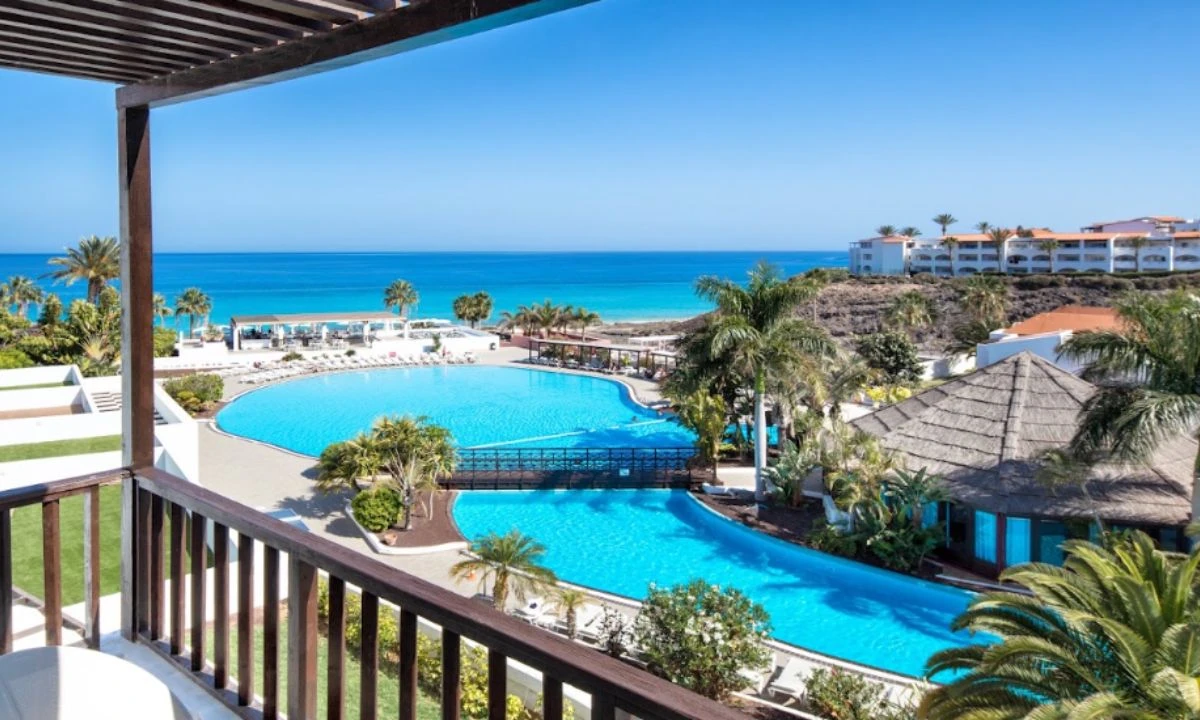
If you’re looking for a comfortable base to combine your surfing days with some rest, the Princess hotels in Fuerteventura are right on the beachfront and offer all-inclusive stays, so the only thing you need to think about is the next peak. The Fuerteventura Princess, the Esencia de Fuerteventura by Princess and the Club Jandía Princess are three options, each with its own character, to suit different types of traveller.
Discover the Princess hotels in Fuerteventura and combine your surfing days with a stay by the Atlantic.
Frequently asked questions about surfing in Fuerteventura
When is the best time to surf in Fuerteventura?
It depends on your level. For experienced surfers, the October to April season brings the most consistent Atlantic swells. For beginners, summer is more suitable: smaller, more manageable waves and more schools available.
What is the best month to surf in Fuerteventura?
November to March brings the best swells for advanced surfers. If you’re looking to combine good weather with quality waves, October and April are very appealing transition months for intermediate surfers.
Can you surf in Fuerteventura in summer?
Yes. Although the swell is smaller, spots such as the Grandes Playas de Corralejo, El Cotillo and La Pared offer suitable conditions for beginners and intermediates. Surf schools are in full swing during these months.
Where should I surf in Fuerteventura as a beginner?
The best options are the Grandes Playas de Corralejo (Playa del Moro, Playa Entubadera), El Cotillo (Piedra Playa) and La Pared at low tide. You’ll find schools with certified instructors at all of these spots.
Where can you surf in Corralejo?
On the Grandes Playas in Corralejo Natural Park. Playa del Moro and Entubadera are ideal for beginners; the outside of Rocky Point and Playa del Burro suit intermediate and advanced surfers.
Is Fuerteventura good for beginners?
Yes, it’s one of the best destinations in Europe to learn to surf. One word of caution, though: avoid spots with a rocky bottom until you’ve reached a solid intermediate level.
Where can I find a surf camp in Fuerteventura?
Corralejo and El Cotillo have the widest choice of surf camps. They include accommodation, lessons and transfers to the best spots depending on the day’s conditions.
What’s the difference between surfing and kitesurfing?
Surfing uses waves generated by ocean swell, while kitesurfing uses a traction kite and needs a steady wind. They’re different sports, with different spots, equipment and learning curves.