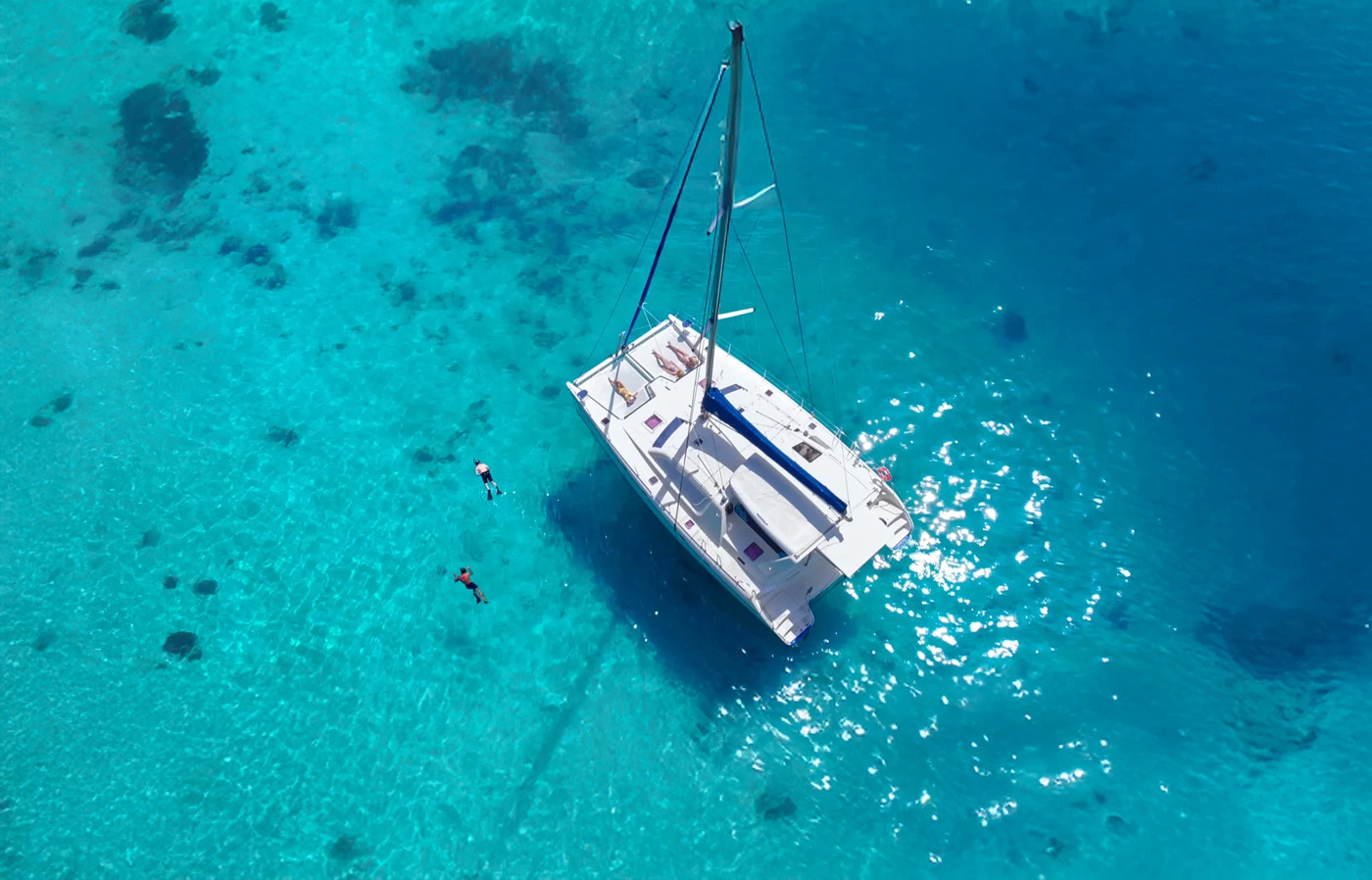
If you’re staying in the south of Tenerife, there’s a good chance you’ve looked out across the water and spotted the silhouette of another island on the horizon. That island is La Gomera — and it’s closer than it looks. A day trip to La Gomera from Tenerife is perfectly doable, and well worth the effort: it’s one of the most striking landscapes in the entire Canary Islands archipelago, just 50 minutes away by ferry from Los Cristianos.
Can You Visit La Gomera from Tenerife in a Day?
The short answer is yes — with a few caveats. The ferry connection between Los Cristianos and San Sebastián de La Gomera is fast, there are several departures throughout the day, and you can be back in Tenerife by the evening. That gives you between six and eight hours on the island, which is enough to take in its most representative sights.
That said, La Gomera is far from flat. Its terrain is among the most complex in the Canaries: deep ravines, winding roads and scattered settlements mean that getting around takes longer than you might expect. Trying to cover the whole island in a day would only be frustrating. The sensible approach — and the one that actually works — is to plan a realistic route with a well-chosen selection of stops.
In this article, we cover how to get there, what to see in La Gomera in a day, and what to eat during your visit — so you arrive on the island with a clear plan and leave wanting to come back for more.
How to Get to La Gomera from Tenerife
Ferry from Los Cristianos to San Sebastián de La Gomera
Your starting point is the port of Los Cristianos, in the south of Tenerife. Several ferry companies operate from here to San Sebastián de La Gomera, the island’s capital. There are multiple daily departures at various times, giving you the flexibility to plan your day around when you want to arrive and when you’d prefer to return.
The crossing takes around 50 minutes. It’s a comfortable journey with good onboard facilities, and the arrival at San Sebastián port is already a promising start — the island’s silhouette, seen from the sea, is full of character.
The main companies operating this route are Baleária Canarias and Fred Olsen Express. Check their websites for up-to-date timetables and availability, as schedules vary depending on the season and day of the week. Booking in advance is strongly recommended, particularly during the high season.
How Much Does the Ferry to La Gomera Cost?
Fares vary depending on the ferry company, the time of year, and the type of ticket. As a rough guide, a one-way standard passenger ticket tends to be around €40–50, depending on the season. For a day trip, you’ll need a return ticket, so check the available options when booking. Some ferry comparison websites allow you to see live prices from several companies at once.
We haven’t listed exact prices in this article, as they change frequently. Check directly on the official ferry company websites for the exact fare on the day you plan to travel.
Is It Better to Visit La Gomera Independently or on an Organised Tour?
Both options make sense depending on what you’re looking for.
Going independently gives you complete freedom to set your own pace, stop wherever you like, and explore without a fixed schedule. You’ll need to hire a car at the port or rely on the island’s public transport network, which exists but doesn’t cover every corner as frequently as you might hope.
Booking an organised tour is a very practical option if you want to make the most of your time without worrying about driving on unfamiliar mountain roads. Tours typically include a guide, transport on the island, and in some cases the ferry itself. The downside is that you’re travelling in a group and the itinerary is set.
For most first-time visitors, the organised option tends to work better. If you already know the island or prefer to have full autonomy, going independently has its appeal.
What to See in La Gomera in a Day
With the time available on a day trip, we recommend focusing your itinerary on these highlights:
San Sebastián de La Gomera
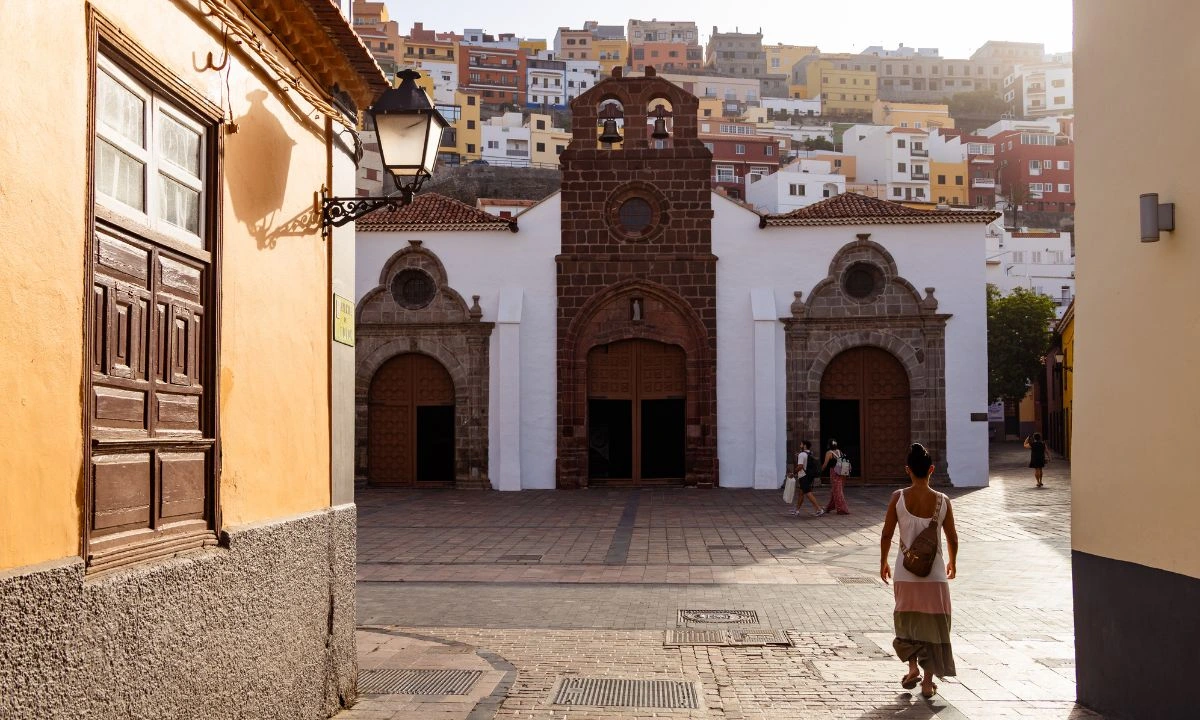
The island’s capital is your point of arrival — and a place with a great deal of history. San Sebastián has a direct connection to Christopher Columbus: it was the last port of call before his departure towards the Americas in 1492, and several of its historic landmarks recall that moment.
The most notable sites in the town include:
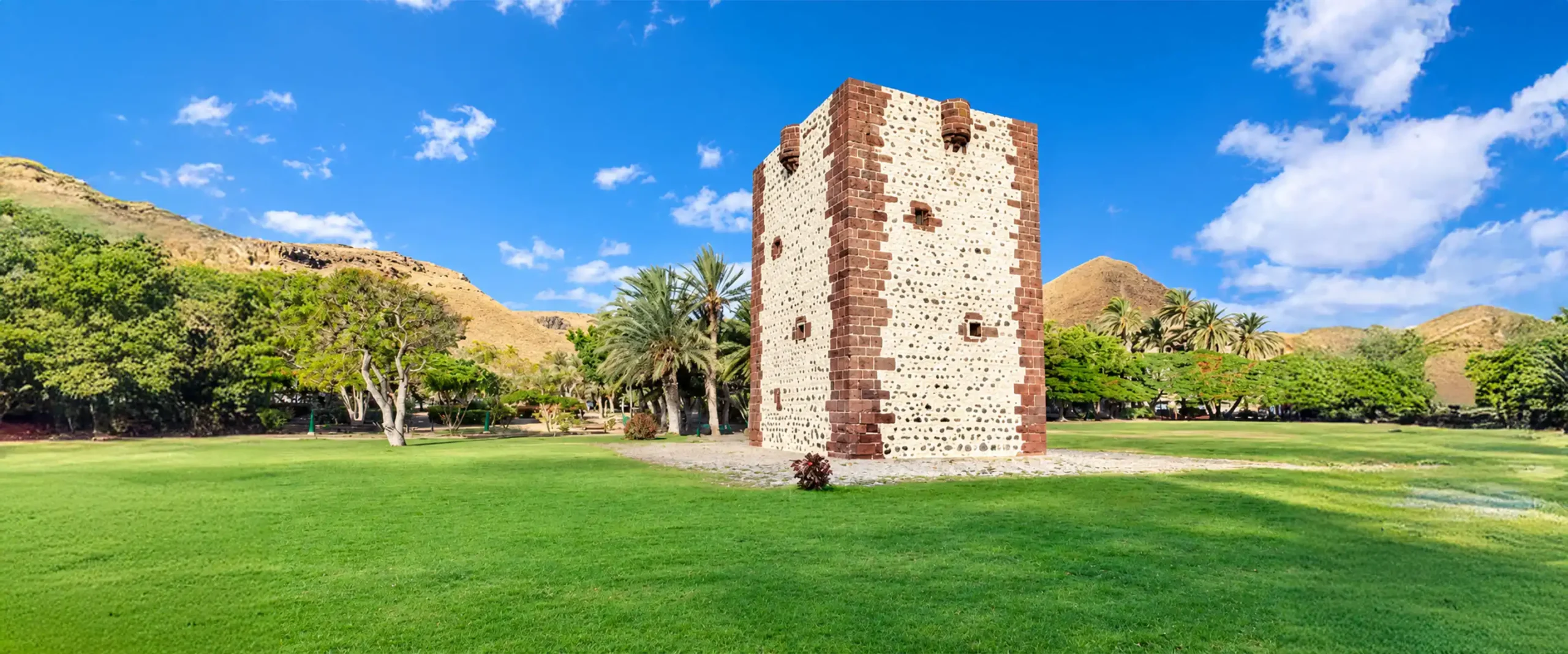
- Torre del Conde: a 15th-century fortress and one of the oldest civil monuments in the Canary Islands.
- The Iglesia de la Asunción: where, according to tradition, Christopher Columbus prayed before setting sail.
- The old town: with its quiet streets and a central square where you can enjoy a coffee before heading inland.
Allow between one hour and ninety minutes to explore San Sebastián at a relaxed pace — either on arrival or before catching the return ferry.
Garajonay National Park
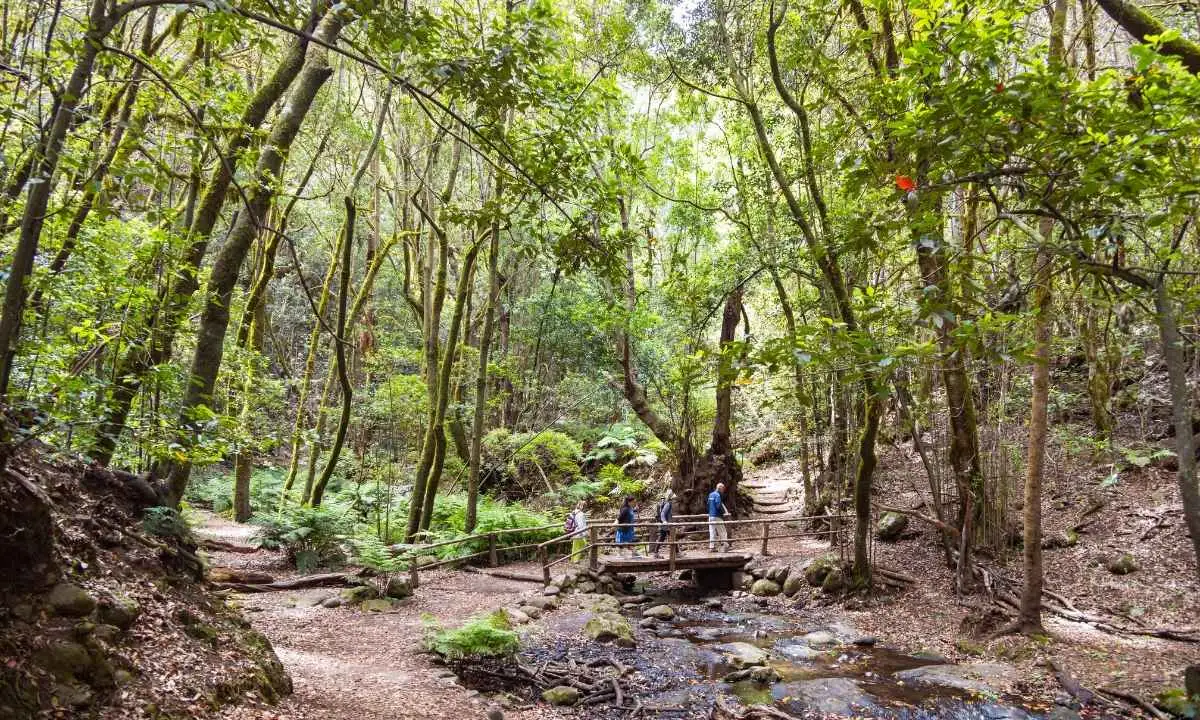
Garajonay is the heart of La Gomera — and probably the most remarkable thing you’ll encounter on the island. Designated a UNESCO World Heritage Site in 1986, this national park is home to one of the best-preserved laurisilva forests in the world: a type of subtropical vegetation that once covered much of Europe and North Africa millions of years ago.
As you enter the forest, the temperature drops, the light shifts and the atmosphere becomes almost prehistoric: moss-covered trees, giant ferns and a constant humidity that sustains all that lush green. The altitude reaches over 1,400 metres at certain points.
One of the most popular spots within the park is La Laguna Grande: a clearing surrounded by laurisilva forest, with a rest area and picnic facilities, popular with families and walkers alike. It’s a good place to stop, stretch your legs and have something to eat.
Bear in mind that temperatures inside Garajonay are noticeably cooler than on the coast. Bring a layer even if you left Tenerife in short sleeves.
Roque de Agando
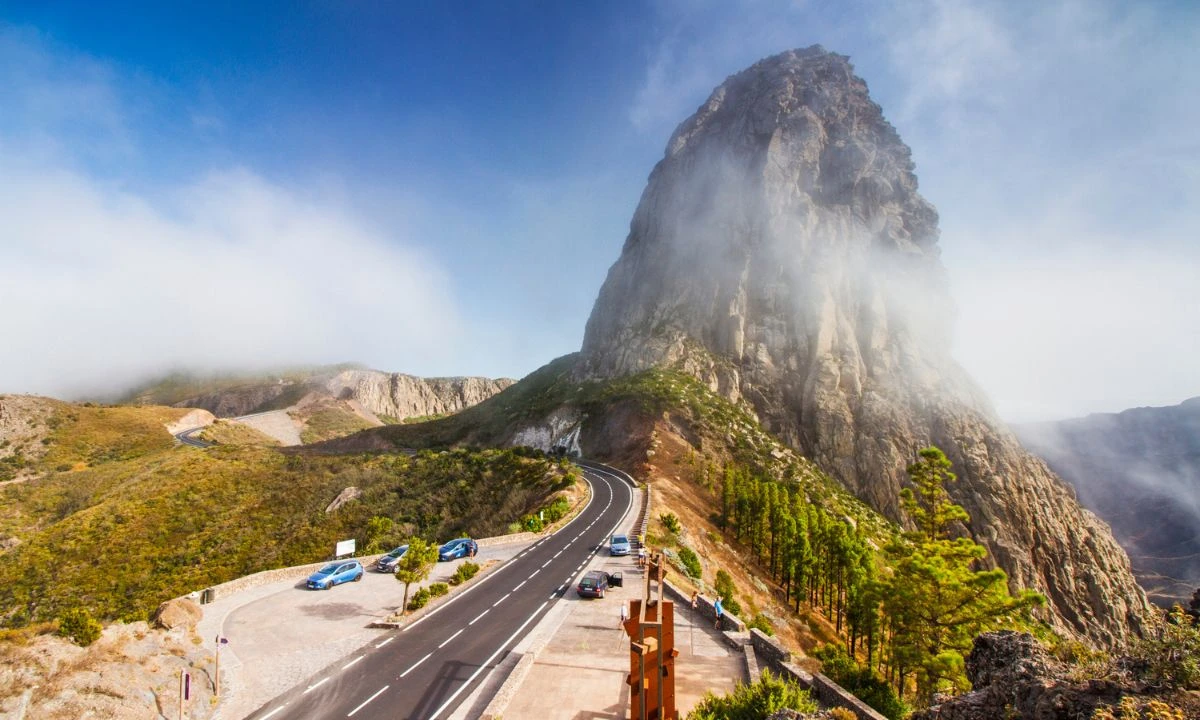
One of La Gomera’s most distinctive landmarks. This basalt volcanic plug rises to around 1,250 metres above sea level and has an unmistakable silhouette: a column of dark rock rising from the surrounding green landscape. It sits alongside the main road that runs through the centre of the island, making it easy to pull over at one of the designated viewpoints for photographs.
There is no access to the summit for visitors, but the view from the road is already impressive. Whether you’re travelling by hire car or on an organised tour, it’s a stop that takes very little time and is well worth including.
Hermigua and Agulo
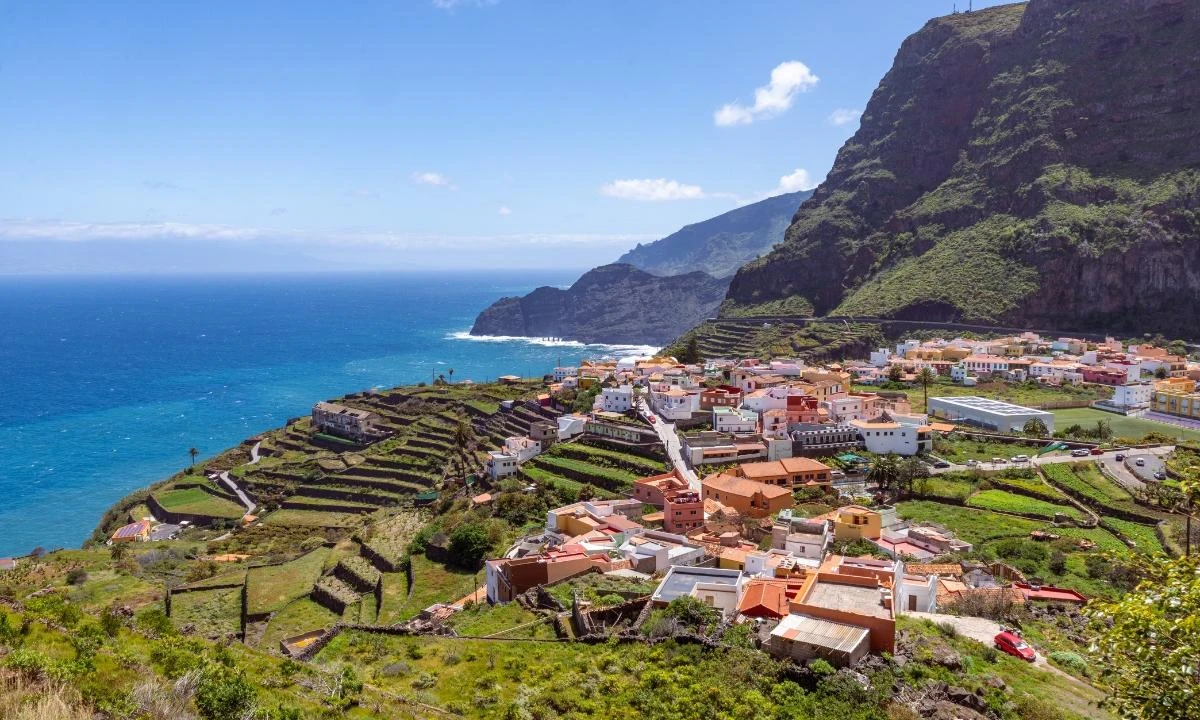 If time allows — or if your organised tour includes the north of the island — Hermigua and Agulo are two of La Gomera’s most picturesque villages.
Hermigua is a fertile valley dotted with banana plantations, market gardens and traditional houses that slope down towards the sea. It has a genuinely rural character and well-preserved Canarian architecture.
Agulo stands out for its position: perched on a headland with views over the Atlantic, and on clear days Mount Teide is visible from here. It’s one of the most beautiful villages in the Canary Islands and worth a brief stop at the very least.
The downside is that reaching the north from San Sebastián via the mountain roads takes longer than you’d expect. If you’re going independently and want to include these villages, plan your timings carefully so you don’t miss the ferry back.
Viewpoints
La Gomera has a network of viewpoints that offer exceptional perspectives over the interior landscape and the coastline. Some of the most worthwhile for a day trip:
- Mirador del Palmarejo, in the north, with views over the Hermigua valley.
- Mirador de Agando, near Roque de Agando, with panoramic views across the centre of the island.
- Degollada de Peraza, in the south, where several ravines and the coastline come into view.
Most are roadside or very easy to reach, making them natural stopping points along the way.
A One-Day Itinerary for La Gomera from Tenerife
This sequence works well for most independent travellers hiring a car:
- Early morning: take the ferry from Los Cristianos. If you catch an early departure, you’ll arrive in San Sebastián before 10:00.
- Mid-morning: stroll around the old town of San Sebastián. Torre del Conde, the Iglesia de la Asunción, breakfast or a coffee in the square.
- Before midday: drive towards the centre of the island. Stop at Roque de Agando.
- Midday: reach Garajonay. Explore the park and walk through La Laguna Grande. Lunch in the area.
- Early afternoon: if time allows, head north to visit Agulo or Hermigua. If you’d prefer a more relaxed pace, make your way back to San Sebastián with stops at the viewpoints.
- Afternoon: return to the port of San Sebastián in time for the ferry back to Tenerife.
This itinerary is realistic. It doesn’t cover the whole island, but it does take in its most representative highlights with enough time to properly enjoy them.
What to Eat in La Gomera During Your Day Trip

Gomeran cuisine has a distinctive character of its own and deserves a proper stop. Some dishes and local products you shouldn’t miss:
- Almogrote: a traditional spread made from cured cheese, tomato and red pepper. Served on bread, it’s the most typical aperitif on the island.
- Watercress stew (potaje de berros): one of the most representative dishes in the Canary Islands, with a particularly deep-rooted tradition in La Gomera.
- Papas arrugadas with mojo: found throughout the Canaries, but here made with locally sourced ingredients.
- Queso gomero: a semi-cured goat’s milk cheese with its own protected designation of origin. Often served fried or smoked.
- Palm honey (miel de palma): a dark, sweet syrup obtained from the sap of the Canarian palm tree. Used in desserts and as an accompaniment.
Inland, restaurants and tascas tend to be small with unpredictable opening hours. If you have a specific place in mind — particularly in the northern or central villages — call ahead to confirm they’re open and have space. It’s a small step that prevents unnecessary surprises.
Tips for Your La Gomera Day Trip from Tenerife
Before you head off, keep these practical details in mind:
- Book the ferry in advance, particularly in summer and around Easter. Ferries fill up quickly during the high season.
- Check the return timetables before leaving Tenerife. The last ferries from San Sebastián back to Los Cristianos are generally in the late afternoon or evening, but always confirm.
- Bring a valid passport or national ID card. La Gomera is a separate island and, even though you’re still in Spain, ferry companies may ask for it at boarding.
- Comfortable footwear and a layer for the interior. If you’re planning to visit Garajonay, you’ll need suitable shoes for uneven paths and a light jacket for the temperature difference.
- Don’t leave planning to the last minute. La Gomera’s terrain means journeys take longer than they appear on a map. It’s far better to have time to spare than to end up rushing back to the port.
- If you’re hiring a car, do so at San Sebastián port. Several car hire options are available right by the ferry exit.
Is a Day Trip to La Gomera Worth It?
Yes — with realistic expectations. A day trip from Tenerife lets you experience the island’s most distinctive landscapes: the Garajonay forest, the volcanic rock formations, the historic capital, and perhaps a village or two in the north. It’s enough to understand why La Gomera captivates everyone who visits.
What it won’t give you is the chance to explore the whole island in depth, discover its hidden coves, or enjoy the unhurried rhythm that comes with a longer stay. If you come back wanting more — that’s not a bad outcome. La Gomera has hotels and accommodation for those who’d like to return for a few days.
If you’re looking for other day trips from the south of Tenerife, Masca is another option with a completely different kind of landscape.
Discover Tenerife and Its Neighbouring Islands with Princess Hotels

Tenerife is one of the best bases for exploring the Canarian archipelago. From the south of the island you can make day trips to La Gomera, enjoy days at the beach, visit Mount Teide, or explore the coastline in different directions. Staying all-inclusive at one of the Princess hotels in Tenerife means the logistics are taken care of, leaving you free to focus on the exploring.
Discover our Princess hotels in Tenerife and start planning your next escape across the Canary Islands.
Frequently Asked Questions About the La Gomera Day Trip from Tenerife
How do you get from Tenerife to La Gomera?
By ferry from the port of Los Cristianos, in the south of Tenerife, to San Sebastián de La Gomera. The crossing takes approximately 50 minutes.
How long does the ferry from Tenerife to La Gomera take?
Around 50 minutes, though this may vary slightly depending on the ferry company and sea conditions on the day.
How much does the ferry from Tenerife to La Gomera cost?
Fares vary by season, ferry company and how far in advance you book. Check the latest prices directly on the Baleária Canarias or Fred Olsen Express websites for the exact fare.
Can you go from Tenerife to La Gomera and back in the same day?
Yes. There are several daily departures in both directions, making it entirely possible to complete the trip in a single day and return to Tenerife by the evening.
What should you see in La Gomera in a day?
San Sebastián de La Gomera, Garajonay National Park, Roque de Agando, and, if time allows, one of the northern villages such as Agulo or Hermigua.
Where does the ferry to La Gomera depart from?
From the port of Los Cristianos, in the municipality of Arona, in the south of Tenerife.
Is it better to visit La Gomera independently or on a tour?
It depends on your travel style. Going independently gives you more freedom, but you’ll need to hire a car or rely on public transport. An organised tour simplifies the logistics and is ideal for first-time visitors to the island.
What should you bring on a day trip to La Gomera?
A passport or national ID card, comfortable walking shoes, a layer for the island’s interior (Garajonay is noticeably cooler), water, and sun protection for the coastal areas.